Top 10 Hypersonic Weapons Programs in 2026
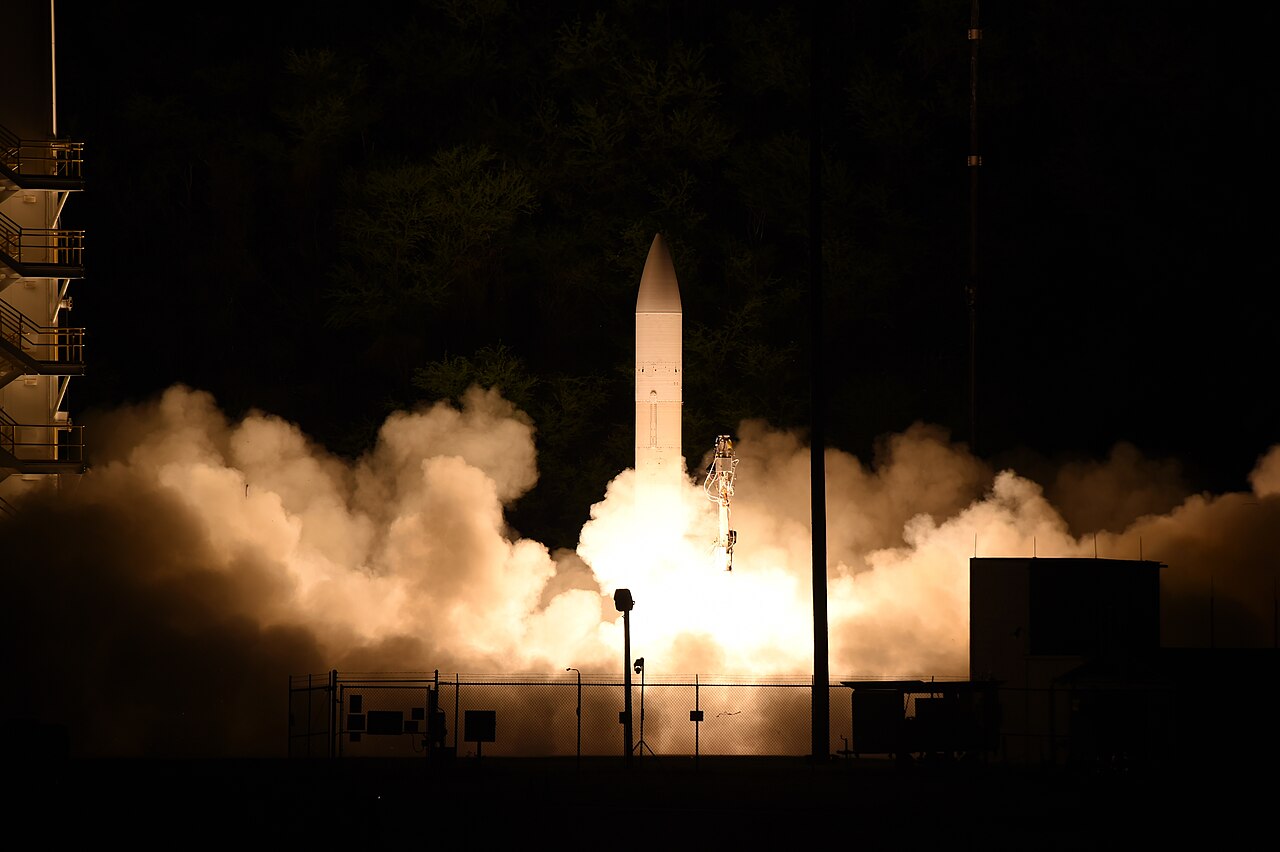
The top 10 hypersonic weapons programs of 2026 are led by Russia and China, which field weapons flying at Mach 5 and above, while the United States is catching up with Dark Eagle and a wider portfolio. This ranking orders ten programs by how far each is actually fielded, how much evidence exists for its performance, and how much it changes the balance of power.
How this ranking works
The ranking weighs four things. First is fielding status, meaning whether a weapon is in service, in early production or still in testing. Second is the quality of evidence for speed and range. Third is combat use and survivability against air and missile defense. Fourth is strategic impact. Russian, Chinese and Iranian performance figures are treated as manufacturer claims or state-media claims, and results from the war in Ukraine are operator-reported; both are discounted against independently verified data. Consistent with this site’s editorial policy, companies and platforms headquartered in Israel are excluded from consideration.
Top 10 hypersonic weapons programs 2026
| Rank | Program | Country | Status | Claimed or estimated performance |
|---|---|---|---|---|
| 1 | Avangard | Russia | In service since 2019, per Russian officials | Mach 20+, claimed |
| 2 | DF-17 | China | In service, believed since about 2020 | Range roughly 1,800 to 2,500 km, estimated |
| 3 | Zircon (3M22) | Russia | In service, used in Ukraine | Mach 8 to 9, about 1,000 km, claimed |
| 4 | Kh-47M2 Kinzhal | Russia | In service, used in Ukraine | Mach 10, up to 2,000 km, claimed |
| 5 | Dark Eagle (LRHW) | United States | Early fielding, limited numbers | Mach 5+, about 2,775 km, per US Army |
| 6 | YJ-21 | China | In service on Type 055 destroyers, reported | Mach 6+, claimed |
| 7 | Conventional Prompt Strike | United States | Shipboard integration under way | Shares the Dark Eagle glide body |
| 8 | HACM and ARRW | United States | Testing and development | Scramjet cruise missile, specifications not public |
| 9 | HVGP | Japan | Initial deployment planned around 2026 | Glide vehicle, range in the hundreds of km |
| 10 | Fattah family | Iran | Claimed in service | Mach 13 or higher, claimed by Iran |
Avangard tops the list because it is the clearest example of a fielded operational system. It is a glide vehicle launched on an intercontinental ballistic missile, and Russia says it has been in service since December 2019. Russian officials claim speeds above Mach 20, an unverified figure. Close behind, China’s DF-17 is a medium-range ballistic missile carrying a glide vehicle, and was shown in 2019 and is believed to be in service.
Russia’s Zircon and Kinzhal follow because both have been used in combat, which adds evidence even if the hit rates are disputed. Zircon is a scramjet-powered missile, while Kinzhal is an air-launched derivative of a ballistic missile, and claims that it is truly hypersonic through its entire flight are debated.
The US Army’s Dark Eagle, formally the Long-Range Hypersonic Weapon, has a stated range of about 2,775 km and reached early fielding after a string of tests, but numbers remain small. China’s YJ-21 is a ship-launched anti-ship missile associated with the Type 055 destroyer, and Chinese sources claim speeds above Mach 6. The Navy’s Conventional Prompt Strike uses the same glide body as Dark Eagle and is being integrated on Zumwalt-class destroyers, with submarines planned later.
The Air Force’s ARRW had mixed test results, and its funding has swung between cancellation and revival, while the Hypersonic Attack Cruise Missile is a scramjet program that is still in development. Japan’s Hyper Velocity Gliding Projectile is designed for island defense, with initial deployment planned around 2026. Iran’s Fattah missiles close the list: Iranian officials claim very high speeds and a maneuvering warhead, but independent verification is limited.
Which country has the best hypersonic weapons
On fielded systems, Russia and China lead, with the United States behind but investing heavily. The gap comes from different priorities: Russia and China built hypersonic glide vehicles and missiles as a response to US missile defense, while US efforts had been slowed by cost and shifting requirements. For the science of how these weapons fly and how defenses respond, see our hypersonic missiles explained guide.
Castelion’s Blackbeard, a US private-sector effort, shows another path: cheaper, high-volume systems rather than a few expensive ones. It remains in testing and is not ranked here.
Hypersonic weapons in Ukraine
Russia has used Kinzhal and Zircon against Ukraine. Ukrainian officials have said that US-supplied Patriot batteries intercepted Kinzhal missiles starting in 2023, and that some Zircon missiles have hit targets in Kyiv; both are operator-reported and only partly verified in open sources. Russian officials claim that their missiles strike with high reliability. The lesson most analysts draw is that hypersonic weapons are hard to intercept, but not invulnerable, especially when their flight paths are predictable.
Programs that just missed the top 10
Several programs narrowly missed the cut. China’s DF-27 and other glide-vehicle missiles are reported but thinly documented. North Korea has claimed hypersonic tests, including Hwasong-16B, with limited independent confirmation. India is developing a hypersonic cruise missile and a long-range anti-ship missile. France and the United Kingdom are researching hypersonic options, and Türkiye has shown a hypersonic ballistic missile concept, the Yildirimhan, which remains a claim.
Hypersonic weapons frequently asked questions
What is the most advanced hypersonic weapon in the world?
Avangard and the DF-17 are the most mature fielded glide-vehicle systems, though all performance figures for them are claims or estimates.
Which countries have hypersonic weapons?
Russia and China have them in service, the United States is in early fielding, and Japan, India, Iran and North Korea have programs at various stages.
How fast is a hypersonic missile?
At least Mach 5, about 6,100 km/h at sea level conditions.
Has a hypersonic weapon been used in combat?
Yes. Russia has used Kinzhal and Zircon in Ukraine, according to Ukrainian and Russian statements.
Can hypersonic missiles be intercepted?
Sometimes. Ukraine reports Patriot intercepts of Kinzhal, though results vary and are operator-reported.
- US Army, Navy and Department of Defense public information on hypersonic programs
- Russian and Chinese state media statements (claims labeled in text)
- Congressional Research Service reports on hypersonic weapons
- Wikipedia – hypersonic weapons articles (accessed October 2026)
- Defence & Tech reporting