Myanmar Disguised Iranian Jet Fuel as Diesel to Dodge US Sanctions
Myanmar Disguised Iranian Jet Fuel as Diesel to Dodge US Sanctions
Myanmar’s military-run government imported hundreds of thousands of barrels of sanctioned Iranian aviation fuel over the past two years by falsely labeling the cargoes as South African diesel, according to a Reuters investigation published October 26, 2026. The scheme, built around a web of intermediaries, mislabeled shipping documents and at least one tanker that misrepresented its destination, kept fuel flowing to a military that depends on airpower, including fixed-wing strikes, to prosecute its war against armed opposition groups.
What Happened
Reuters reported that Iran became Myanmar’s principal supplier of aviation fuel between October 2024 and December 2025, using the tankers Reef (IMO 9263382), later renamed Maris, and Noble to move the product. The Reef/Maris delivered roughly 113,000 barrels to Myanmar in December 2025; the Noble delivered nearly 200,000 barrels to Yangon in June, at one point transmitting a position signal suggesting it was headed to Chittagong, Bangladesh, rather than its actual Myanmar destination.
According to documents reviewed by Reuters, the Myanmar-based energy intermediary Dynamic Wave signed a contract in May 2025 for 202,000 barrels of what was described as South African diesel, worth about $26 million, on behalf of its client, National Energy Prime Aviation Services Company. A Thai firm, Tawan-Oil Trading, appeared on paper as the supplier. Myanmar’s foreign exchange regulator authorized import documents listing the cargo as diesel and cleared payment to the Thai company, per a regulator letter cited in the report.
Reuters said the fuel specifications listed in the paperwork matched aviation fuel rather than diesel, and that the price paid was more than 50% above the global diesel benchmark. The outlet found no evidence in UN or Vortexa trade data of any South Africa-to-Myanmar diesel trade in 2025, and cross-checked the Reef’s movements using ship-tracking analysis from SynMax Intelligence.
The Sanctions Being Evaded
Two separate US sanctions regimes are implicated. Washington imposed targeted sanctions on Myanmar’s aviation fuel sector in 2023, after the military’s air force escalated bombing campaigns against civilian areas during its crackdown on the nationwide uprising that followed the 2021 coup. Separately, broader US sanctions restrict the purchase of Iranian oil and petroleum products by third countries. By disguising Iranian jet fuel as South African diesel, the scheme described by Reuters would have skirted both.
Human rights groups, including Amnesty International, have tracked Myanmar’s aviation fuel imports for several years, reporting that at least 67 kilotons entered the country in 2023 alone and that volumes rose again in 2025 as the junta shifted to intermediaries and disguised cargoes to keep aircraft flying.
Who Uses the Fuel
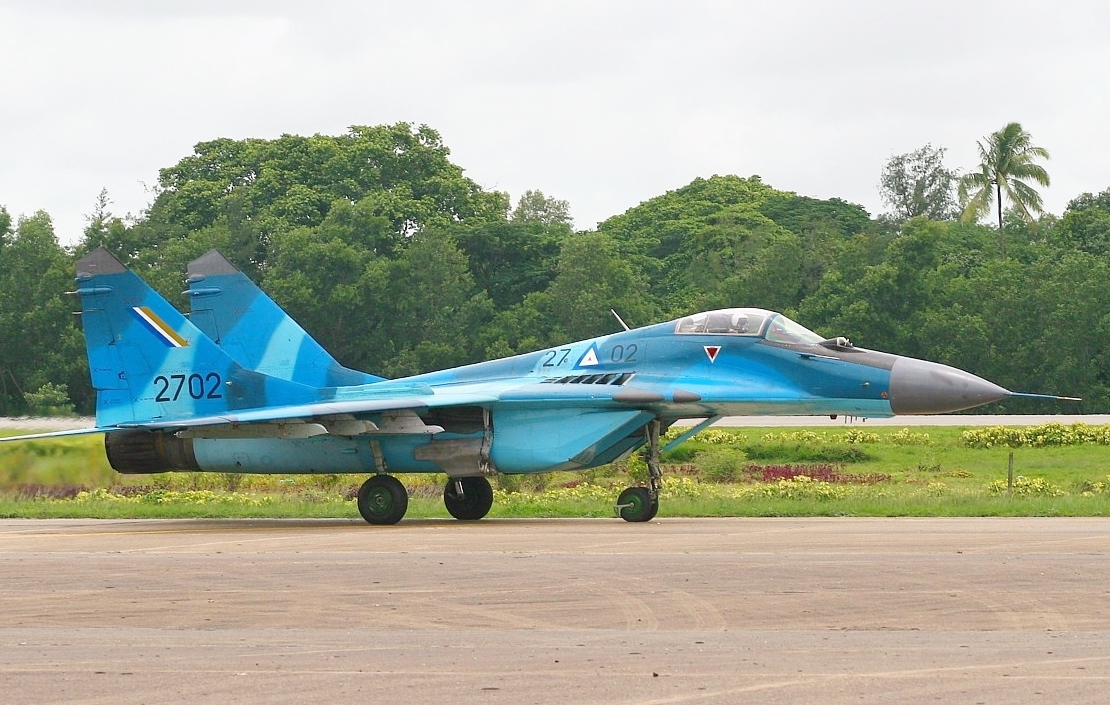
The fuel supplied both Myanmar’s civil aviation sector and, according to Reuters, its military air operations. The Myanmar Air Force operates a fast-jet fleet sourced mainly from Russia and China, reported to include Su-30SME and MiG-29 fighters, Yak-130 and K-8/FTC-2000G jet trainers converted to light-attack roles, and JF-17 Thunder aircraft acquired from Pakistan, alongside Mi-35 attack helicopters. These aircraft have been used in strikes against positions held by ethnic armed organizations and the People’s Defence Forces aligned with Myanmar’s shadow National Unity Government.
Rights monitors have documented a pattern of airstrikes hitting populated areas. In September 2026, a military jet dropped bombs on a market in Kyauktaw, Rakhine State, killing at least 49 people, according to reporting at the time. Advocacy groups have long argued that cutting off jet fuel supplies would constrain the junta’s ability to sustain such strikes, which is the rationale behind the 2023 US sector sanctions.
Procurement and Evasion Timeline
- October 2024-December 2025: Iran emerges as Myanmar’s main aviation fuel supplier, per Reuters, with the Reef/Maris and Noble carrying the bulk of shipments.
- May 2025: Dynamic Wave contracts for 202,000 barrels of purported South African diesel worth $26 million.
- June 2025: The Noble delivers close to 200,000 barrels to Yangon while signaling a false destination.
- November 2025: Myanmar’s foreign exchange regulator authorizes import paperwork listing the cargo as diesel and clears payment to the Thai intermediary.
- December 2025: The Reef, renamed Maris, arrives with about 113,000 barrels under a similarly structured contract worth $15.8 million.
- 2026: Deliveries continue, according to Reuters’ reporting published October 26, 2026.
Why It Matters
The case illustrates how sanctioned regimes increasingly rely on mislabeled cargo documentation, flag-of-convenience tankers and intermediary trading companies in third countries rather than direct sanctioned-to-sanctioned transactions, a pattern also seen in Iranian oil exports to other markets. For Myanmar specifically, continued access to aviation fuel is tied directly to the junta’s capacity to carry out the air campaign that has become central to its war strategy as it loses ground on the periphery to armed resistance groups.
The investigation also puts renewed scrutiny on Thailand’s role as a transshipment and documentation hub for fuel bound for Myanmar, and on the enforcement gap between US sector-specific sanctions and the practical difficulty of verifying cargo identity once paperwork has been altered.
What Happens Next
Reuters’ findings are likely to draw renewed calls from human rights organizations for the US Treasury’s Office of Foreign Assets Control to expand sanctions designations to cover the specific intermediaries named in the investigation, including Dynamic Wave and Tawan-Oil Trading, and to pressure flag registries and insurers linked to vessels such as the Reef/Maris and Noble. Whether Washington acts on company-specific designations, and whether Thai authorities investigate Tawan-Oil Trading’s role, remain open questions not yet addressed by any named party in the reporting.
FAQ
What fuel did Myanmar import and how was it disguised?
Reuters reported that Myanmar imported Iranian aviation fuel through intermediaries while import documents falsely described the cargo as South African diesel, despite fuel specifications and pricing consistent with jet fuel.
Which sanctions does this evade?
US sector sanctions on Myanmar’s aviation fuel trade, imposed in 2023 after military airstrikes on civilians, and separate US restrictions on Iranian petroleum product purchases.
What aircraft does Myanmar’s military fly on this fuel?
Reported fast jets include Su-30SME, MiG-29, Yak-130, JF-17 Thunder and K-8/FTC-2000G trainers, plus Mi-35 attack helicopters, used in strikes against armed opposition groups.
Who are the companies and ships named in the investigation?
Dynamic Wave (Myanmar-based buyer), National Energy Prime Aviation Services Company (its client), and Tawan-Oil Trading (Thai paper supplier), using the tankers Reef/Maris and Noble.
Has any party responded to the findings?
The named companies and Myanmar’s regulator have not issued public responses included in the available reporting as of publication.
Sources
- Reuters, “How purchases of sanctioned Iranian jet fuel were disguised by Myanmar,” October 26, 2026 — primary investigation with shipping documents, satellite imagery and trade data.
- Militarnyi (Roman Pryhodko), summary of the Reuters investigation, October 26, 2026 — used to confirm figures, timeline and entity names.
- Associated Press, reporting on the September 2026 Kyauktaw market airstrike, Rakhine State — casualty figures for contextual strike example.
- Amnesty International, reporting on Myanmar aviation fuel import volumes, 2023-2025 — background on fuel-sanctions enforcement gaps.