

The Apex of Naval Warfare: The World’s Most Advanced Warships in 2026
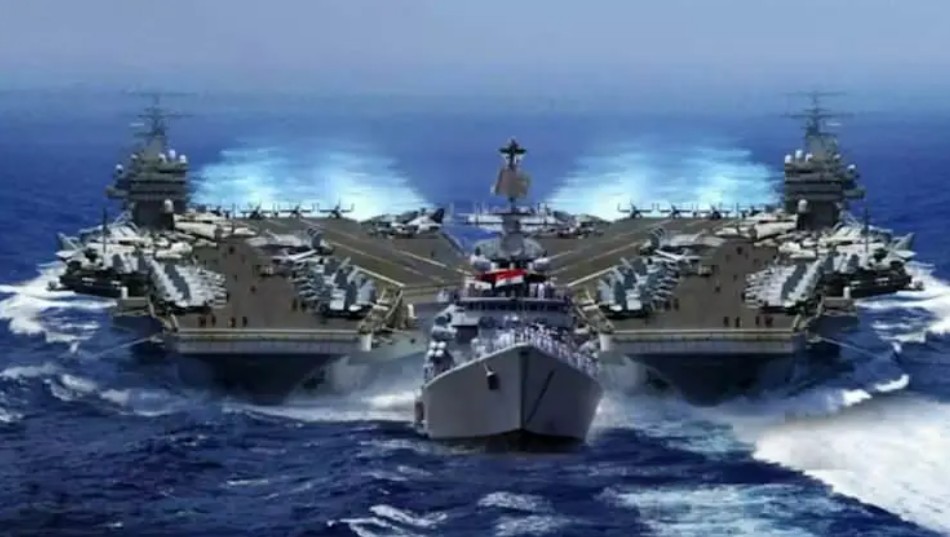
GLOBAL SECURITY DESK — In an era defined by hypersonic weapons, artificial intelligence, and great power competition, naval supremacy remains the ultimate metric of global power projection. The warships navigating the world’s strategic choke points today are no longer just floating artillery platforms; they are heavily networked, stealth-optimized floating supercomputers capable of altering the strategic balance of an entire hemisphere.
Based on current operational capabilities, radar cross-section reduction, offensive firepower, and electronic warfare integration, here is an analytical breakdown of the world’s most advanced warships currently patrolling the high seas.
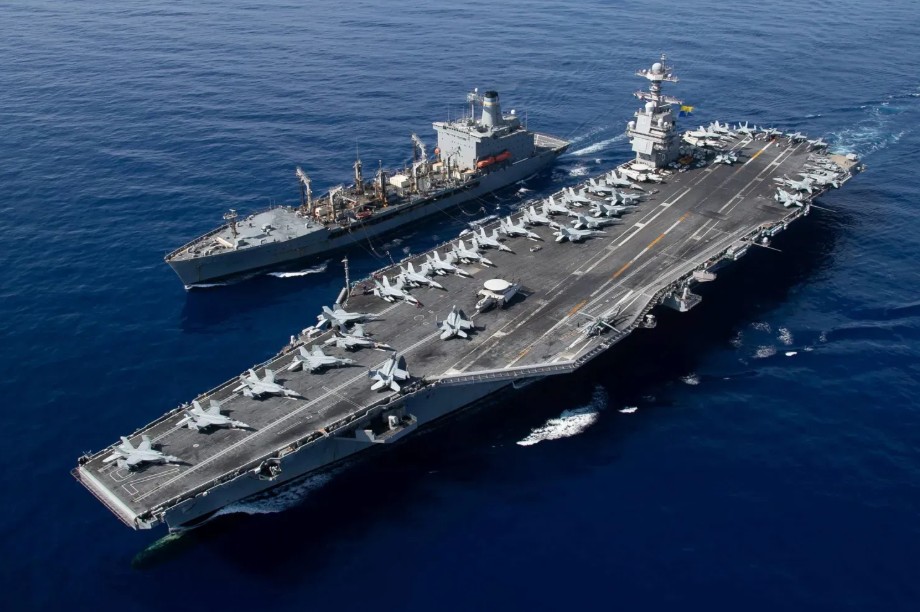
USS Gerald R. Ford (CVN-78) – United States The undisputed king of the oceans, the Ford-class aircraft carrier represents a generational leap over the legacy Nimitz-class. Its core advantage lies in its Electromagnetic Aircraft Launch System (EMALS) and Advanced Arresting Gear (AAG), which allow for a 33% higher sortie generation rate. Powered by two A1B nuclear reactors that generate nearly three times the electrical power of its predecessors, the Ford is explicitly designed to accommodate future directed-energy weapons (lasers) and advanced unmanned aerial combat vehicles (UCAVs).
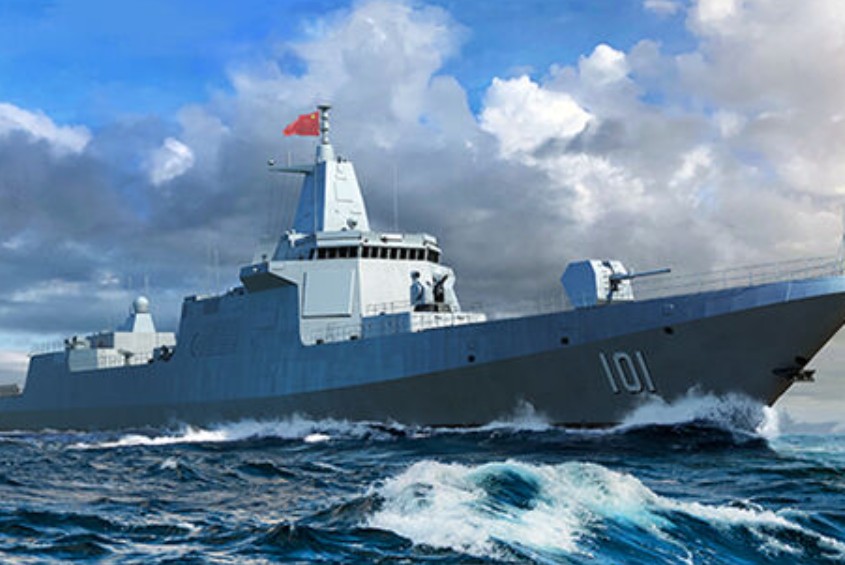
Type 055 Destroyer (Renhai-Class) – China Categorized as a cruiser by the US Navy due to its massive 13,000-ton displacement, the People’s Liberation Army Navy (PLAN) Type 055 is arguably the most heavily armed surface combatant in the world today. It features a highly sophisticated dual-band active electronically scanned array (AESA) radar system. More alarmingly for Western defense planners, its 112 Vertical Launch System (VLS) cells are now confirmed to be capable of firing the YJ-21 hypersonic anti-ship ballistic missile, giving it a standoff strike capability that currently outranges carrier strike group defenses.
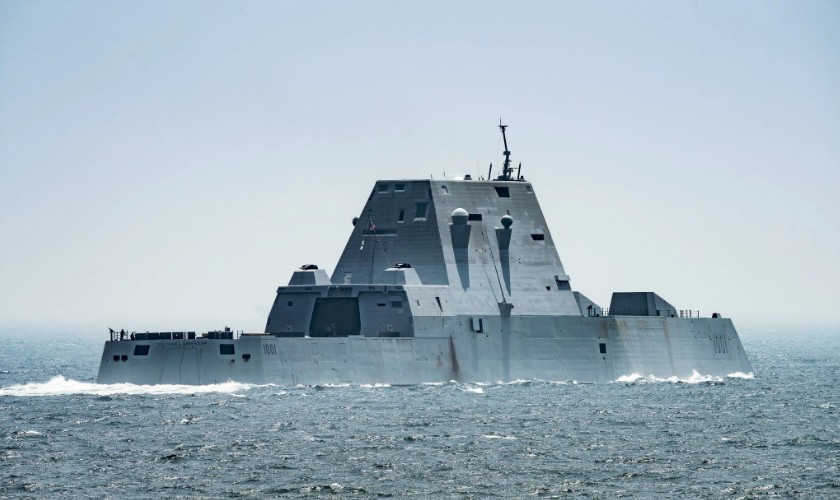
Zumwalt-Class Destroyer (DDG-1000) – United States Despite a troubled procurement history and a truncated production run of only three ships, the Zumwalt remains an unparalleled marvel of stealth engineering. Its tumblehome hull design gives this 16,000-ton behemoth the radar cross-section of a small fishing boat. As of recent retrofits, the U.S. Navy is actively replacing its defunct Advanced Gun Systems with large missile tubes specifically designed to house the Common Hypersonic Glide Body (C-HGB), transforming the Zumwalt into the ultimate stealth, first-strike decapitation platform.
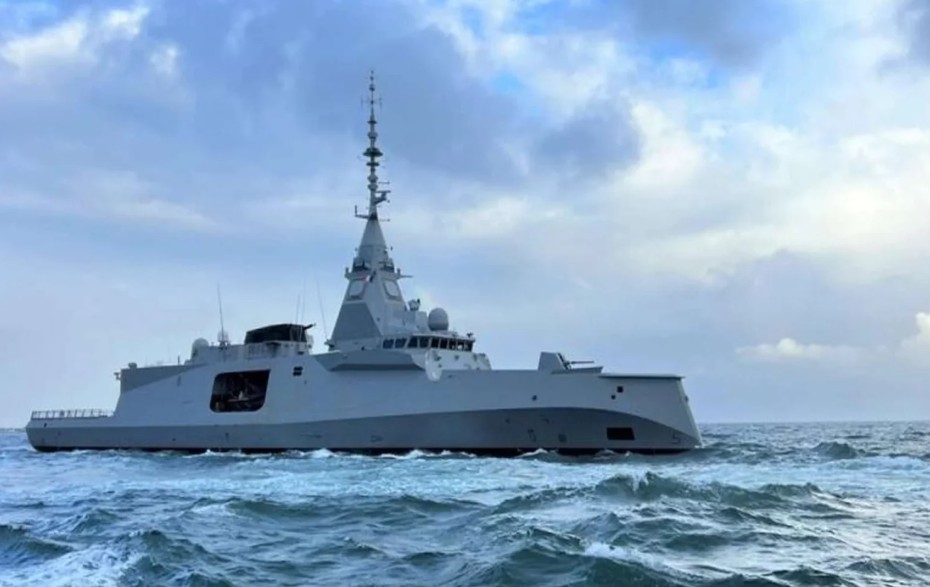
FDI (Amiral Ronarc’h-Class) Frigate – France Representing the cutting edge of European naval architecture, the French FDI (Frégate de Défense et d’Intervention) is the world’s first fully digital warship. Its cyber-secure IT architecture is built to withstand intensive electronic and cyber warfare. Equipped with the Thales Sea Fire all-digital AESA radar, it can simultaneously track over 800 targets without any rotating parts, providing a formidable, impenetrable 3D air defense bubble.
The Strategic Takeaway The metric for naval dominance has permanently shifted. Tonnage and cannon caliber have been entirely replaced by sensor fusion, network-centric warfare capabilities, and the capacity to generate enough electrical power to sustain next-generation laser point-defenses. As the US and China continue their naval arms race, these vessels will serve as the primary instruments of deterrence—or the tip of the spear in any future maritime conflict.