India’s Air Defense Systems: S-400, Akash, Barak-8 and More
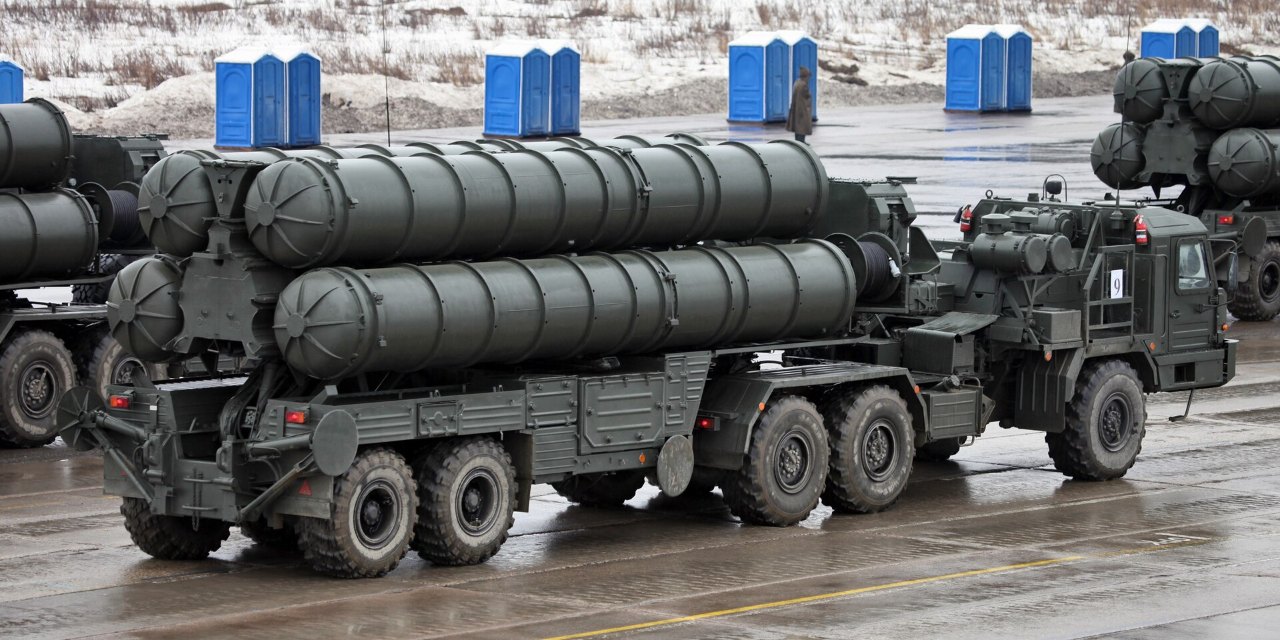
India has built one of Asia’s most layered air defence networks. At the top is the Russian S-400, which India calls Sudarshan Chakra and which shot down a Pakistani surveillance aircraft at a reported range of more than 300 kilometres during Operation Sindoor in May 2025. Below it are the Israeli-Indian MRSAM, or Barak-8, the home-grown Akash and a range of short-range missiles and guns. India is also developing its own ballistic missile defence.
This guide sets out each system, how they fit together and how they performed in combat.
What air defence systems does India have?
India’s air defence is shared between the air force, which defends airbases and cities, and the army, which protects troops and key sites with its own systems. They are linked through the Integrated Air Command and Control System, and the army’s Akashteer network connects radars and weapons in the field.
| System | Origin | Approx. range | Role |
|---|---|---|---|
| S-400 (Sudarshan Chakra) | Russia | Up to 400 km | Long-range; 4 of 5 squadrons delivered, more approved |
| MRSAM / Barak-8 | Israel and India | About 70-100 km | Medium-range; army, air force and navy |
| Akash / Akash Prime | India (DRDO) | About 25-30 km | Medium-range; Akash-NG in development |
| QRSAM | India (DRDO) | About 30 km | Quick-reaction mobile system |
| Spyder | Israel | About 15-35 km | Air force short- and medium-range |
| Igla-S, VSHORADS | Russia, India | Up to about 6 km | Shoulder-fired missiles |
| L-70, ZU-23, Shilka guns | Various | A few km | Counter-drone and close defence |
| PAD / AAD ballistic missile defence | India (DRDO) | Exo- and endo-atmospheric | Phase 1 developed for city defence |
S-400 Sudarshan Chakra
India signed a $5.43 billion deal for five S-400 squadrons with Russia in 2018, despite the threat of American sanctions. Deliveries were delayed by the war in Ukraine, but four had arrived by June 2026 and the fifth was expected later that year, and the Defence Acquisition Council has approved five more. During Operation Sindoor the S-400 was credited with destroying Pakistani drones and missiles and, by Indian accounts, a high-value Pakistani surveillance aircraft at more than 300 kilometres, one of the longest-range surface-to-air kills on record. The system is described in our profile of the S-400 Triumf.
Akash and MRSAM
The Akash, developed by DRDO and built by Bharat Electronics and Bharat Dynamics, is India’s most widely used home-grown air defence missile, and it performed well against Pakistani drones in May 2025. An improved Akash-NG is in development, and Armenia became the first export customer for Akash. The MRSAM, known in the navy as Barak-8, was developed with Israel Aerospace Industries and arms India’s destroyers as well as army and air force units. Indian air defence missiles and exports are described in our report on Akash-NG and Astra.
Mission Sudarshan Chakra
In August 2025 Prime Minister Narendra Modi announced Mission Sudarshan Chakra, a plan to build a national shield protecting key cities and installations against air and missile attack by 2035, in part with home-grown technology. It builds on DRDO’s two-layer ballistic missile defence programme, which has tested interceptors for high and low altitudes, and on India’s growing radar network. Details of cost and architecture have not been published.
How does India compare?
China has a larger and denser network, including the HQ-9 and new HQ-19 and HQ-29 missile defence interceptors, as our guide to Chinese air defence shows. India’s advantage is combat experience: in May 2025 its layered defences were tested against Pakistani drones and missiles and largely held. The fighters that defend India’s airspace are covered in our guide to Indian fighter jets.
Frequently asked questions
What air defence systems does India have?
India’s main systems are the S-400, the MRSAM/Barak-8, the Akash, the QRSAM and Spyder, plus short-range missiles and guns.
How many S-400 squadrons does India have?
Four of the five ordered had been delivered by June 2026, with the fifth expected later in the year. Five more have been approved.
Did India use the S-400 in combat?
Yes. During Operation Sindoor in May 2025 it was credited with shooting down Pakistani drones, missiles and a surveillance aircraft at more than 300 kilometres.
What is the Akash missile?
An Indian medium-range surface-to-air missile developed by DRDO, used by the army and air force and exported to Armenia.
What is Mission Sudarshan Chakra?
A national air and missile defence shield announced in August 2025, intended to protect key sites across India by 2035.
Does India have ballistic missile defence?
DRDO has developed a two-tier ballistic missile defence system, and India is building on it under Mission Sudarshan Chakra.
- Raksha Anirveda – India receives fourth squadron of S-400 Triumf (June 2026): raksha-anirveda.com
- The Week – S-400 proved its might during Operation Sindoor (June 2025): theweek.in
- Outlook Business – IAF’s S-400 “Sudarshan”: all about India’s missile defence: outlookbusiness.com