How Strong Is France’s Military in 2026? Budget, Nuclear Forces, Rafale and Navy
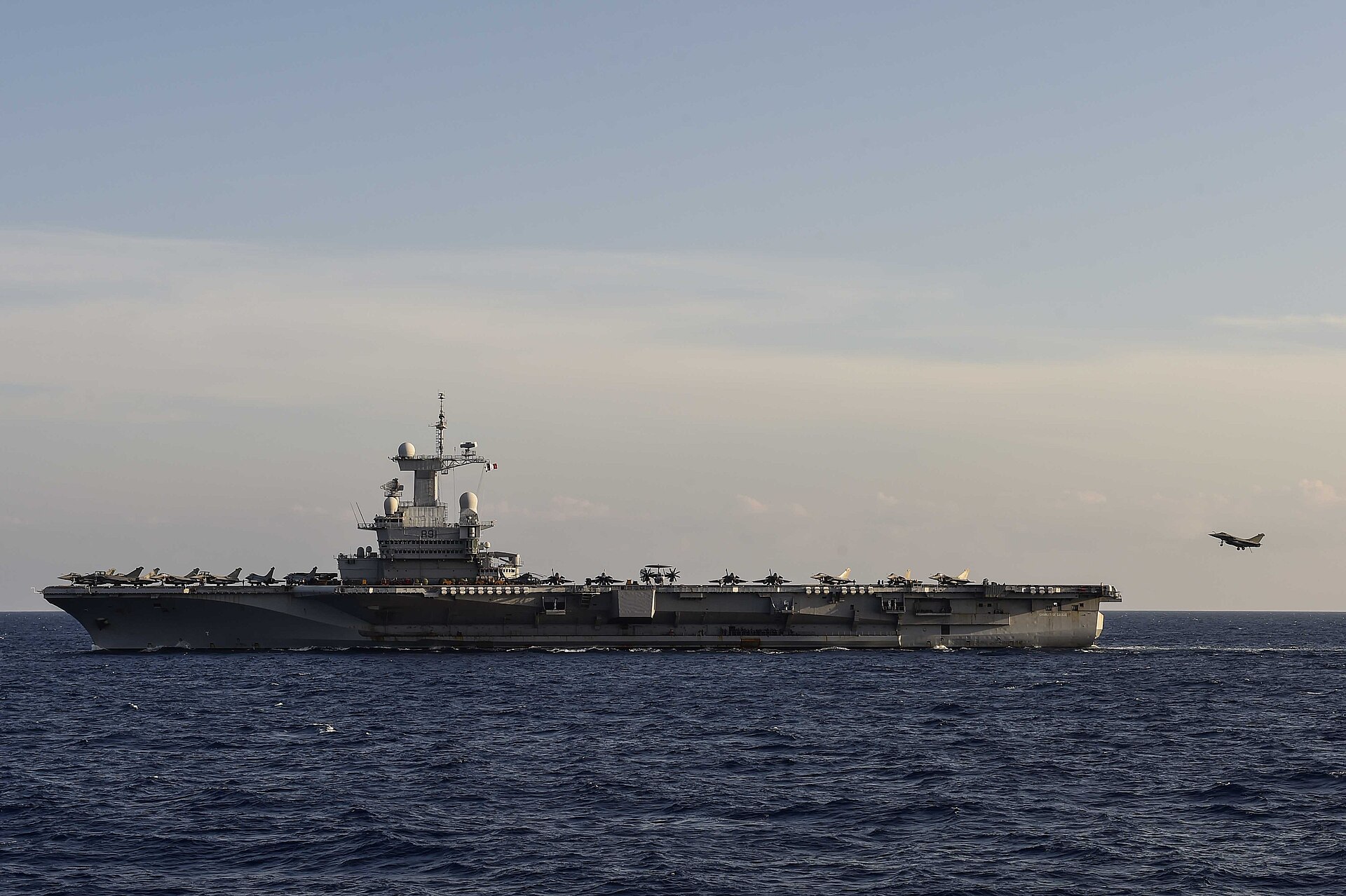
France has the sixth most powerful military in the world in 2026, according to Global Firepower, and the strongest in the European Union. It is the EU’s only nuclear power, one of just two countries outside the US that operate a nuclear-powered aircraft carrier, and a defense industry that can build almost everything it needs, from submarines and fighters to missiles and satellites.
- Global Firepower 2026 rank: 6th
- Military spending (SIPRI, 2025): $68.0 billion
- Active personnel: about 200,000
- Nuclear warheads: about 290
- Key assets: Rafale, Charles de Gaulle, M51 SLBM
Budget: rising toward €64 billion
SIPRI estimates French military spending at $68.0 billion in 2025. The 2024-2030 military programming law already set aside €413 billion over seven years, and President Emmanuel Macron has since pushed to accelerate that, targeting a defense budget of about €64 billion a year by 2027, roughly double the 2017 level.
People
The French armed forces have around 200,000 active personnel, including the famous Foreign Legion, plus reserves the government wants to expand sharply. France has also launched a voluntary military service scheme to rebuild its reserve pool, part of a wider European trend of reconnecting young people with defense.
Nuclear deterrent
France keeps an independent nuclear force of about 290 warheads, delivered by four Triomphant-class ballistic missile submarines and Rafale jets armed with the ASMPA-R cruise missile. In October 2026 the submarine Le Vigilant carried out the first at-sea firing of the new M51.3 ballistic missile, with Macron watching from a frigate. Paris has also opened a debate about the “European dimension” of its deterrent as US commitments to Europe come under question.
Air Force and Navy
The Rafale is the backbone of French air power and a major export success, sold to India, Egypt, Qatar, Greece, Croatia, the UAE and Indonesia, among others. The Navy operates the nuclear-powered carrier Charles de Gaulle, Barracuda-class attack submarines, FREMM and new FDI frigates, and is building a larger carrier successor for the late 2030s.
Going it alone on fighters and tanks
In 2026 France moved to develop its own sixth-generation fighter and a “Super Rafale” after leaving the troubled FCAS program with Germany, while the Franco-German MGCS tank project collapsed after Berlin pulled out. The breakups reflect French insistence on industrial leadership, and they will test whether Paris can fund major programs alone.
Weaknesses
France’s military is often described as a “bonsai army”: complete in capabilities but thin in numbers. Stocks of munitions and spare parts are limited, and its only 155 mm shell-casing factory faced possible closure in 2026 over safety issues. The withdrawal from Mali, Niger, Chad and other parts of Africa has also reduced its overseas footprint.
Verdict
France is Europe’s most complete military power, with a credible nuclear deterrent, real expeditionary experience and a strong industrial base. Its challenge for the rest of the decade is depth: turning higher budgets into more ammunition, more platforms and forces that can sustain a long, high-intensity war.
Featured image: U.S. Navy / Public domain, via Wikimedia Commons