Cluster Munitions Explained, How They Work and Why They Divide the World
Cluster munitions scatter dozens to hundreds of small bomblets across an area the size of several football fields, and 111 countries have banned them by treaty while the world’s largest artillery powers keep them in service. The war in Ukraine has put that split under more strain than at any point since the Oslo Convention was signed in 2008, with both sides firing cluster weapons and Washington supplying them.
How do cluster munitions work
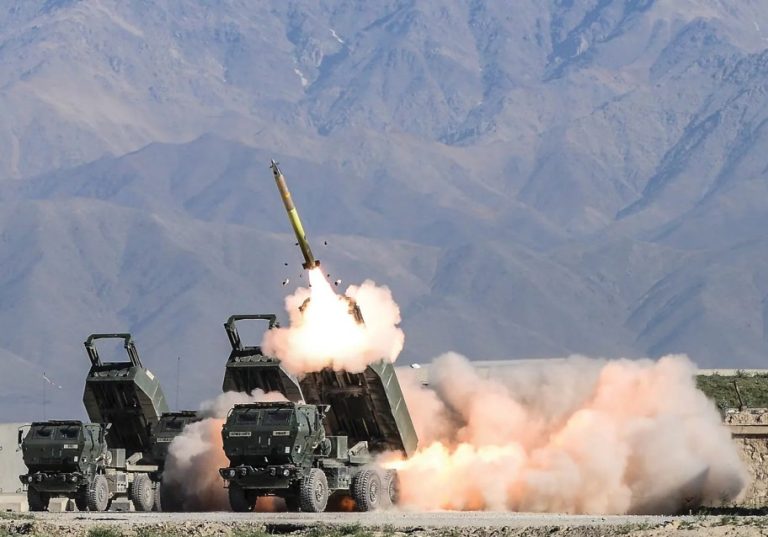
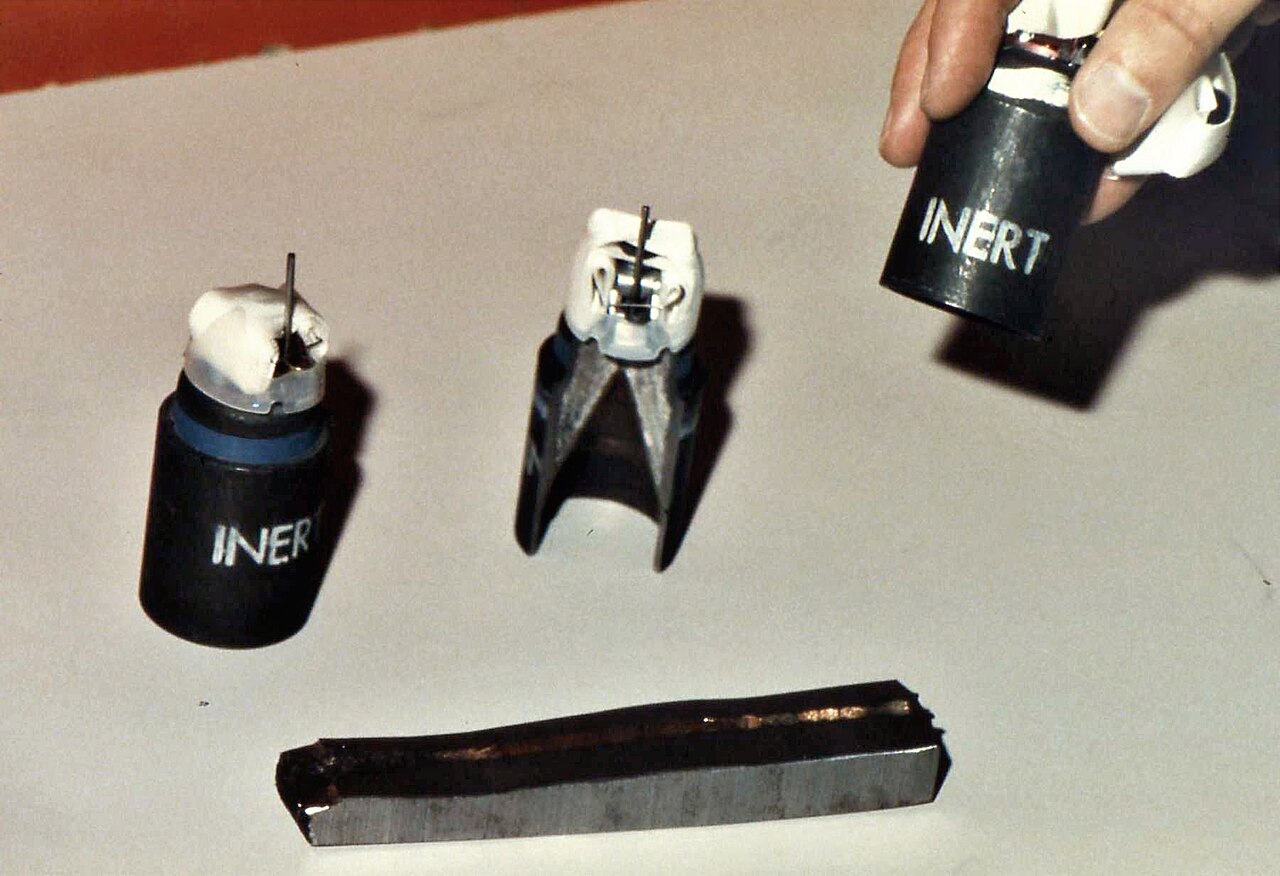
A cluster munition is a carrier, a shell, rocket, missile or bomb, that opens in flight and dispenses submunitions over a wide footprint. Most submunitions are dual-purpose: a shaped charge to punch armor and a fragmenting case against personnel, which is why the US family is called DPICM, dual-purpose improved conventional munition. The appeal is arithmetic: one carrier attacks an area target that would otherwise take many unitary rounds.
| Carrier | Delivery | Submunitions |
|---|---|---|
| M483A1 / M864 | 155mm artillery shell | 88 / 72 DPICM grenades |
| M26 rocket | M270 MLRS rocket | 644 M77 grenades |
| M39 ATACMS | Ballistic missile | About 950 M74 submunitions |
| CBU-87 | Air-dropped bomb | 202 BLU-97 bomblets |
| 9M55K | 300mm Smerch rocket | 72 fragmentation submunitions |
Why are cluster munitions controversial
The case against them rests on duds. A percentage of submunitions fail to explode and remain live where they fell, functioning like scattered landmines for years. Demining organizations point to Laos, where tens of millions of unexploded US bomblets from the Vietnam War era still contaminate farmland, and to southern Lebanon after 2006, as proof that the harm outlasts any campaign. Because submunitions blanket areas rather than points, their use near towns also raises immediate civilian risk.
The case for them is military efficiency against area targets, dispersed infantry, trench lines, vehicle concentrations, artillery batteries, especially when precision rounds are scarce or targets are imprecisely located. Militaries that retain them, including the US, Russia, China, India, Pakistan and South Korea, argue that modern fuzes with self-destruct features cut dud rates sharply, and that giving them up concedes an advantage to adversaries who will not.
What is the Oslo Convention on cluster munitions
| Item | Detail |
|---|---|
| Negotiated | Dublin, May 2008; signed in Oslo, December 2008 |
| Entered into force | 1 August 2010 |
| States parties | 111 in 2026 |
| Core bans | Use, production, transfer and stockpiling of cluster munitions |
| Also requires | Stockpile destruction, clearance of contaminated land, victim assistance |
| Key non-parties | US, Russia, China, Ukraine, India, Pakistan, both Koreas, Iran, Türkiye |
| First withdrawal | Lithuania, effective March 2025, citing the Russian threat |
The treaty grew from the same humanitarian coalition that produced the landmine ban, and most NATO members joined. But the states that build and stockpile the most cluster weapons never signed, and Lithuania’s withdrawal, the first from any major humanitarian arms treaty, showed frontline states reweighing the bargain as the security environment darkened.
Why did the US send cluster shells to Ukraine
In July 2023, with Ukraine’s counteroffensive grinding against entrenched Russian infantry and Western 155mm shell production lagging far behind consumption, Washington approved transfers of DPICM artillery shells. The administration argued the shells would bridge the ammunition gap, cited Ukrainian commitments on recording strike locations and clearance, and said the transferred lots had claimed dud rates below 2.35 percent, a figure critics dispute as optimistic relative to historical field data. ATACMS missiles with cluster warheads followed in October 2023, used in operator-reported strikes on Russian airfields.
Reaction split the alliance politely. Convention members such as the UK, Canada and Spain restated their treaty obligations without blocking the US move. Russia, itself using cluster munitions extensively, condemned the transfer. Ukraine, not a party to the convention, argued the weapons were being used on its own territory against a military occupier.
Do cluster munitions work on the battlefield
Ukrainian commanders described the DPICM shells as operator-reported force multipliers against infantry in open trenches and against artillery crews, targets where fragmentation over an area beats a single point detonation. Investigators have likewise documented Russian use of Smerch and Uragan cluster rockets and Iskander missiles with cluster warheads since the war’s first days, including in strikes that hit populated areas.
The longer trend still runs toward precision. The US replaced the M26 cluster rocket with unitary GMLRS rounds, and cheap precise alternatives, from guided shells to loitering munitions, keep eroding the unique value of saturation. The unresolved question is whether precision can ever be cheap and plentiful enough to make area weapons obsolete in a high-intensity war of millions of rounds.
Cluster munitions frequently asked questions
What is a cluster munition?
A shell, rocket, missile or bomb that opens in flight and scatters smaller submunitions over an area, attacking dispersed targets with one carrier.
Are cluster munitions banned?
They are banned for the 111 states party to the 2008 Convention on Cluster Munitions. The US, Russia, China, Ukraine, India and Pakistan are not parties.
Why are cluster munitions dangerous to civilians?
A share of submunitions fail to detonate and remain live for years, killing and maiming civilians long after fighting ends.
Did the US give Ukraine cluster munitions?
Yes. DPICM 155mm shells from July 2023 and ATACMS missiles with cluster warheads from October 2023.
Which country first left the cluster munitions treaty?
Lithuania, whose withdrawal took effect in March 2025, the first ever from the convention.
- Convention on Cluster Munitions depositary records
- Cluster Munition Coalition annual monitoring reports
- Wikipedia – Cluster munition (accessed October 2026)
- US government statements on 2023 DPICM transfers
- Defence & Tech reporting on the Ukraine artillery war