
Australia Picks Henderson for AUKUS Naval Hub With A$12 Billion
Australia has selected the Henderson precinct in Western Australia as the site of its AUKUS naval infrastructure hub, backing the decision with an initial A$12 billion in federal funding and projecting around 10,000 direct jobs over the next two decades.
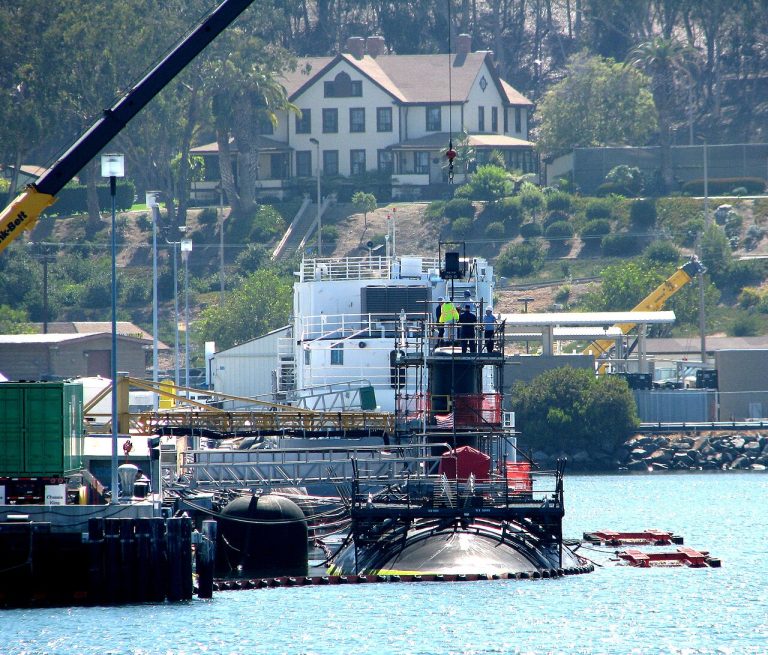
The announcement, made Aug. 25, moves the project into its concept design phase. Henderson, south of Perth on Cockburn Sound, will support construction and sustainment of conventionally armed, nuclear-powered submarines, along with Royal Australian Navy general-purpose frigates, Australian Army landing craft and routine fleet maintenance.
Why Henderson
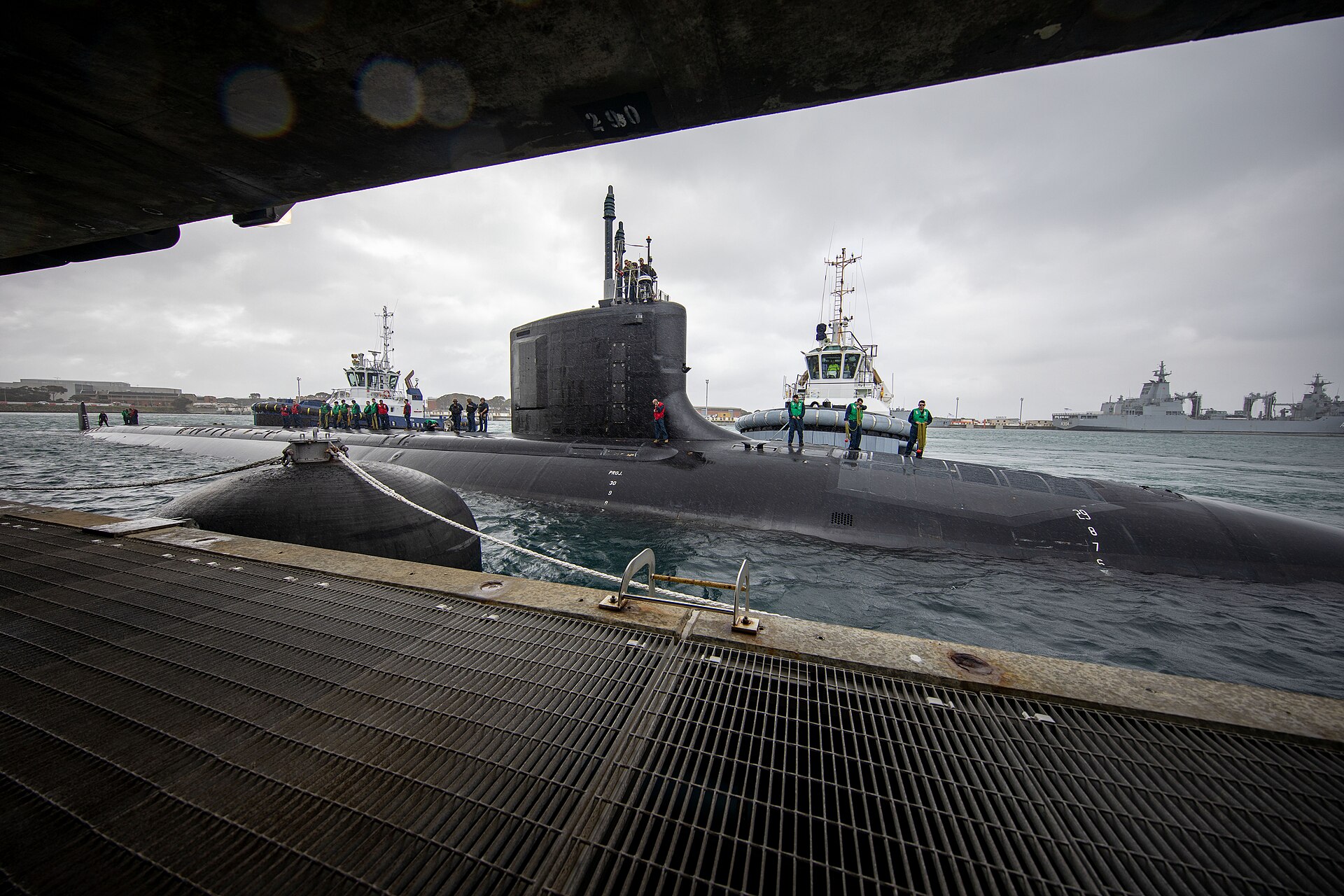
The choice was not a surprise so much as a confirmation. Henderson sits a short distance from HMAS Stirling on Garden Island, the base that will host Submarine Rotational Force-West — the planned rotational presence of U.S. and British nuclear-powered attack submarines in Western Australia. Putting the industrial precinct next to the operational base is the only arrangement that makes practical sense.
“AUKUS is full steam ahead and we are proud to deliver this milestone,” Prime Minister Anthony Albanese said. Defence Minister Richard Marles framed the decision in procedural terms: it “allows the next phase of planning and development of the precinct to progress at pace.”
Western Australian Premier Roger Cook was more expansive. “My vision is for Western Australia to become the largest naval maintenance and shipbuilding hub in the southern hemisphere,” he said — a statement of intent that reflects how much state-level politics is bound up in the project.
The problem Henderson is meant to solve
AUKUS Pillar 1 commits Australia to a sequence: rotational deployments of allied submarines to Western Australia, the purchase of Virginia-class boats from the United States in the early 2030s, and eventually a jointly developed SSN-AUKUS built in South Australia from the early 2040s.
Every stage of that sequence assumes an industrial base that Australia does not yet have. Nuclear-powered submarines require maintenance facilities, security infrastructure, dry-docking capacity and a workforce certified to work on reactor-adjacent systems. None of it exists at the required scale, and none of it can be improvised. The lead time on a graving dock is measured in years; the lead time on a nuclear-qualified technician is measured in careers.
Henderson is where that base is supposed to be built. The A$12 billion is explicitly initial funding for the concept design phase and early works, not a total programme cost — a distinction that Australian defence projects have historically blurred, and one worth holding onto.
More than submarines
Notably, the precinct is not scoped for submarines alone. It is also to support the Royal Australian Navy’s general-purpose frigate programme and the Army’s new landing craft, alongside conventional fleet maintenance.
That breadth is deliberate. A yard that only services submarines has lumpy, unpredictable demand and struggles to retain skilled workers between peaks. Mixing in frigate work and landing-craft construction smooths the workload and gives the surrounding supply chain a reason to invest. Australia has learned this lesson expensively before: the gap between the end of the Collins-class build and the start of the next programme hollowed out a workforce that then had to be reassembled from scratch.
Strategic context
The location matters beyond convenience. Western Australia faces the Indian Ocean and sits astride the approaches to Southeast Asia’s maritime chokepoints. Submarines based or maintained there can reach the eastern Indian Ocean and the seas around Indonesia without the long transit from Australia’s east coast — a geography that is the entire reason the United States pushed for rotational presence in the west rather than closer to Sydney.
For Washington and London, Henderson provides forward maintenance capacity in a theatre where distance is the dominant constraint. A U.S. attack submarine that can be repaired in Western Australia rather than returning to Guam or Hawaii spends materially more of its life on station. That, more than any treaty language, is the practical value AUKUS delivers to the United States in the near term.
What to watch
Concept design is an early phase, and the record of large Australian defence infrastructure projects counsels patience. Cost growth, workforce shortages and the sheer regulatory complexity of nuclear-adjacent facilities are all live risks, and the 10,000-job figure is a projection over twenty years rather than a near-term commitment.
The programme also carries political exposure. AUKUS has survived changes of government in all three capitals, but it depends on U.S. submarine production rates that have consistently run below target — the Virginia-class transfer to Australia is contingent on American yards building faster than they currently do. Henderson addresses the Australian half of that equation. It cannot fix the American half.
Still, the decision converts an intention into a location, a budget line and a design phase. For a programme that has spent much of its life as an announcement, that is a real step.
Sources
- Australian Government announcement on the Henderson Defence Precinct, Aug. 25, 2026
- Defence Industry Europe, “Australia selects Henderson site for AUKUS naval hub backed by A$12 billion and expected to support around 10,000 direct jobs”
- Statements by Prime Minister Anthony Albanese, Defence Minister Richard Marles and Western Australian Premier Roger Cook