What is Asymmetric Warfare? The Tactics Redefining Global Conflict
If you have been following international defense headlines recently, you have likely encountered a recurring term: asymmetric warfare. From the deployment of cheap, commercially available drones to disable multi-million-dollar main battle tanks, to fast-attack speedboats harassing nuclear-powered aircraft carriers, the traditional rules of combat are being rewritten.
But what exactly is asymmetric warfare, and why has it become the defining military doctrine of the 21st century?
Defining the Asymmetric Threat
In conventional warfare, two opposing forces use similar tactics, weapon systems, and military doctrines. Think of the massive tank battles of World War II or the dogfights of the Cold War era—these are symmetrical conflicts where victory often relies on who has the larger, better-equipped military force.
Asymmetric warfare, however, occurs when two belligerents possess vastly unequal military power or technological capabilities. Because the weaker force cannot possibly win a direct, head-to-head confrontation against a superior conventional army, they must use unconventional tactics to exploit their enemy’s vulnerabilities.
The core philosophy of asymmetric warfare is avoiding the enemy’s strengths while continuously attacking their weaknesses. It is the modern-day equivalent of David versus Goliath.
Key Tactics of Asymmetric Warfare
Asymmetric combatants do not seek to destroy an entire enemy army; instead, they aim to inflict enough psychological, economic, and political damage to break the enemy’s will to fight. Common tactics include:
Guerrilla Warfare and Insurgency: Using hit-and-run tactics, ambushes, and blending in with the civilian population to avoid direct engagement.
Proxy Wars: Major global powers often use asymmetric tactics by funding, training, and equipping smaller local militia groups to fight their rivals indirectly, avoiding the political fallout of a direct declaration of war.
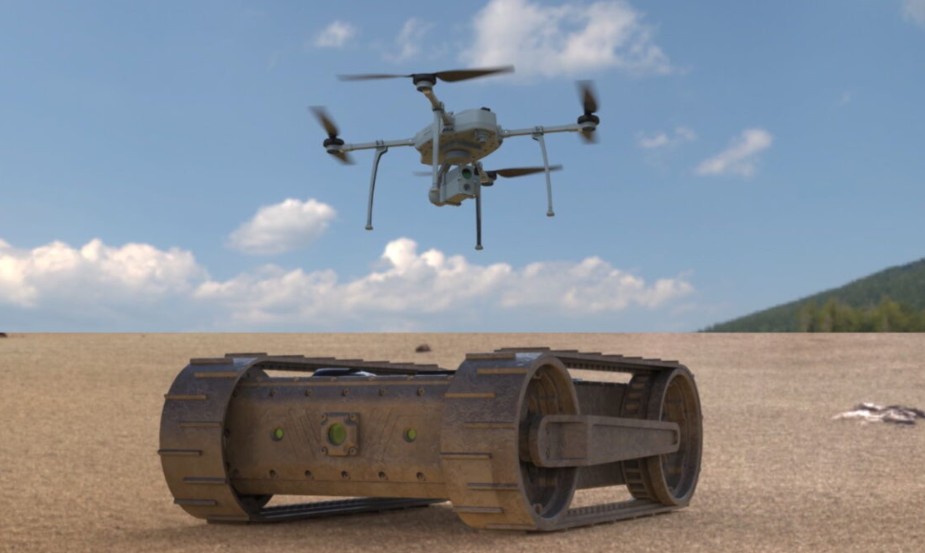
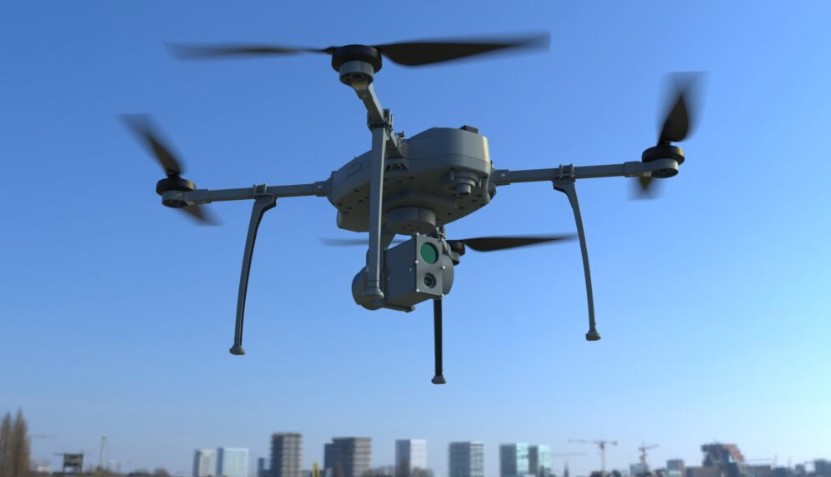
Weaponizing the Cheap: The most defining trait of modern asymmetry is cost disparity. Utilizing a $2,000 modified commercial drone to destroy a $10 million air defense radar is the ultimate asymmetric victory.
Modern Examples in the Middle East and Beyond
The theoretical concept of asymmetric warfare is currently playing out in real-time across various global hotspots, particularly in the Middle East.
Consider naval operations in strategic chokepoints like the Strait of Hormuz. A conventional navy relies on massive, billion-dollar destroyers and frigates. To counter this, an asymmetric force utilizes “swarm tactics”—deploying dozens of cheap, highly maneuverable, weaponized speedboats. While a destroyer has overwhelming firepower, its radar and defense systems can be overwhelmed by sheer numbers from multiple angles.
Similarly, in the realm of airspace, non-state actors are increasingly utilizing loitering munitions (kamikaze drones) and improvised rocket systems. These weapons are cheap to mass-produce but force conventional armies to intercept them using sophisticated missile defense systems that cost hundreds of thousands of dollars per shot, creating an unsustainable economic imbalance.
The New Frontier: Cyber and Information Warfare
Today, asymmetric warfare extends far beyond physical battlefields. Cyber warfare is the ultimate asymmetric weapon. A small group of highly skilled hackers operating from a basement can infiltrate a nation’s critical infrastructure, shut down power grids, or paralyze financial institutions without firing a single bullet.
Furthermore, the weaponization of social media to spread disinformation and manipulate public opinion is a tactic used to degrade a superior power’s internal stability.
As technology becomes more accessible and affordable, the gap between conventional armies and unconventional forces will continue to narrow. For modern military strategists, adapting to asymmetric warfare is no longer an option—it is the absolute prerequisite for national security.