

THE FUTURE SOLDIER: WEARABLE TECH AND THE EVOLUTION OF INFANTRY EQUIPMENT


 React
React
GLOBAL DEFENSE DESK — In the modern high-intensity conflict, the individual soldier is no longer just a rifleman; they are a sophisticated, walking sensor node. The evolution of infantry equipment is shifting from “passive protection” to “active enhancement,” turning the human element into a high-tech platform integrated into the digital battlefield.
The “System-of-Systems” Approach
Modern infantry gear is designed as an integrated ecosystem where every piece of equipment—from the boots to the helmet—communicates with each other. This is the Future Soldier concept, where lethality is multiplied by real-time intelligence.

Key Pillars of Next-Gen Infantry Gear
1. Advanced Ballistic Protection (The Vital Layer)
The new generation of body armor moves beyond heavy steel plates.
-
Liquid Armor & Composites: Research into Non-Newtonian fluids and ultra-high-molecular-weight polyethylene (UHMWPE) provides maximum protection with 30% less weight.
-
Modular Plate Carriers: Soldiers can now scale their protection level based on the mission, from low-profile recon to heavy urban assault.
2. Situational Awareness & Optics
The soldier’s eyes are now augmented by digital overlays.
-
Night Vision & Thermal Fusion: Modern goggles fuse thermal signatures with traditional night vision, allowing soldiers to see through smoke, fog, and total darkness simultaneously.
-
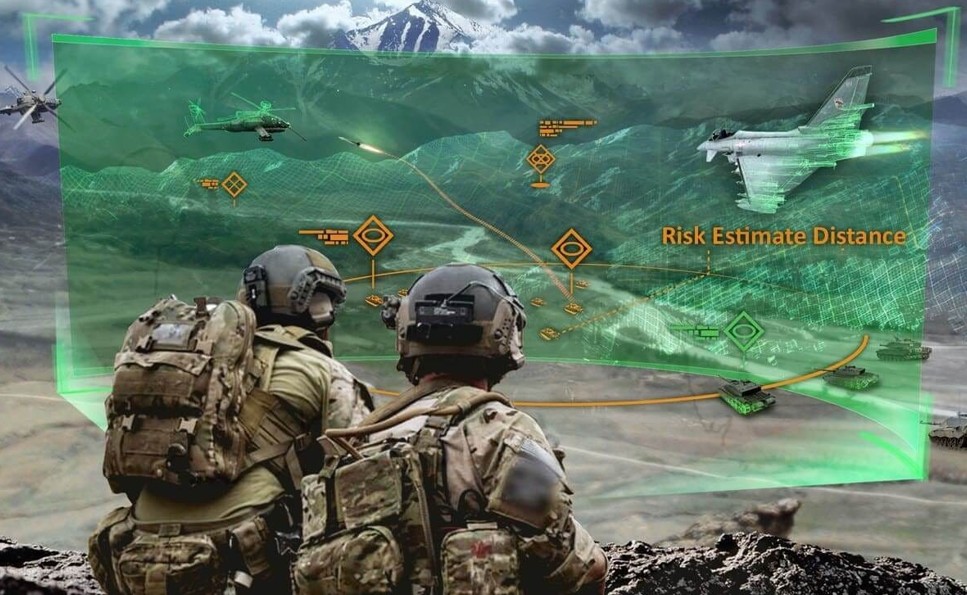
HUD Helmets: Heads-Up Displays (HUD) project maps, drone feeds, and “friendly vs. foe” markers directly onto the visor.
3. Power and Connectivity
The biggest challenge of the modern soldier is “Power Management.”
-
Smart Textiles: Uniforms integrated with conductive fibers that can charge devices or monitor the soldier’s vital signs (heart rate, hydration).
-
Wearable Batteries: Ergonomic battery packs designed to fit the curve of the spine, powering radios, tablets, and optics for 72-hour missions.
4. Exoskeletons: Enhancing Human Limits
To combat fatigue and heavy loads (often exceeding 40kg), passive and active exoskeletons are being deployed. These systems reduce the metabolic cost of walking and prevent long-term orthopedic injuries.
Lethality: The Integrated Weapon System
Small arms are now “smart.” Modern assault rifles are being equipped with Fire Control Systems (FCS) similar to tanks, calculating wind, range, and incline to ensure a “first-shot, first-hit” capability even for less experienced personnel.