T129 ATAK Specs, Weapons, Operators and the Engine Problem Behind Its Exports
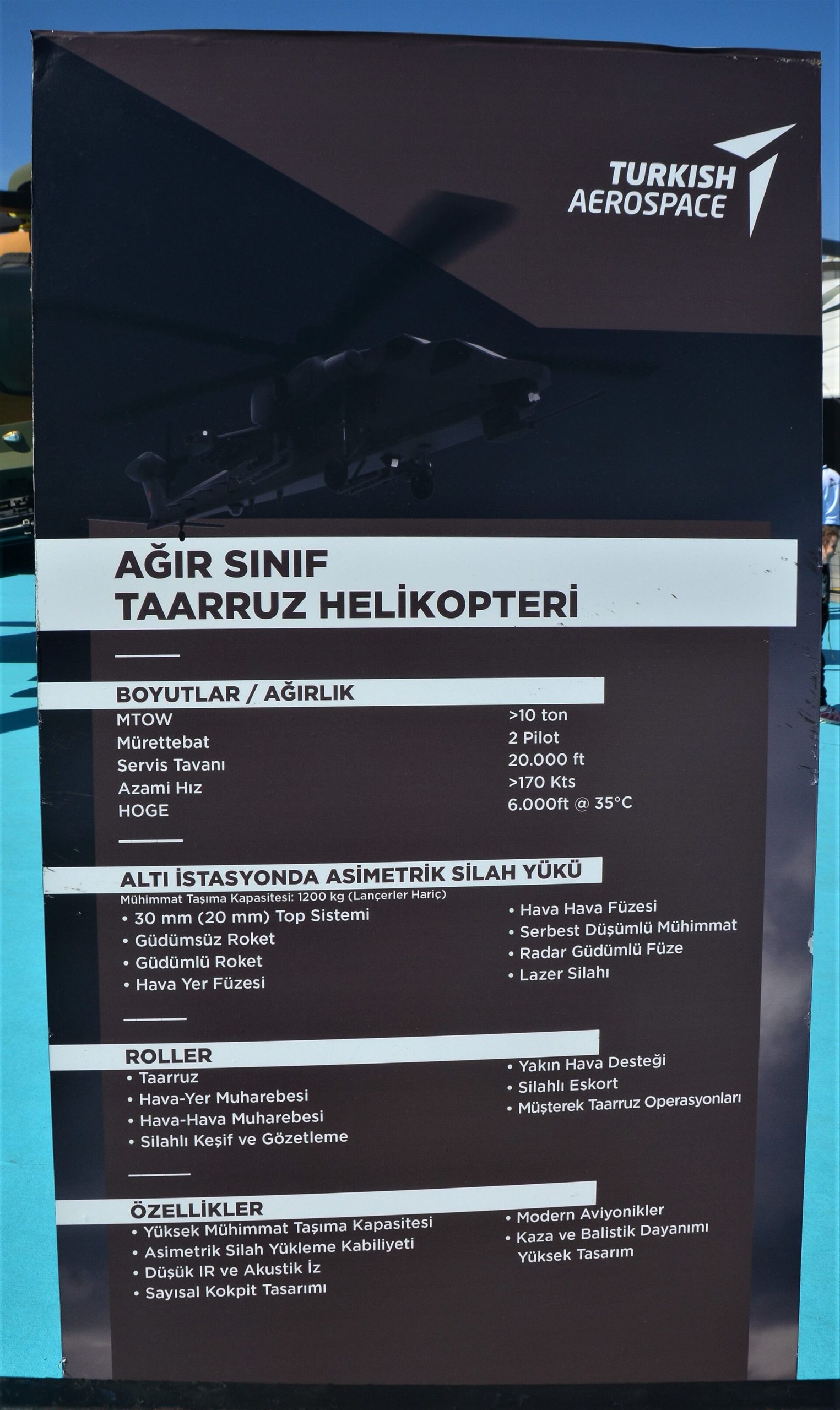
The T129 ATAK is Türkiye’s attack helicopter, developed by Turkish Aerospace (TUSAŞ) from the Italian AgustaWestland A129 Mangusta and heavily adapted for hot, high and mountainous terrain. It has become the backbone of Turkish Army aviation, fought in counter-terrorism operations at home and across the border, and opened the door to Turkish helicopter exports.
- Maker: Turkish Aerospace (TUSAŞ), based on the A129 Mangusta
- First flight: 2009; in service since 2014
- Weapons: 20 mm cannon, UMTAS/L-UMTAS, Cirit, Stinger
- Export customer: Philippines (6 helicopters)
- Export limit: US-licensed CTS800 engines
From Mangusta to ATAK
Türkiye chose the A129 design in 2007 but insisted on major changes and local production. The T129 first flew in 2009 and entered service in 2014. The later T129B version integrates a full suite of Turkish-made avionics, electronic warfare systems and weapons, reducing reliance on foreign suppliers.
Specs
The T129 is a two-seat tandem helicopter with the gunner in front and the pilot behind. It weighs about 5 tonnes at maximum takeoff and can fly at around 280 km/h. It was designed to perform well in hot weather and at high altitude, a key requirement for operations in southeastern Türkiye’s mountains.
Weapons
A chin-mounted 20 mm three-barrel cannon is backed by four weapons pylons that can carry Roketsan’s UMTAS and L-UMTAS anti-tank missiles, Cirit laser-guided 70 mm rockets, unguided rockets and Stinger air-to-air missiles. Helmet-mounted sights and a modern targeting system allow day and night operations.
Combat record
The Turkish Army and Gendarmerie have used T129s extensively in operations against the PKK in southeastern Türkiye and northern Iraq and in cross-border operations in Syria. One was lost in Syria in 2018, but the fleet has generally proven reliable in demanding conditions.
Exports and the engine issue
The T129’s biggest obstacle abroad has been its engines. It uses two LHTEC CTS800-4A turboshafts, produced by a US-British joint venture, so exports need US approval. That approval was not granted for a planned sale of 30 helicopters to Pakistan, which was eventually cancelled. The Philippines did buy six T129s, delivered in 2022 and 2023, making it the first foreign operator.
What’s next
To remove that dependence, Türkiye has been developing domestic helicopter engines and a heavier attack helicopter known as ATAK-2. If a Turkish-made engine becomes available, the T129 and its successors could compete far more freely on the export market.
Why it matters
The T129 shows both the strengths and limits of Türkiye’s defense industry: impressive local integration of weapons and electronics, but continued vulnerability where key components, especially engines, still come from abroad.
Featured image: CeeGee / CC BY-SA 4.0, via Wikimedia Commons