Tu-95MS Bombers Fly 13-Hour Patrol Over Bering and Chukchi Seas, Russia Says
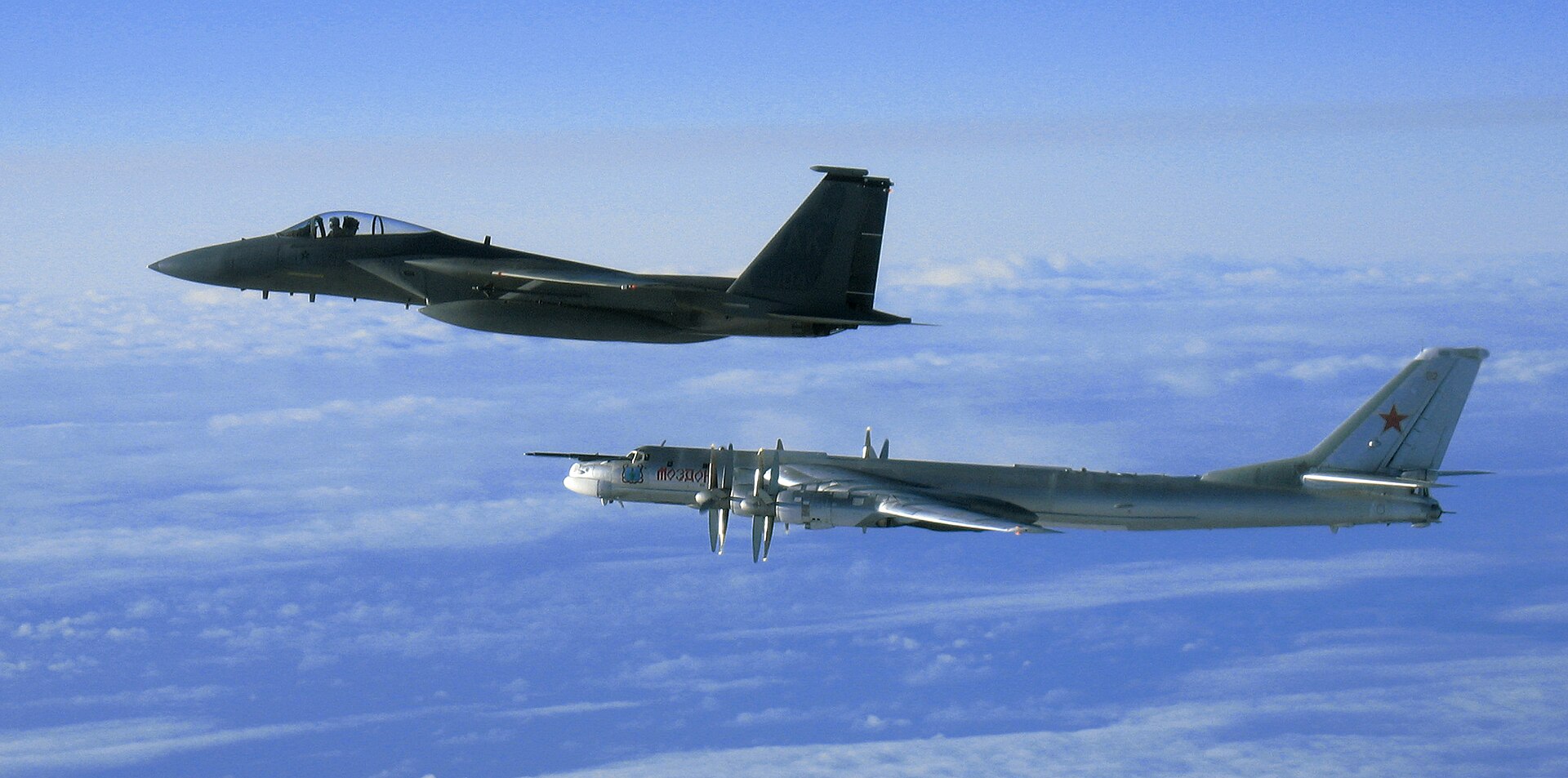
Russian Tu-95MS strategic bombers have carried out a long-range patrol over the neutral waters of the Bering and Chukchi seas, Russia’s Defence Ministry said on its official Telegram channel on 26 October 2026, describing the mission as a planned flight that lasted more than 13 hours.
- Aircraft: Tu-95MS strategic missile carriers of Russia’s Long-Range Aviation
- Area: neutral waters of the Bering Sea and Chukchi Sea
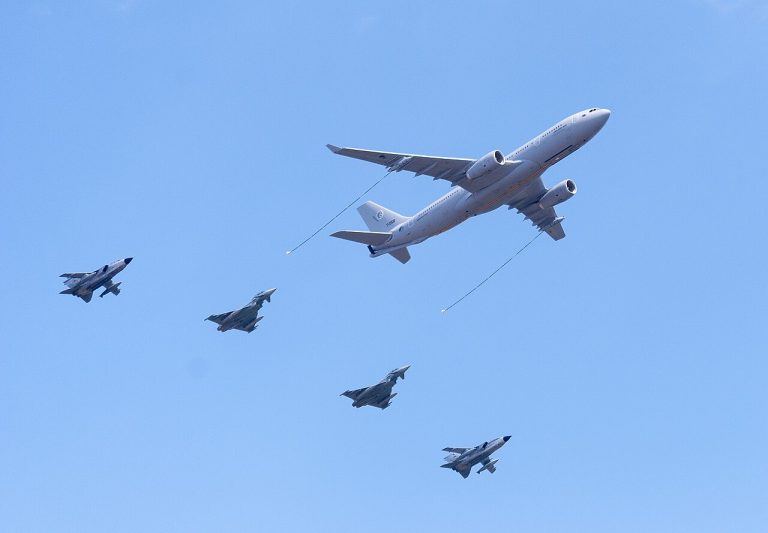
- Duration: more than 13 hours, with in-flight refuelling
- Escort: Su-35S fighters; foreign fighters shadowed the bombers on parts of the route
- Source: Russian Defence Ministry, official Telegram channel, 26 October 2026
What Russia’s Defence Ministry said
According to the ministry, the bombers were airborne for more than 13 hours and refuelled in flight during the mission. Su-35S fighter crews of the Russian Aerospace Forces provided escort. The statement added that at certain stages of the route the bombers were accompanied by fighter aircraft of foreign states, without naming the countries involved. The ministry described the flight as planned and said that all flights by Russian Aerospace Forces aircraft are carried out in strict accordance with international rules for the use of airspace.
A routine but closely watched mission
Moscow says its Long-Range Aviation crews regularly fly over the neutral waters of the Arctic, the North Atlantic, the Pacific Ocean and the Baltic and Black seas. Flights over the Bering and Chukchi seas take Russian bombers close to Alaska, an area where the North American Aerospace Defense Command (NORAD) routinely tracks and, when it judges necessary, intercepts Russian military aircraft approaching the Alaskan Air Defence Identification Zone. Such identification zones lie in international airspace and are not part of sovereign territory. No statement from NORAD or the US military on this specific flight had been seen at the time of writing.
The Tu-95MS and its role
The Tu-95MS, known to NATO as the Bear-H, is a four-engine turboprop strategic bomber and cruise-missile carrier that remains a core component of the air leg of Russia’s nuclear triad. Despite the airframe’s age, the type has been repeatedly modernised and continues to fly long-range patrols that demonstrate reach and readiness. Long missions with aerial refuelling, such as the one described on Monday, also serve as training for crews and tanker units.
What to watch
Russian strategic bomber flights near Alaska and other NATO-adjacent regions tend to draw official responses from the countries whose fighters were scrambled. Any confirmation from NORAD or Canadian and US authorities would clarify which aircraft shadowed the Tu-95MS formation and where the encounters took place.
Featured image: U.S. Air Force / Public domain, via Wikimedia Commons