

US-Iran War: The Latest Situation – Strikes Paused, But ‘Decapitation’ Threats Loom
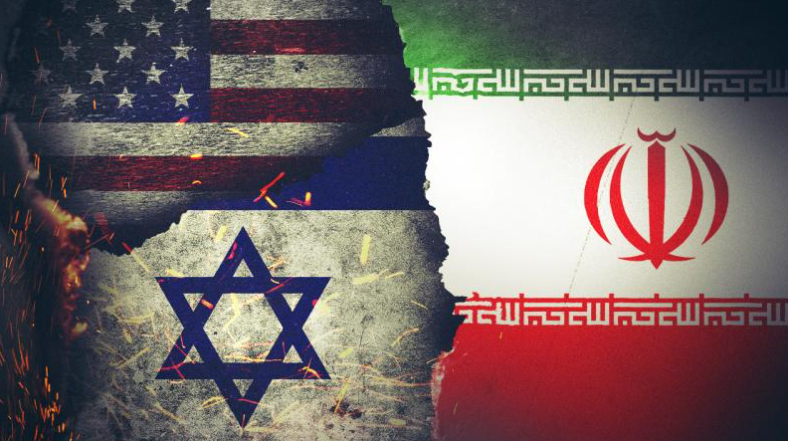
As the devastating conflict enters its sixth month, a planned massive US bombing campaign is halted amid tense Strait of Hormuz negotiations—but regional proxy attacks continue unabated.
WASHINGTON / TEHRAN — The tactical landscape of the US-Iran war remains exceptionally volatile. Following a weekend of intense brinkmanship that nearly resulted in what U.S. President Donald Trump described as the “biggest attack since World War II” against Iranian energy infrastructure, a fragile pause in major American airstrikes holds—for now. However, multi-front skirmishes involving regional proxies, ballistic missile exchanges, and naval blockades continue to destabilize the broader Middle East.
Here is the latest intelligence on the ground, the geopolitical maneuvering, and the defense technology shaping the conflict as of August 4, 2026.
The “Decapitation” Ultimatum
Over the weekend, U.S. and Israeli forces reportedly finalized preparations for a massive wave of coordinated bombings aimed at crippling Iran’s energy sector. The operation was aborted at the eleventh hour following urgent mediation by regional players, including Saudi Arabia, Oman, and Qatar. President Trump indicated that a rough framework for a deal had been reached, centered on the denuclearization of Iran and the immediate reopening of the Strait of Hormuz—a vital maritime chokepoint currently suffocated by an Iranian blockade.
However, tensions flared dramatically by Monday. Frustrated by Tehran’s public denials of direct negotiations, President Trump issued a stark warning from the White House, stating that Iran’s leadership was facing a “last chance before decapitation.” U.S. military assets in the region remain “locked and loaded,” according to Pentagon officials, ready to strike if the Wednesday deadline for a Hormuz agreement passes without resolution.
Proxy Warfare & Naval Threats
While direct U.S.-Iran mainland strikes have temporarily paused, the proxy war is actively expanding across multiple domains:
- Houthi Drone Strikes: Yemen’s Iran-backed Houthi rebels claimed a successful UAV strike on a “sensitive target” at Najran Airport in southern Saudi Arabia on Tuesday, prompting an immediate suspension of airport operations.
- Maritime Escalation: Houthi forces have intensified their maritime blockade. On Tuesday, an Indian mechanized sailing vessel, the MSV Faize Noore Oliya, was sunk by a projectile near Yemeni waters. The 14 crew members were rescued by the Yemeni Coast Guard.
- Base Under Fire: Unconfirmed reports on Tuesday also indicated sporadic attacks against a U.S. military base in Kuwait, underscoring the porous security environment across the Arabian Peninsula.
TECH BRIEF: The Arsenal in Play
The technological dimensions of this conflict have tested global defense architectures. Late July saw Iran’s Islamic Revolutionary Guard Corps (IRGC) launch ballistic missiles at a U.S. base in Jordan. While U.S. Central Command (CENTCOM) reported successful interceptions using advanced theater missile defense systems, the sheer speed of the Iranian arsenal—which the President claimed were traveling at “8,600 miles an hour” (approx. Mach 11)—has pushed allied air defense capabilities to their absolute limits.
In response, the U.S. deployed heavily, moving roughly a dozen B-1B Lancer strategic bombers to European bases and staging joint strikes with Saudi forces against IRGC logistics in eastern Iraq. The rapid deployment of F-16s and Patriot batteries to allied nations, including Northern Cyprus and Turkey, highlights the vast NATO sensor-to-shooter network currently activated.
The Strategic Toll
The human and financial costs of the conflict have grown staggering. Since the war began in late February 2026—sparked after U.S.-Israeli strikes killed several high-ranking Iranian officials, including the Supreme Leader—the U.S. has suffered 18 service members killed in action and over 600 wounded.
The financial burden has already surpassed $113 billion. In response to the prolonged engagement, the Trump administration has requested a record-shattering $1.5 trillion defense budget for the next fiscal year, signaling a major paradigm shift in modern U.S. military spending.
As Wednesday approaches—the reported deadline for a potential breakthrough on the Strait of Hormuz—the global defense community watches closely. Whether the current pause translates into a lasting ceasefire or collapses into a catastrophic regional conflagration remains entirely uncertain.