Top 10 Most Expensive Weapons Programs 2026
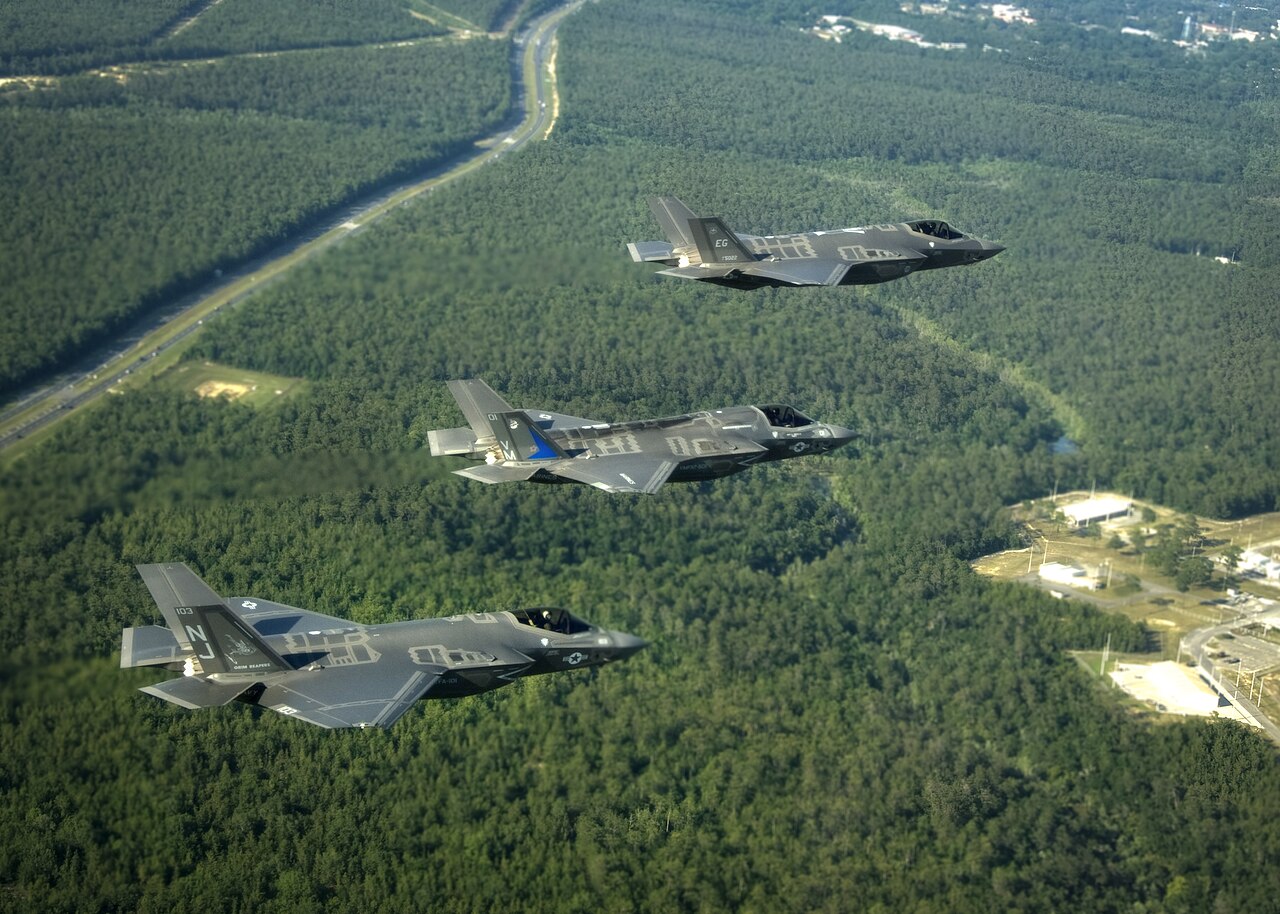
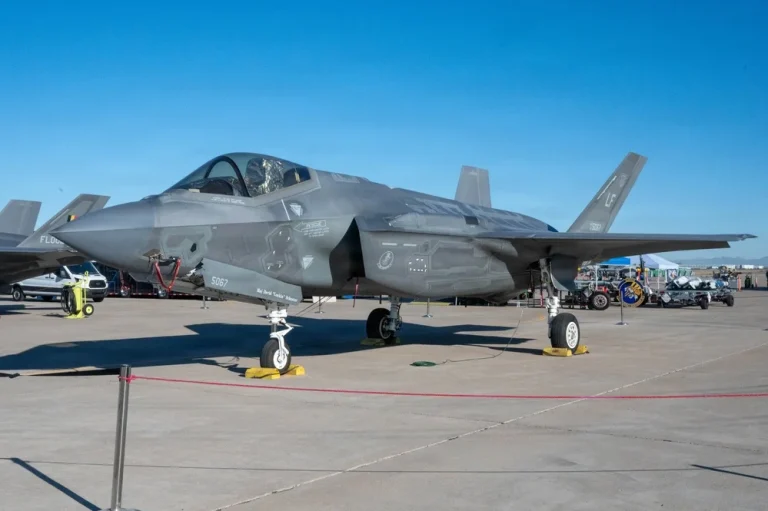
The most expensive weapons programs of 2026 are led by the F-35, whose lifetime cost is estimated near $2 trillion, with nine more programs each running into tens or hundreds of billions of dollars. This ranking orders ten programs by headline cost estimate, and it shows why procurement budgets, more than technology, now set the limits of military power.
How this ranking works
Programs are ordered by the most widely cited public cost estimate, whether it covers development, procurement or full lifetime operation. Because bases differ, each entry notes what is counted, and all numbers are rounded estimates that change with inflation and program restructuring. Programs with classified or undisclosed budgets are included only where an official or widely reported figure exists. Consistent with this site’s editorial policy, companies and platforms headquartered in Israel are excluded from consideration.
Most expensive weapons programs ranked
| Rank | Program | Lead nation | Headline cost estimate | What is counted |
|---|---|---|---|---|
| 1 | F-35 Lightning II | USA and partners | About $2 trillion | Lifetime cost including operation and support |
| 2 | AUKUS nuclear submarine pathway | Australia, UK, USA | About A$268 to 368 billion | Australian government estimate through the 2050s |
| 3 | B-21 Raider | USA | About $200 billion, reported | Program estimate for 100 or more aircraft |
| 4 | Golden Dome missile defense | USA | About $175 billion, official estimate | Announced architecture; independent estimates are far higher |
| 5 | Sentinel ICBM | USA | About $141 billion | Program estimate after the 2024 review |
| 6 | Columbia-class submarines | USA | Roughly $130 billion | Twelve boats, acquisition estimate |
| 7 | Future Combat Air System | France, Germany, Spain | Over 100 billion euros, reported | Overall estimate; program in doubt |
| 8 | Ford-class carriers | USA | Roughly $50 billion | First four ships |
| 9 | GCAP fighter | UK, Italy, Japan | UK commitment about 12 billion pounds to 2035 | Partner share only; total is higher |
| 10 | Zumwalt-class destroyers | USA | Roughly $23 billion | Three ships plus development |
The F-35 tops the list because sustaining a fleet of more than 2,000 aircraft for decades dwarfs the purchase price, which is itself roughly $400 billion for the US fleet. Australia’s submarine pathway, a multi-decade plan to acquire and build nuclear-powered boats with the UK and US, is the largest single naval commitment in its history.
The B-21 Raider is widely reported near $200 billion, with unit cost well below that of earlier stealth bombers but far above its initial targets. Golden Dome, announced in 2025 with an official estimate of $175 billion, is the newest entry, and independent analysts argue the space-based elements could cost much more.
Sentinel, meant to replace the Minuteman III, breached cost limits in 2024 and was restructured. Columbia-class submarines will carry most of the US sea-based deterrent, and Europe’s FCAS has been hit by industrial disputes. The Ford-class carriers and Britain’s commitment to the GCAP fighter follow, and the Zumwalt destroyers close the list as a reminder that even small fleets can be costly.
Why are weapons programs so expensive
| Driver | Effect |
|---|---|
| Lifetime support | Operation and maintenance typically outweigh purchase cost on long-lived platforms |
| Technology risk | New stealth, propulsion and sensor systems add redesigns and delays |
| Low production rates | Small fleets spread fixed costs across fewer units |
| Requirement growth | Changing specifications during development raise prices |
| Industrial base limits | Few shipyards and suppliers can build submarines, carriers or solid rocket motors |
The pattern is consistent. Early estimates are optimistic, requirements expand and a thin supplier base raises prices. Shipbuilding is an especially hard case, as our top 10 defense budgets ranking implies: even the largest budgets must trade one big program against another.
Which expensive programs are at risk
FCAS is the most exposed, with partners disagreeing on leadership and workshare. Sentinel and Columbia face schedule pressure as the industrial base stretches, and Golden Dome’s scope is still being defined. The F-35 is unlikely to be cancelled, but future buys may shrink if upgrades and sustainment costs keep climbing. Carrier programs such as those in our coverage of USS John F. Kennedy show that delays are as costly as design changes.
China and Russia also spend heavily on strategic systems, but their program costs are not transparent, so they are not ranked here.
Expensive weapons programs frequently asked questions
What is the most expensive weapons program ever?
The F-35, with a lifetime cost estimate of about $2 trillion including operation and support.
How much does the B-21 Raider cost?
Program estimates are reported near $200 billion for the planned fleet, and unit costs are a fraction of that.
Why did Sentinel cost so much more than planned?
The Pentagon reported an estimate of about $141 billion in 2024 after a cost breach linked to new silos and infrastructure.
Are Russian and Chinese programs on this list?
No, because their costs are not transparent enough for a reliable ranking.
What is the most expensive weapon system per unit?
Aircraft carriers, at roughly $13 billion for the lead Ford-class ship.
- US Government Accountability Office and Congressional Budget Office reports
- Department of Defense and Australian Government statements
- Wikipedia – class and program articles (accessed October 2026)
- Defence & Tech reporting