Top 10 Largest Defense Budgets in 2026
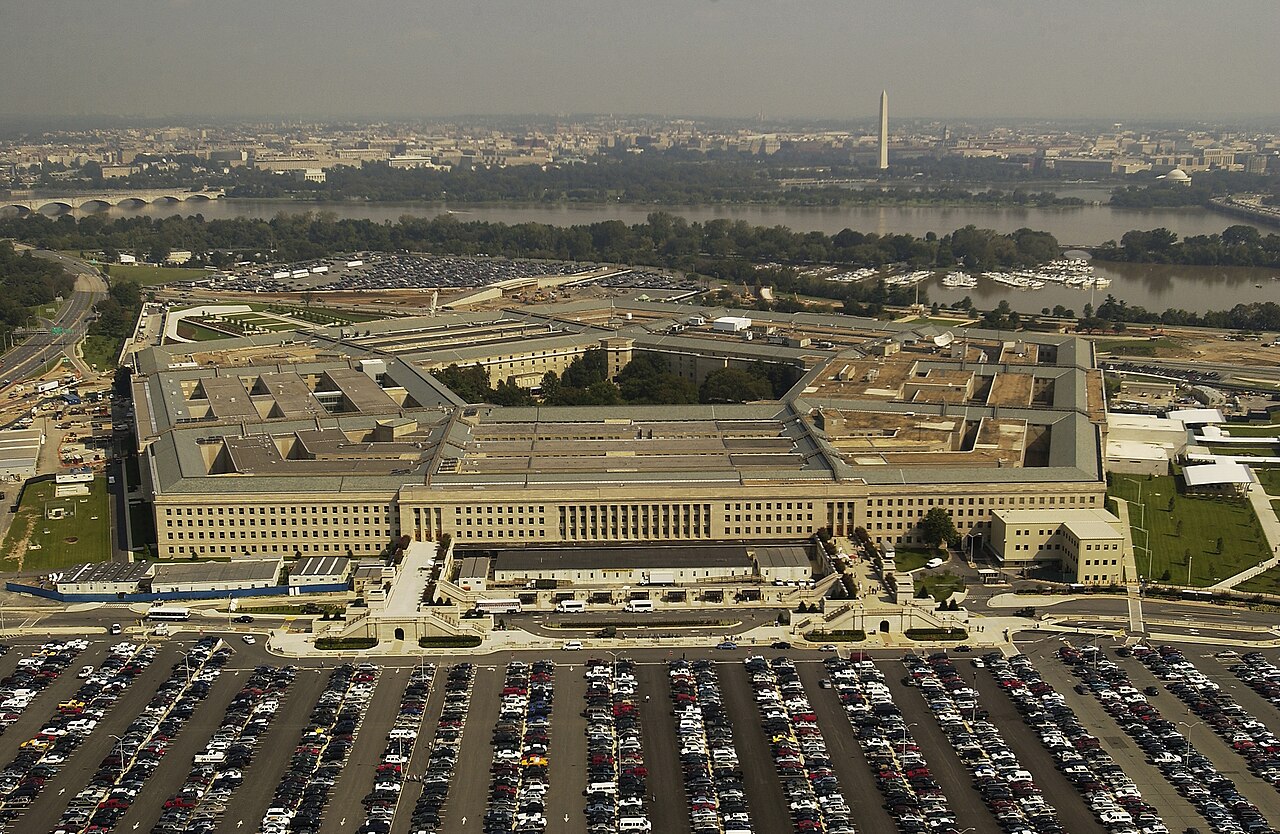
The world’s ten largest defense budgets will together spend well over $2 trillion in 2026, led by a United States budget approaching the $1 trillion mark for the first time. Global military spending has now risen for more than a decade straight, and the 2026 ranking shows the rearmament wave reaching from Washington and Beijing to Berlin, Warsaw’s neighborhood and Tokyo.
How this ranking works
The ranking orders countries by total military expenditure planned or enacted for 2026, drawing on national budget documents and the standardized estimates that reference bodies such as SIPRI publish for the most recent complete year. Where official figures understate real spending, notably for China and Russia, we note the independent estimate alongside the official one, and all conversions to dollars are approximate, exchange rates alone can move a country a place or two. Announced multi-year pledges count only insofar as money is actually budgeted for 2026. Consistent with this site’s editorial policy, Israel and companies or platforms headquartered there are excluded from consideration.
The top ten defense budgets
| Rank | Country | Approx. budget | Trend |
|---|---|---|---|
| 1 | United States | ~$960 billion-$1 trillion | Record request, Golden Dome missile defense and shipbuilding push |
| 2 | China | ~$250B official, $300B+ estimated | Three decades of near-uninterrupted growth |
| 3 | Russia | ~$150-170 billion | War economy, roughly a third of federal spending |
| 4 | Germany | ~$95-110 billion | Fastest riser in the top ten, special funds plus NATO pledges |
| 5 | India | ~$85-90 billion | Steady growth, pay and pensions still dominate |
| 6 | United Kingdom | ~$80-85 billion | Rising toward 2.5 percent of GDP and beyond |
| 7 | Saudi Arabia | ~$78-82 billion | Consistently the Gulf’s largest spender |
| 8 | France | ~$65-70 billion | Military programming law lifts spending yearly |
| 9 | Ukraine | ~$65 billion domestic | Over a quarter of GDP, excluding foreign aid |
| 10 | Japan | ~$60 billion | Record budgets on the path toward 2 percent of GDP |
The American number dwarfs everything, roughly equal to the next nine combined, and funds the forces behind the world’s leading navy and air force simultaneously. China’s official figure has grown around 7 percent annually for years, and independent estimates that add paramilitary forces, research and subsidized procurement push the real total well past $300 billion. Russia’s budget, swollen by the Ukraine war, now consumes a share of state spending unseen since Soviet times, though what a dollar buys in each country differs enormously, purchasing-power adjustments would lift both Beijing and Moscow further.
The middle of the table is where 2026 differs from any ranking of the 2010s. Germany’s climb toward and past the $100 billion mark makes it Europe’s largest spender, India funds a million-plus force and a naval buildup, and Ukraine’s domestic figure, over a quarter of its GDP, excludes the tens of billions in allied equipment that arrive on top. Japan’s record budgets would have been politically unthinkable a decade ago.
What the numbers hide
Raw totals mislead in three ways. Personnel costs absorb wildly different shares, a large fraction of India’s budget pays salaries and pensions while Gulf states buy hardware with most of theirs. Purchasing power varies, a Chinese or Russian soldier, shell or shipyard hour costs a fraction of its American equivalent, so estimated budgets understate real output. And off-budget channels, special funds, paramilitaries, subsidized industry, mean official figures for several countries are floors, not ceilings. Spending also translates into power only through industry, which is why budget rankings track loosely with the largest defense companies but not one-to-one.
Why budgets are exploding
Three engines drive the surge. The Ukraine war normalized wartime spending levels across Europe and emptied stockpiles that now cost fortunes to refill. NATO’s 2025 summit pledges committed members to spending trajectories once reserved for front-line states, with core defense targets rising toward 3.5 percent of GDP. And in Asia, China’s buildup pulls Japan, India, Taiwan and Australia upward in response, an interactive spiral with no obvious ceiling. The procurement boom behind the fighter and shipbuilding markets is the direct product of these budgets, and every entry on this list is buying more of both.
Defense budgets frequently asked questions
Which country has the largest defense budget in 2026?
The United States, at roughly $960 billion to $1 trillion including supplemental funding, about as much as the next nine countries combined.
How much does China really spend on defense?
The official 2026-era budget is around $250 billion, but independent estimates that include off-budget items put real spending above $300 billion.
Who spends the most in Europe?
Germany, whose combination of regular budget, special fund and NATO commitments pushes planned spending near or past the $100 billion mark.
What share of GDP does Russia spend on defense?
Independent estimates put it around 6-7 percent of GDP and roughly a third of federal spending, wartime levels unseen since the Soviet era.
Does Ukraine’s figure include Western aid?
No. The roughly $65 billion is domestic spending alone; allied military assistance arrives on top of it.
- National 2026 budget documents and defense ministry statements
- SIPRI Military Expenditure Database (latest complete year)
- NATO defence expenditure reporting
- Defence & Tech reporting on rearmament programs