
MASTERS OF THE SKIES: THE STRATEGIC EVOLUTION OF GLOBAL AIR POWER
GLOBAL AEROSPACE DESK — In modern warfare, the battle is often won or lost before the first ground troop crosses the border. Air Power is the ability to project military force from the third dimension—the air and near-space—to influence the course of a conflict. From rapid humanitarian response to strategic deep strikes, a modern Air Force is the fastest and most flexible tool in a nation’s defense arsenal.
What Defines a Modern Air Force?
An Air Force is an integrated branch of the military primarily tasked with aerial warfare. However, its mission has expanded far beyond simple dogfights. Today, it encompasses Electronic Warfare (EW), Satellite Reconnaissance, and Unmanned Systems, creating a “Multi-Domain” force that controls the information flow of the entire battlefield.
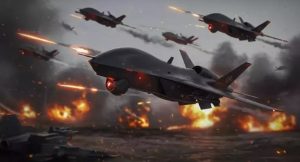
Key Pillars of Global Air Power
To understand how an Air Force operates, we must look at its core functional areas:
1. Air Superiority & Interception
The primary mission is to control the skies. Without air superiority, ground and naval forces are vulnerable.
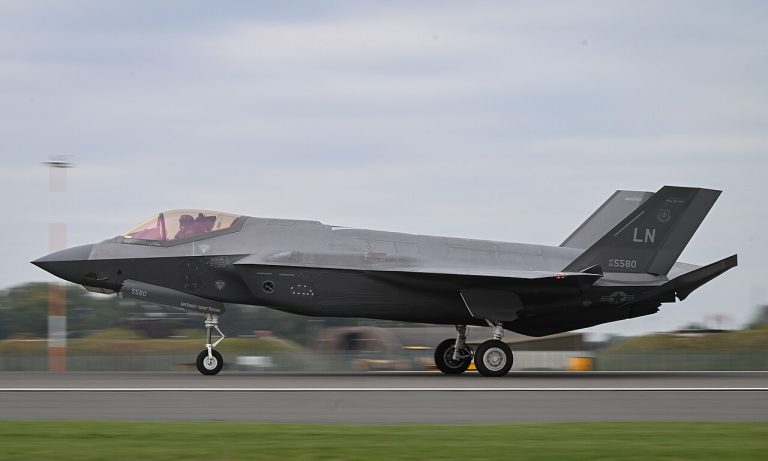
Fighters: High-speed, agile aircraft designed to engage other aircraft (Air-to-Air).
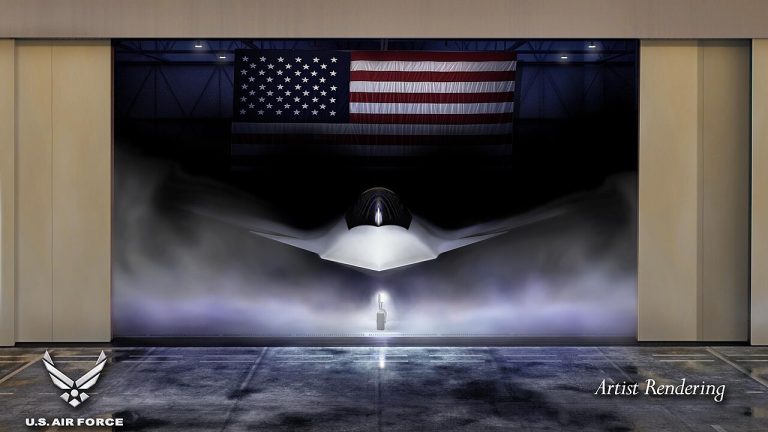
Stealth Technology: The ability to operate deep within enemy airspace without being detected by radar, a hallmark of 5th and 6th generation jets.
2. Strategic Strike & Tactical Support
Projecting power over long distances or supporting troops on the ground.
Bombers: Large, long-range aircraft capable of carrying massive payloads to destroy strategic infrastructure.
Close Air Support (CAS): Aircraft designed to fly low and slow to provide direct fire support for infantry and tanks.
3. Intelligence, Surveillance, and Reconnaissance (ISR)
The “Eyes in the Sky.” Using high-altitude planes and drones to gather real-time data, intercept communications, and map enemy movements.
4. Aerial Mobility & Logistics
The backbone of global operations. The ability to transport thousands of troops and tons of equipment across continents in hours, not weeks.
[Image comparing a heavy strategic transport aircraft and a stealth fighter jet]
The Unmanned Revolution: Drones and Wingmen
The most significant shift in the 2020s is the integration of Unmanned Aerial Vehicles (UAVs).
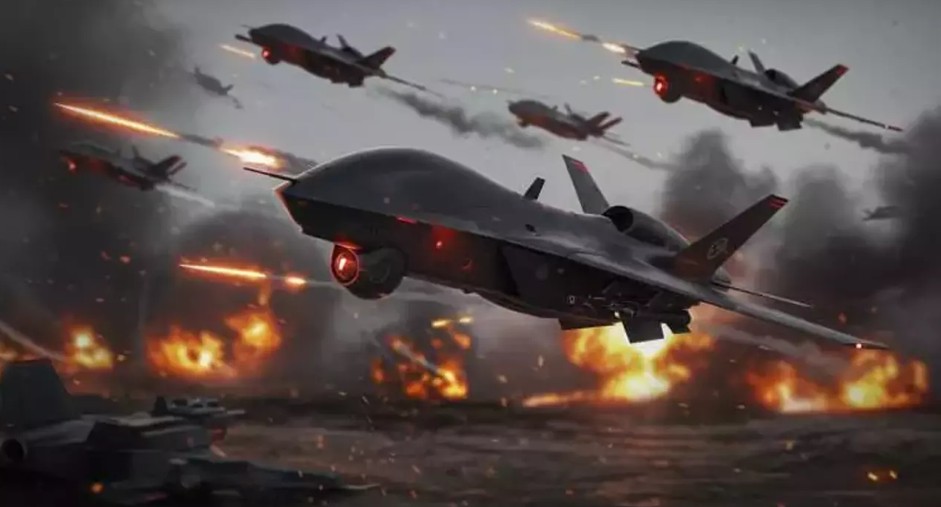
Loyal Wingman Concept: Future manned fighters will lead “swarms” of autonomous drones that perform high-risk maneuvers, act as decoys, or strike targets, keeping the human pilot out of harm’s way.
MALE & HALE Drones: Medium and High-Altitude Long-Endurance drones provide 24/7 persistence over the battlefield that no manned aircraft can match.