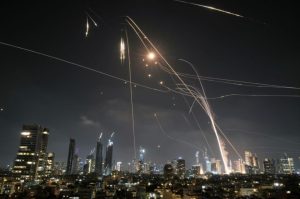

Used Against Israel for the First Time: Optical Drones Hit Kiryat Shmona


 React
React
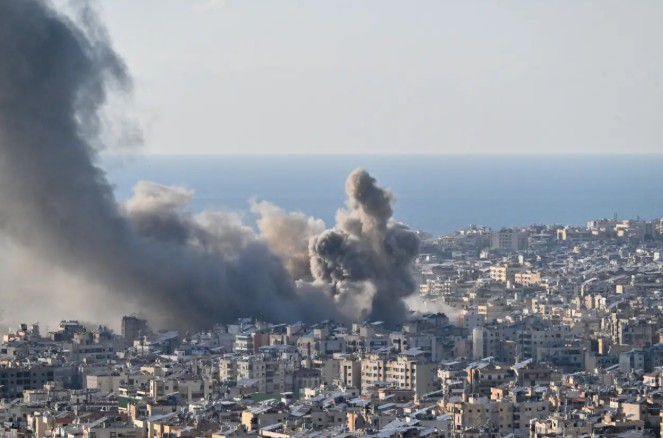
NORTHERN FRONT – In a move that signals a new and dangerous era of asymmetric warfare, Hezbollah has successfully deployed advanced “optical” drones against the Israeli city of Kiryat Shmona. According to Israeli state broadcaster KAN, out of a swarm of 40 UAVs launched on Monday, several specialized units managed to penetrate the world’s most sophisticated electronic defense network, causing significant structural damage.
The standout feature of this attack was the use of a drone that is effectively “invisible” to cyber-attacks and radio-frequency (RF) jamming.
The Fiber-Optic Revolution: Beyond the Signal
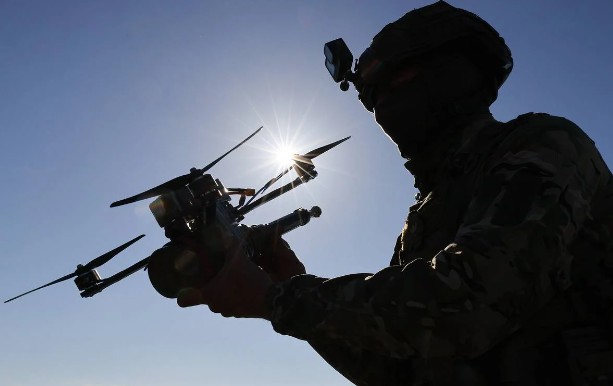
While the Iron Dome and Israeli Electronic Warfare (EW) units are highly effective at intercepting radio-controlled drones, Hezbollah’s new weapon utilizes a physical connection. Inspired by recent developments in the Ukraine-Russia conflict, these drones are controlled via a fiber-optic cable that unspools as the drone flies.
-
Immunity to Jamming: Because there is no radio signal between the pilot and the drone, GPS spoofing and frequency jamming are completely ineffective.
-
Uninterrupted Video: The pilot receives a crystal-clear, high-definition feed even in environments where RF noise would normally blind a standard FPV (First Person View) operator.
Tactical Specifications: The Building-Hunter
Reports indicate that the drone used in the Kiryat Shmona strike is not a simple reconnaissance tool but a highly specialized “urban hunter.”
| Feature | Specification | Tactical Impact |
| Explosive Payload | $5$ kg | Capable of destroying armored vehicles and breaching fortified buildings. |
| Control Method | Fiber-Optic Tether | $100\%$ resistance to Electronic Warfare (EW) and cyber-hijacking. |
| Maneuverability | High-Speed FPV | Can navigate through windows, corridors, and inside structures. |
| Operational Range | Tens of Kilometers | Allows pilots to remain in deep cover while striking deep into Israeli territory. |
The “Ukraine Effect” on Hezbollah’s Doctrine
The Israeli news outlet Globes highlighted that Hezbollah is no longer just using drones for surveillance. The group has transitioned to FPV Suicide Drones that target specific vulnerabilities in Israeli armored units—hitting tanks and armored personnel carriers at their weakest points, such as engine vents or hatch covers.
This “Ukraine-style” evolution means that even the most advanced zırhlı (armored) vehicles are now at risk from low-cost, high-precision optical systems. The pilot, wearing VR-style goggles, can track a target in real-time, executing high-speed dives that traditional air defense systems struggle to track at low altitudes.
Strategic Verdict: A Gap in the Shield?
The Kiryat Shmona strike confirms that the “high-tech” shield of the Golden Dome is being challenged by “low-tech” physical solutions. If Hezbollah can mass-produce these fiber-optic drones, the IDF’s reliance on electronic deterrence will need a radical overhaul.
For the global defense news community, the message is clear: the cable is back. In an age of total electronic warfare, the most secure signal is the one you can physically touch.
Editor’s Note: This is an exclusive report on the first documented use of tethered fiber-optic drones in the Israel-Lebanon theater. Defense & Tech will continue to monitor the IDF’s tactical response to this unjammable threat.
React