
THE GOD OF WAR: STRATEGIC DOMINANCE OF MODERN ARTILLERY SYSTEMS


 React
React
GLOBAL STRATEGY DESK — Since the dawn of organized warfare, artillery has held the title of the most lethal force on the battlefield. In the 21st century, this “God of War” is undergoing a digital renaissance. Modern artillery is no longer defined by how many shells it can fire, but by how precisely and rapidly it can neutralize a target from tens of kilometers away.
What Defines Modern Artillery?
Artillery systems are long-range weapon platforms designed to deliver indirect fire support. Unlike tanks that engage in direct sight, artillery strikes targets beyond the horizon, utilizing advanced ballistic calculations and real-time drone reconnaissance.

Key Categories of Global Artillery
The global power balance relies on three main types of artillery systems, each serving a unique tactical purpose:
1. Self-Propelled Howitzers (SPH)
These are essentially “artillery on tracks or wheels.”
-
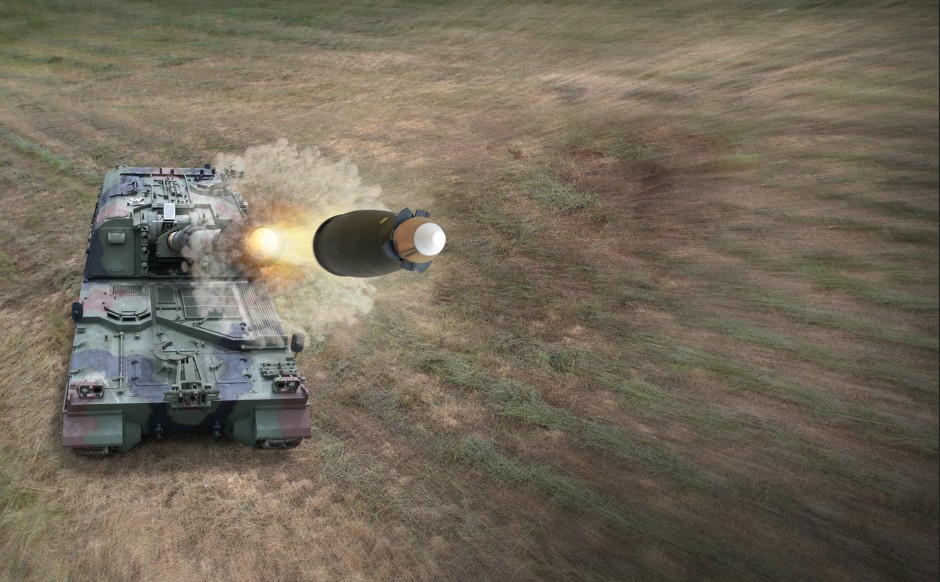
Mobility is Life: Systems like the PzH 2000 or M109 Paladin can fire and move within 60 seconds, avoiding counter-battery fire.
-
Firepower: Capable of firing multiple rounds that hit the target at the exact same moment (MRSI capability).
2. Rocket Artillery (MLRS & HIMARS)
When total saturation of an area is required, Multiple Launch Rocket Systems take the lead.
-
Precision at Scale: Modern rockets, such as those used in the HIMARS system, are GPS-guided, turning a “grid-square killer” into a surgical strike tool.
-
Range: These systems can strike targets up to 70-100 km (and much further with tactical missiles).
3. Towed Artillery
Lighter, transportable by helicopter, and ideal for rugged terrains or airborne operations.
-
Example: The M777 ultralight howitzer provides heavy fire support in mountains where heavy vehicles cannot reach.
[Image comparing a tracked self-propelled howitzer and a wheeled HIMARS rocket system]
The “Smart” Revolution: Guided Munitions
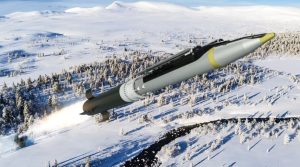
The real game-changer is not the gun, but the shell.
-
GPS & Laser Guidance: Shells like the Excalibur have a circular error probable (CEP) of less than 2 meters from a distance of 40 km.
-
Cost Efficiency: One smart shell can do the job of 50 “dumb” shells, reducing logistics strain and minimizing collateral damage.