
Syria’s Post-Assad Parliament: Diverse Female MPs Step into the Spotlight
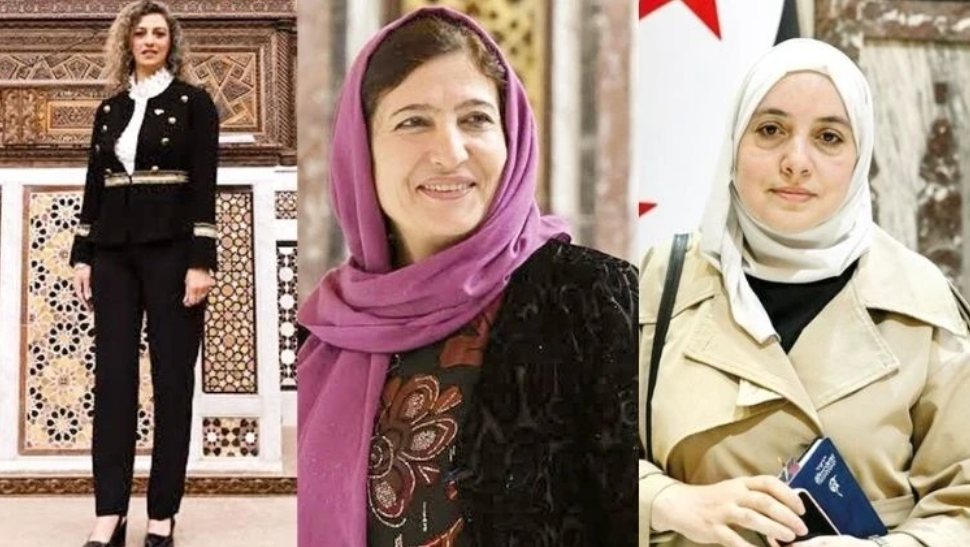
In Syria’s first parliamentary assembly following the fall of the Assad regime, female lawmakers are emerging as the prominent faces of a new political era. While the overall number of women in the legislature remains comparable to previous years, the eclectic mix of figures appointed by President Ahmed Shara serves as a strategic showcase for the administration’s message of an “inclusive Syria.”
The Faces of a “New Syria”
According to an analysis by the French news agency AFP, the roster of new parliamentarians ranges from a television actress and a Christian academic to a Kurdish politician and a niqab-wearing MP. This highly diverse tableau is widely interpreted as a direct response to longstanding criticisms regarding the underrepresentation of women and minority groups.
Out of the 207 seats in the newly formed parliament, 22 are held by women—15 of whom were directly appointed by President Shara. Although this ratio closely mirrors the demographics of the Assad era, the new leadership is deliberately leaning on distinct socio-cultural identities to project a unified and encompassing national image.
The notable appointees include television actress Rouzaina Lazkani, Christian academic Madonna Beshara (who currently serves as the deputy speaker of parliament), Kurdish politician Fasla Yusuf, novelist Nour Jendali, and Mirvat Tutu, the wife of former HTS commander Abu Omar Saraqib.
Beyond Symbolism: The Call for Real Influence
The presence of these women, each bringing a vastly different political and social background to the table, is arguably the most striking feature of the new legislative body. However, the relatively low overall number of female representatives—coupled with the fact that the majority entered parliament via presidential appointment rather than the ballot box—keeps questions alive regarding the true extent and practical application of Shara’s inclusivity pledge.
The lawmakers themselves are actively pushing for genuine impact rather than mere representation. Deputy Speaker Madonna Beshara has publicly stated that women must take on effective, active roles in the legislative process instead of serving as symbolic figures. Similarly, Kurdish politician Fasla Yusuf has emphasized the urgent need to constitutionally guarantee women’s rights in this transitional phase.
Nour Jendali, a writer who spent years opposing the former regime, remains optimistic about the potential for systemic change. Describing Assad-era MPs as mere “tools of the ruling power,” Jendali highlighted her purpose for entering the new assembly.
“We are willing to speak with one another differently and truly understand each other,” she noted, underscoring her commitment to driving meaningful transformation from within the parliament.