
Boeing Locks In Seven-Year Deal to Triple PAC-3 Seeker Output
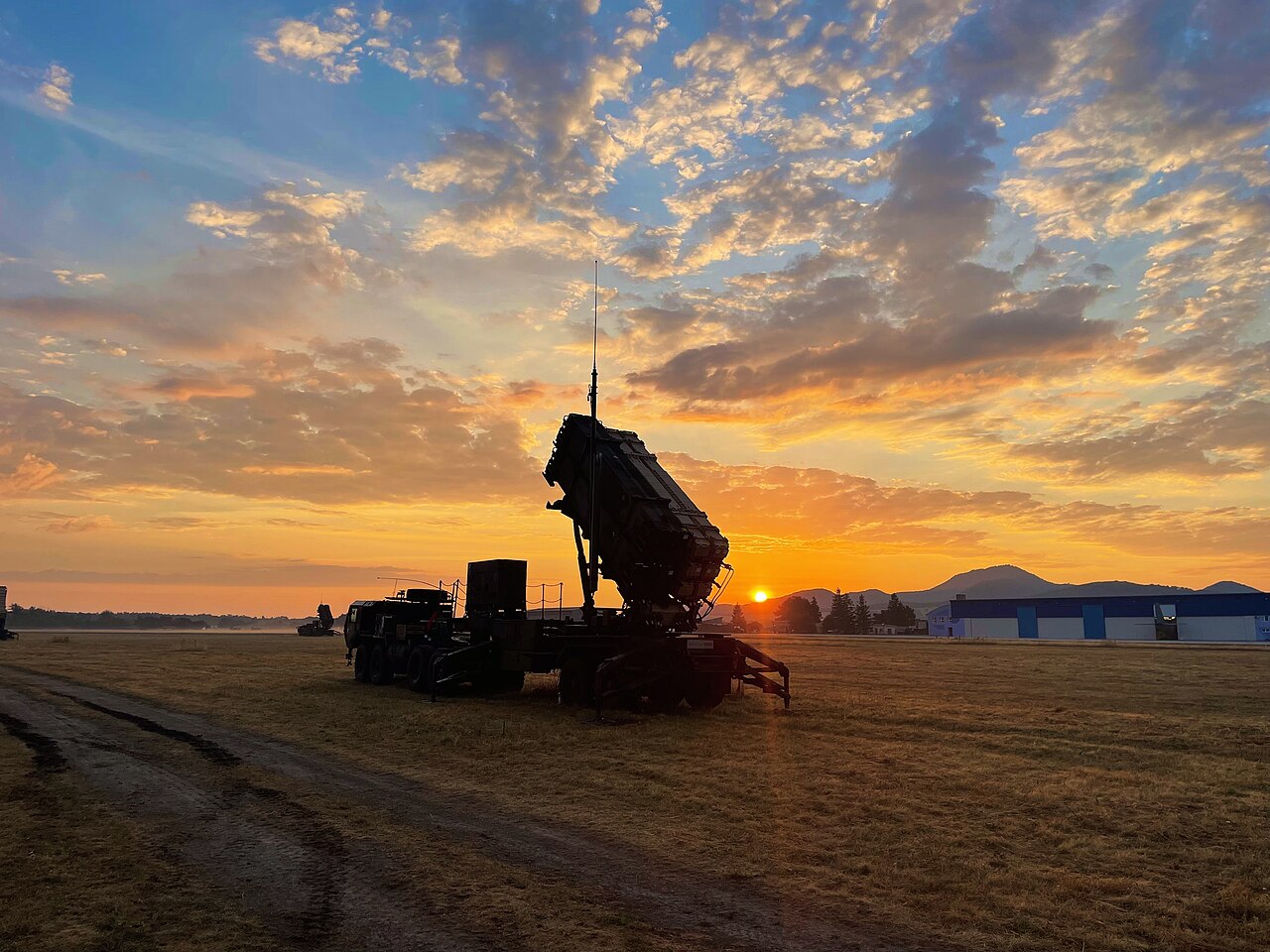
Boeing has agreed a seven-year deal, described as an undefinitized agreement worth about $14.7 billion, to triple production of the seeker used in the PAC-3 MSE interceptor. Defense News reported the agreement on October 6, 2026.
The work will take place at Boeing’s facility in Huntsville, Alabama. The deal follows a framework agreement the company signed with the Department of War in April and is meant to keep seeker output in step with Lockheed Martin’s plan to build far more PAC-3 MSE missiles.
Boeing PAC-3 Seeker Agreement Terms
| Item | Detail |
|---|---|
| Contractor | Boeing Defense, Space & Security |
| Value | About $14.7 billion (undefinitized) |
| Term | Seven years |
| Scope | Triple production of PAC-3 MSE seekers |
| Work location | Huntsville, Alabama |
| Earlier step | Seven-year framework signed with the Department of War in April 2026 |
| Reported | October 6, 2026 |
“Early investment and a relentless focus on quality and execution have positioned us to now deliver seekers at unprecedented levels in the near-term,” said Steve Parker, president and CEO of Boeing Defense, Space & Security.
Boeing has said it raised seeker deliveries by more than 30 percent in 2025 and has invested more than $200 million in Huntsville since 2024, including a 35,000-square-foot expansion. The October agreement turns the April framework into a longer-term commitment, according to Defense News.
What the PAC-3 Seeker Does
The seeker is the radar sensor in the nose of the missile. It finds, tracks and steers the interceptor onto its target in the final seconds of an engagement. PAC-3 MSE seekers are designed to engage ballistic missiles, hypersonic threats and aircraft, and the missile kills by direct body-to-body impact using a two-pulse solid rocket motor.
A seeker is one of the components that limits how quickly a finished missile can be built. Lockheed Martin assembles the all-up round, but it cannot ship a missile without one. That is why the supplier agreement matters to the whole production chain.
Matching Lockheed Martin’s Missile Surge
Lockheed Martin announced in January a seven-year framework agreement to lift annual PAC-3 MSE production from about 600 missiles to 2,000. A tripling of seekers is the corresponding step on the supplier side. The two plans are separate agreements, and Lockheed Martin remains the prime contractor for the missile.
| Item | Lockheed Martin (missile) | Boeing (seeker) |
|---|---|---|
| Agreement length | Seven years (framework, January 2026) | Seven years (framework in April, agreement in October 2026) |
| Production goal | About 600 to 2,000 missiles a year | Triple current seeker output |
| Status | Framework agreement | Undefinitized agreement worth about $14.7B |
| Role | Prime contractor, all-up round | Seeker supplier, Huntsville |
Boeing Company Profile
| Item | Detail |
|---|---|
| Headquarters | Arlington, Virginia |
| Founded | 1916 |
| Segments | Commercial Airplanes; Defense, Space & Security; Global Services |
| Known defense programmes | F-47, F/A-XX, F-15EX, KC-46, AH-64 Apache, PAC-3 seekers |
Why Interceptor Supply Is the Bottleneck
Patriot interceptors have been used heavily in recent conflicts, and governments in Europe and Asia have joined the queue for them. The Pentagon has also faced questions about relying on costly interceptors against cheaper threats, which Defense News links to Operation Epic Fury. Seekers, rocket motors and final assembly all have to grow together for any of that demand to be met. That reading is analysis, not a company claim.
Our earlier coverage looks at the Patriot system, its variants and operators and at Europe’s SAMP/T alternative.
PAC-3 Seeker Agreement FAQ
What did Boeing agree to?
A seven-year agreement, described as undefinitized and worth about $14.7 billion, to triple production of PAC-3 MSE seekers in Huntsville, Alabama.
What is a missile seeker?
The sensor in the nose of a missile that detects, tracks and guides it onto its target.
Does Boeing build the whole PAC-3 missile?
No. Lockheed Martin builds the PAC-3 MSE interceptor. Boeing supplies the seeker.
What does undefinitized mean?
The parties have agreed to proceed before final terms and pricing are settled.
How many PAC-3 missiles does Lockheed Martin plan to build?
Lockheed Martin has announced a framework to raise annual output from about 600 to 2,000 interceptors.
- Defense News – “Boeing locks in 7-year deal to triple PAC-3 MSE seeker output” (October 6, 2026): defensenews.com
- Boeing – “Boeing and Department of War sign 7-year framework to expand PAC-3 seeker production” (April 2026): boeing.com
- Defense News – “Pentagon, Boeing agree to triple PAC-3 seeker production” (April 1, 2026)
- Wikipedia – Boeing (company data)