STANAG 4569 Armored Vehicle Protection Levels Explained
STANAG 4569 is the NATO standard that grades armored vehicle protection in six ballistic levels, from Level 1 against 7.62 mm rifle rounds to Level 6 against 30 mm armor-piercing cannon fire. It also rates protection against artillery fragments and mines, which is why the same vehicle can carry different ratings for each threat.
What is STANAG 4569
STANAG stands for Standardization Agreement, a NATO document that member nations agree to follow. Number 4569 covers the protection levels for occupants of logistics and light armored vehicles. Its technical detail sits in the Allied Engineering Publication AEP-55, which describes threats, test ranges and acceptance criteria. The goal is a common language: when a buyer asks for a Level 4 vehicle, suppliers and test houses know which threat is meant.
The standard does not specify materials or design. A steel hull, a composite tile array or an add-on kit can all qualify, as long as the test results show that the occupants survive. Levels are also tied to a specific arc, which is why ratings often come with qualifiers, such as frontal arc only.
STANAG 4569 ballistic protection levels
| Level | Representative threat | Typical range |
|---|---|---|
| Level 1 | 7.62 x 51 mm NATO ball and 5.56 mm rounds | About 30 m |
| Level 2 | 7.62 x 39 mm armor-piercing incendiary | About 30 m |
| Level 3 | 7.62 x 51 mm and 7.62 x 54R armor-piercing | About 30 m |
| Level 4 | 14.5 x 114 mm armor-piercing | About 200 m |
| Level 5 | 25 mm armor-piercing discarding sabot | About 500 m, frontal arc |
| Level 6 | 30 mm armor-piercing fin-stabilized discarding sabot | About 500 m, frontal arc |
Levels 1 to 3 cover small arms, which is the baseline for patrol vehicles and armored cars. Level 4 is the step that stops heavy machine gun fire of the 14.5 mm class, common on Soviet-legacy vehicles. Levels 5 and 6 belong to infantry fighting vehicles and are almost always frontal-arc ratings, because armor needed all around would make a vehicle too heavy.
Artillery protection is graded separately. The test uses 155 mm shell fragments, with the required standoff distance shrinking from roughly 100 meters at Level 1 to around 30 meters at Level 4. The closer the shell can burst without hurting the crew, the higher the rating.
STANAG 4569 mine protection levels
| Level | Charge | Location of blast |
|---|---|---|
| Level 1 | About 2 kg | Under any part of the vehicle |
| Level 2a | About 6 kg | Under a wheel or track |
| Level 2b | About 6 kg | Under the center of the belly |
| Level 3a | About 8 kg | Under a wheel or track |
| Level 3b | About 8 kg | Under the center of the belly |
| Level 4a | About 10 kg | Under a wheel or track |
| Level 4b | About 10 kg | Under the center of the belly |
The letters matter. An “a” rating covers a wheel or track strike, which transfers more energy into the suspension, while a “b” rating covers a blast beneath the hull center. Buyers often specify both, since real mines land wherever the vehicle travels. A V-shaped hull, energy-absorbing seats and floating floors are the common design responses.
How are vehicles tested to STANAG 4569
Testing happens at accredited ranges, where the vehicle or a representative hull section is fired on at the specified ranges and angles. Mine tests place real charges under instrumented vehicles, with crash-test dummies recording forces. Pass criteria look at penetration, spall behind the armor and measured loads on occupants.
Because results apply to the tested configuration, a change to armor, seats or suspension can invalidate a rating. That is why manufacturers quote levels for a named variant, such as a basic hull with add-on kits. Some nations also run their own national schemes, and some exporters publish only partial details, for security reasons.
Which vehicles use STANAG 4569 ratings
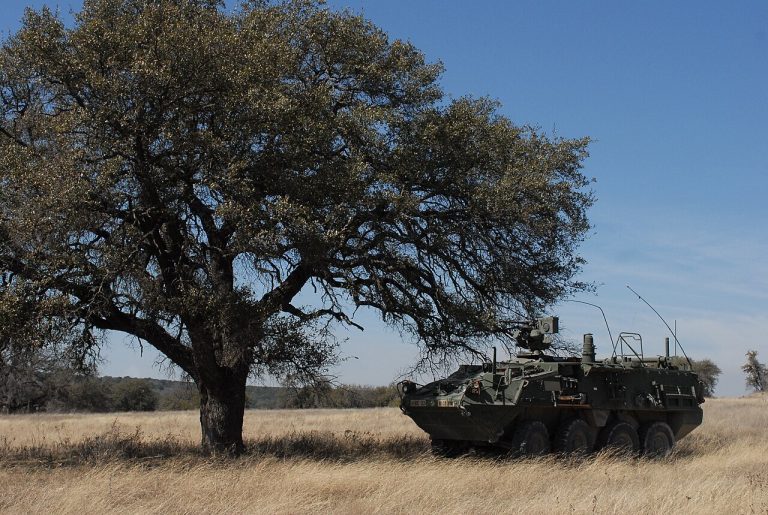
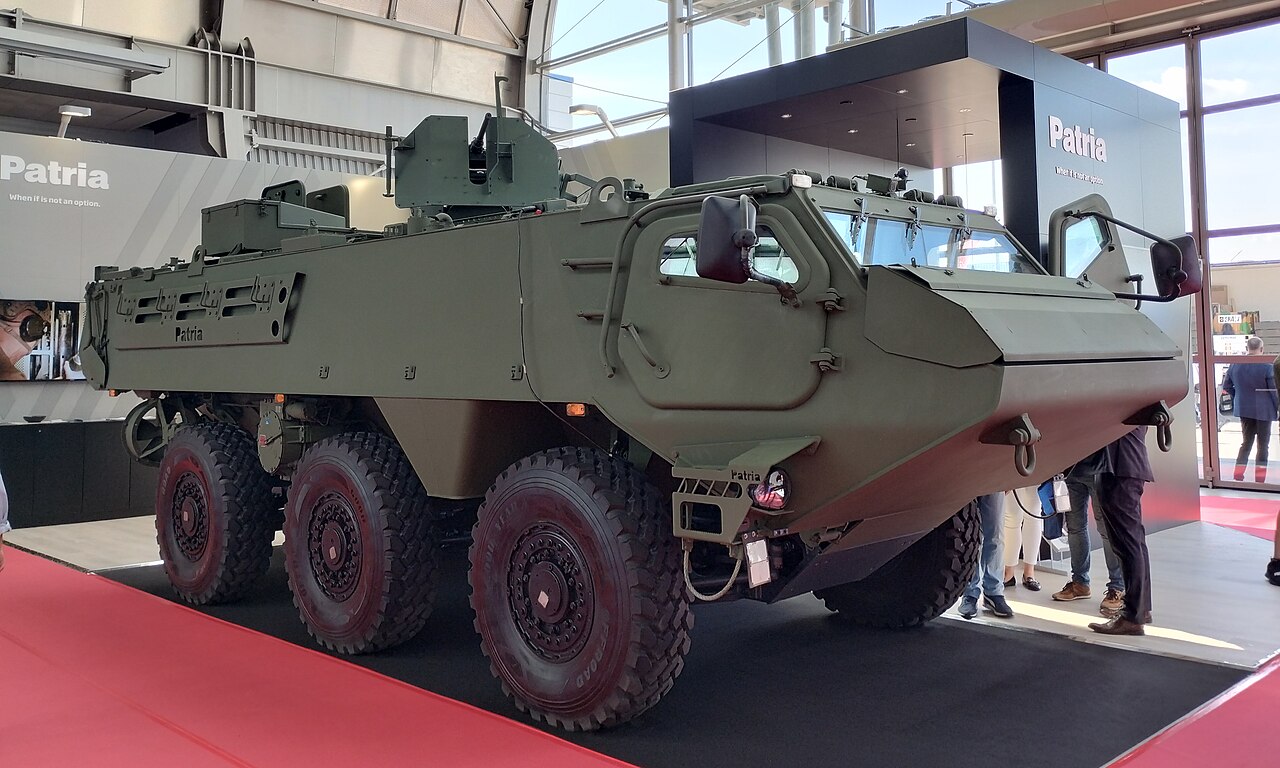
Western suppliers routinely quote the levels. The Finnish wheeled family described in our Patria profile is sold with multiple protection packages, while Turkish builders such as the ones in our Otokar profile use the levels in export brochures. The US approach differs, since American vehicles are usually specified through national requirements, as in the Stryker guide.
For Russian and Chinese vehicles, protection figures are manufacturer claims or are reported by state media, and they are rarely tested to NATO procedures, so comparing levels across blocs is approximate.
STANAG 4569 frequently asked questions
What does STANAG 4569 Level 4 mean?
Protection against 14.5 mm armor-piercing rounds at about 200 meters, plus artillery fragment and mine ratings that are specified separately.
What is the highest STANAG 4569 level?
Level 6 for ballistic threats, which covers 30 mm armor-piercing cannon rounds from the frontal arc.
Is STANAG 4569 only for NATO?
No. Many non-NATO buyers and manufacturers use it as a common benchmark.
What does the a and b mean in mine levels?
The letter “a” covers a blast under a wheel or track, while “b” covers a blast under the hull center.
Does a higher level always mean a better vehicle?
No. Extra armor adds weight, which can limit mobility, range and transportability.
- NATO Allied Engineering Publication AEP-55 (public summaries)
- Manufacturer product literature
- Wikipedia – STANAG 4569 (accessed October 2026)
- Defence & Tech reporting