Top 10 Military UGVs in the World in 2026
Military UGVs have gone from trade-show props to battlefield equipment in five years, with unmanned ground vehicles now fielded or on order in more than 20 countries and Ukrainian units running the first robot-led ground assaults. This ranking orders the ten most significant military UGVs of 2026 by fielded numbers, combat exposure, autonomy maturity and payload flexibility.
How this ranking works
Systems are weighed by fielded numbers and program health first, then demonstrated combat or exercise performance, autonomy maturity, and the breadth of payloads each vehicle actually carries in service rather than in renderings. Russian and Chinese performance figures are treated as manufacturer claims, and Ukrainian battlefield results as operator-reported. Consistent with this site’s editorial policy, companies and platforms headquartered in Israel are excluded from consideration.
The top ten UGVs, one to ten
| Rank | System | Country | Why it ranks |
|---|---|---|---|
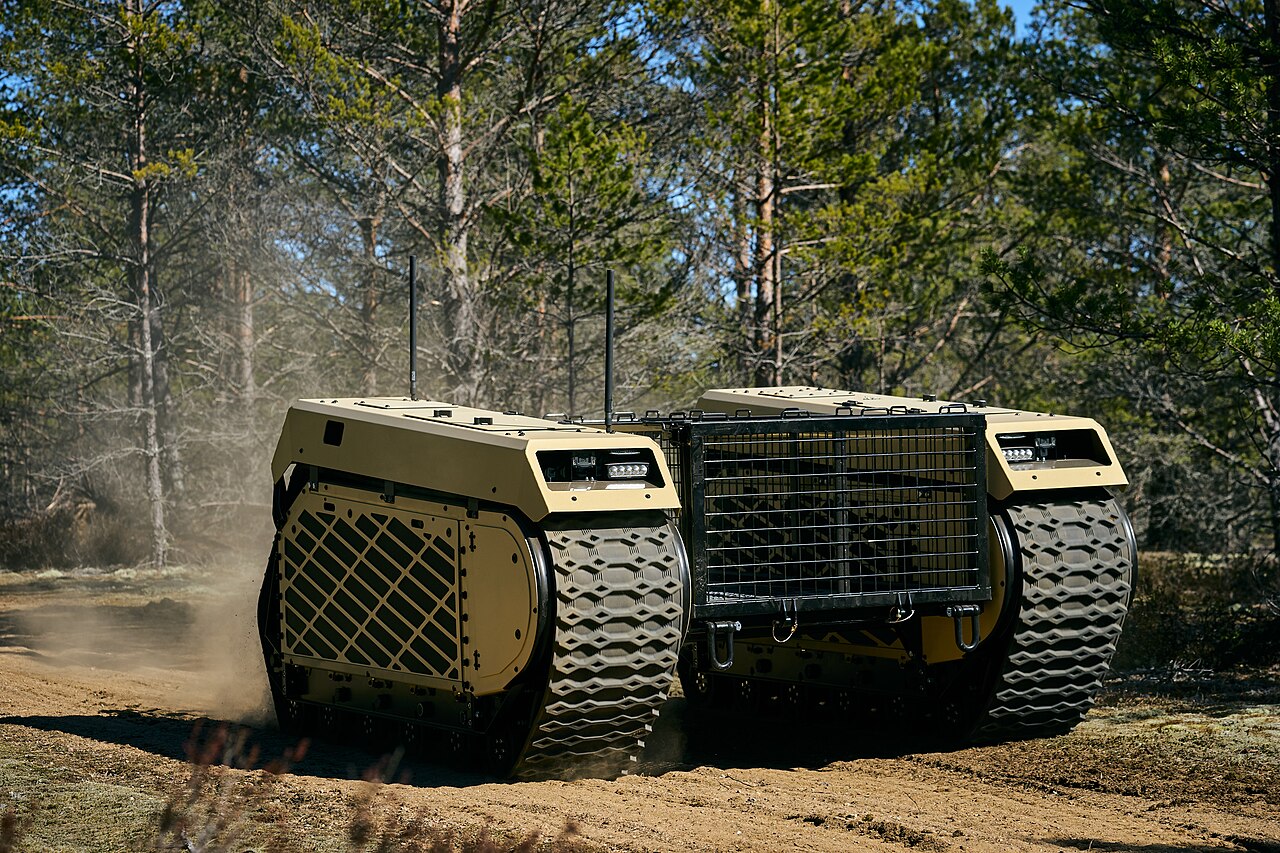
| 1 | Milrem THeMIS | Estonia | Fielded or trialed in 19+ countries, proven in Ukraine in cargo, evac and weaponized roles |
| 2 | Textron / Howe & Howe Ripsaw M3-M5 | USA | US RCV prototype lead; fast, heavily instrumented, survived program turbulence |
| 3 | Rheinmetall Mission Master SP / XT | Germany-Canada | Widest NATO trial footprint for autonomous load-carrying and fire support |
| 4 | General Dynamics S-MET (MUTT 8×8) | USA | US Army program of record, hundreds delivered for infantry logistics |
| 5 | Milrem Type-X | Estonia | Robotic combat vehicle class with 30mm unmanned turret, European RCV frontrunner |
| 6 | Hanwha Arion-SMET | South Korea | Korea’s fielded multipurpose UGV, first foreign UGV evaluated by US forces |
| 7 | TerMIT family | Ukraine | Operator-reported mass employment, logistics, mining and assault support at the front |
| 8 | Uran-9 | Russia | Armed UGV with real combat history; Syria performance criticized, upgrades are manufacturer claims |
| 9 | Norinco Sharp Claw I / II | China | Serially shown recon-and-attack UGV family, capabilities largely manufacturer claims |
| 10 | Havelsan Barkan | Turkey | Armed UGV maturing through Turkish Army trials within a networked digital-troops concept |
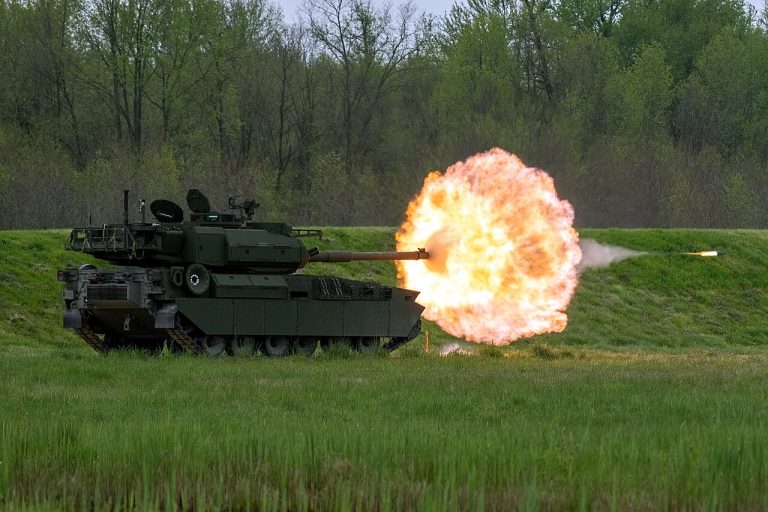
The Milrem THeMIS tops the list on sheer ubiquity, no other UGV comes close to its operator base, its Ukrainian service record or its catalogue of integrated payloads, from counter-IED gear to machine gun turrets. The Ripsaw family holds second as the most capable combat prototype in the West, even after the US Army’s 2025 restructuring of its robotic combat vehicle plans, and Rheinmetall’s Mission Master takes third as the workhorse of NATO experimentation from the Arctic to the Sahel.
In the middle ranks, the S-MET proves the unglamorous point that carrying a platoon’s batteries and water is the first UGV job armies actually fund, Hanwha’s Arion-SMET shows Korea exporting the same pragmatism, and the Type-X carries Europe’s hopes for an uncrewed vehicle that fights rather than hauls. Ukraine’s TerMIT and its many domestic cousins rank on combat relevance alone, built cheap, lost often, and iterated weekly. Uran-9 and Sharp Claw keep Russia and China on the board, though verified performance for both remains thin, and Havelsan’s Barkan closes the list as Turkey’s disciplined, network-first entry, part of the software house profiled in our HAVELSAN company profile.
What Ukraine is teaching the robots
Ukraine has become the world’s UGV laboratory, and the operator-reported lessons are humbling. Radio links fail under jamming, mud defeats more robots than gunfire, and the winning use cases so far are logistics runs into fire zones, casualty evacuation, mine-laying and mine-clearing, not robot cavalry charges. Ukrainian brigades have nonetheless conducted assaults led by armed UGVs and FPV drones with infantry following, and both sides now field ground drones in the hundreds. The same attritional logic that reshaped the loitering munition market, covered in our kamikaze drone explainer, is coming for ground robots, cheap, disposable and swarming beats exquisite.
The programs to watch next
Three developments could reorder this list by 2028. The US Army’s post-restructuring robotics push is expected to favor smaller, cheaper vehicles bought in volume over the original RCV heavyweights. European joint programs are converging on common UGV requirements with Milrem’s platforms at the center. And Ukraine’s wartime industry, already producing thousands of ground drones annually by operator accounts, may simply out-iterate every peacetime program on this list.
Military UGV frequently asked questions
What is the most widely used military UGV?
The Estonian Milrem THeMIS, fielded or trialed in more than 19 countries and used operationally in Ukraine.
Does the US Army use UGVs?
Yes. The S-MET program fields hundreds of load-carrying robots, and Ripsaw-based prototypes continue robotic combat vehicle experimentation after a 2025 restructuring.
Are armed UGVs used in combat?
Operator reports from Ukraine describe armed UGVs supporting assaults and defensive fire, and Russia employed the Uran-9 in Syria with mixed reported results.
What do military UGVs actually do?
Mostly logistics, casualty evacuation, mine warfare and reconnaissance; direct-fire combat roles are growing but remain a minority of real use.
Which countries build military UGVs?
Estonia, the US, Germany, Canada, South Korea, Ukraine, Russia, China and Turkey all produce fielded systems, with many others in development.
- Manufacturer literature from Milrem, Textron, Rheinmetall, GDLS, Hanwha and Havelsan (claims noted)
- Operator-reported UGV employment accounts from Ukraine
- Wikipedia – Unmanned ground vehicle and type articles (accessed October 2026)
- Defence & Tech reporting on ground robotics programs