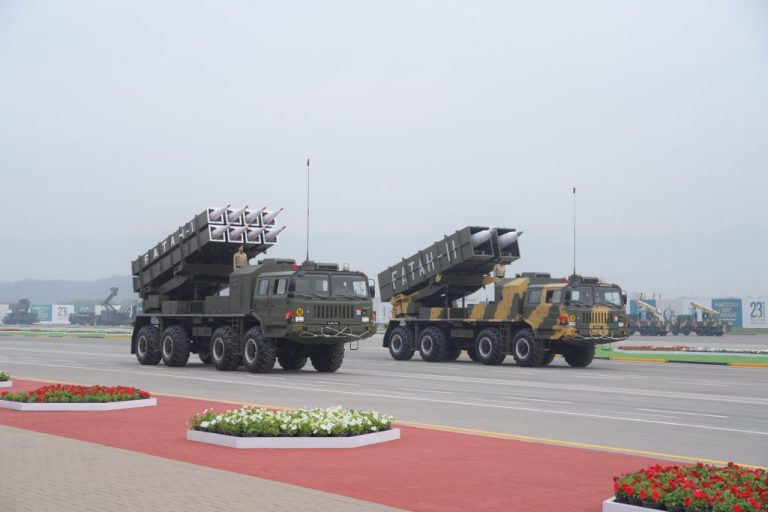
NSM vs Harpoon vs Exocet, the West’s Ship Killers Compared
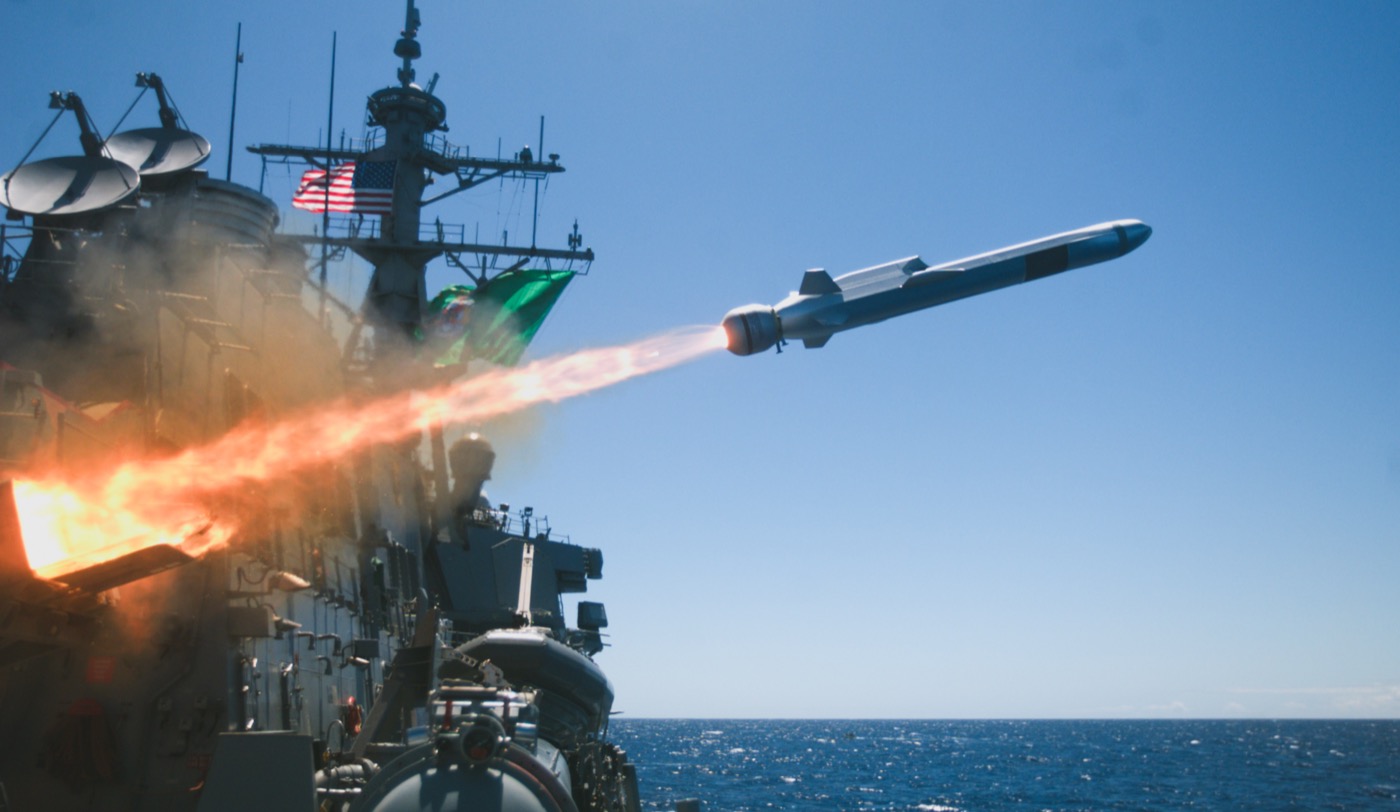
NSM, Harpoon and Exocet are the West’s three dominant anti-ship missiles, and choosing between them splits every navy the same way, with the stealthy Norwegian newcomer reaching past 185 kilometers while the two Cold War veterans defend the largest installed bases in the world. All three sink ships by putting a few hundred kilograms of warhead into a hull at wave height; everything else about them differs.
Three missiles, three philosophies
The Harpoon, in service since 1977, is the fleet standard: a Boeing-built, radar-guided workhorse integrated on ships, aircraft and submarines of more than 30 navies. The Exocet is France’s legend, an MBDA product whose sea-skimming attack profile wrote itself into naval history in 1982 and whose MM40 Block 3 keeps it thoroughly modern. The Naval Strike Missile is the disruptor, designed by Kongsberg around stealth shaping and a passive imaging seeker that emits nothing for a defender to detect.
NSM vs Harpoon vs Exocet specification table
| Item | NSM | Harpoon Block II | Exocet MM40 Block 3 |
|---|---|---|---|
| Origin | Norway (Kongsberg) | USA (Boeing) | France (MBDA) |
| In service | 2012 | 1977 (Block II 2000s) | 1979 family; Block 3 2010 |
| Range | 185+ km stated | Roughly 130 km class | Around 200 km stated |
| Speed | High subsonic | High subsonic | High subsonic |
| Warhead | 125 kg with programmable fuze | 221 kg penetrating blast | 165 kg |
| Seeker | Passive imaging infrared with target library | Active radar, GPS-aided | Active radar with GPS waypoints |
| Signature | Stealth airframe, no radar emissions | Conventional airframe | Conventional airframe |
| Launch platforms | Ships, coastal batteries, F-35 (as JSM) | Ships, submarines, aircraft, coastal | Ships, submarines, aircraft, coastal |
Seekers and survivability
The seeker choice is the deepest divide. Harpoon and Exocet switch on active radar in the terminal phase, which guarantees a return in bad weather but also announces the attack to every electronic support sensor in the task group, inviting jamming and decoys. The NSM’s imaging infrared seeker stays silent, compares what it sees against a stored target library, and picks its aimpoint on the ship, at the cost of weather sensitivity that radar does not share. Combined with a shaped low-signature airframe and evasive terminal maneuvers, the NSM presents the hardest intercept problem of the three for a close-in weapon system like the Phalanx and SeaRAM family, though no missile is unkillable.
Combat records compared
Exocet owns the combat history: HMS Sheffield and Atlantic Conveyor sunk in the Falklands in 1982, USS Stark struck by two Iraqi AM39s in 1987, all with earlier variants. Harpoon’s record is thinner but real, including strikes on Libyan vessels in 1986 and Iranian targets in 1988’s Operation Praying Mantis; Ukraine also received truck-launched Harpoons in 2022, with Ukrainian officials crediting the coastal threat, alongside domestic Neptunes, for pushing the Russian fleet away from its coast, an operator-reported effect. The NSM has never been fired in anger, an asterisk on an otherwise winning résumé. All three benefit from the same lesson the Tomahawk taught planners decades ago: the launcher you already integrate is worth more than the brochure missile you do not.
Which anti-ship missile wins by mission
| Mission | Best fit | Why |
|---|---|---|
| Contested littorals, first salvo | NSM | Passive seeker and stealth maximize surprise against alert, well-defended warships |
| Fleet-wide commonality on a budget | Harpoon | Unmatched integration base, mature stockpiles, upgrade kits keep it credible |
| Heavyweight punch with waypoint flexibility | Exocet MM40 Block 3 | Longest stated range of the trio, land-attack-capable navigation, proven lineage |
| Airborne standoff from fighters | NSM (as JSM) | The F-35-internal Joint Strike Missile variant has no peer among the three |
| Coastal defense batteries | NSM or Exocet | Both field modern truck-mounted systems; Poland and others chose NSM |
The market is voting: the US Navy put NSM on its littoral combat ships and Constellation frigates, the Marines built the NMESIS coastal system around it, and Norway, Poland, Romania, Australia and the UK signed on. Harpoon remains the incumbent on hundreds of hulls, and Exocet keeps France’s fleet and loyal export base armed. Nobody is embarrassed by any of the three; the question is whether you are buying for the last naval war or the next one.
NSM vs Harpoon vs Exocet frequently asked questions
Which has the longest range, NSM, Harpoon or Exocet?
On stated figures the Exocet MM40 Block 3 at around 200 km edges the NSM’s 185-plus; Harpoon Block II trails at roughly 130 km.
Why is the NSM considered stealthy?
Its shaped composite airframe and passive infrared seeker mean it neither reflects much radar energy nor emits any of its own.
Has the NSM ever been used in combat?
No. Its reputation rests on trials and exercises, while Exocet and Harpoon both have confirmed combat sinkings and strikes.
What ships carry the NSM?
US littoral combat ships and future Constellation frigates, Norwegian and Polish forces, Romanian coastal batteries and a growing list including Australia and the UK.
Is Harpoon obsolete?
Not yet. Block II and II+ upgrades added GPS and datalinks, and its enormous integration base keeps it the default Western anti-ship weapon for many fleets.
- Kongsberg, Boeing and MBDA product literature (manufacturer range figures noted)
- Wikipedia – Naval Strike Missile, Harpoon (missile) and Exocet (accessed October 2026)
- Public reporting on Falklands, Praying Mantis and Ukraine coastal missile employment
- Defence & Tech reporting on naval strike programs