

Denel, the Rise, Fall and Fragile Rescue of South Africa’s Arms Maker
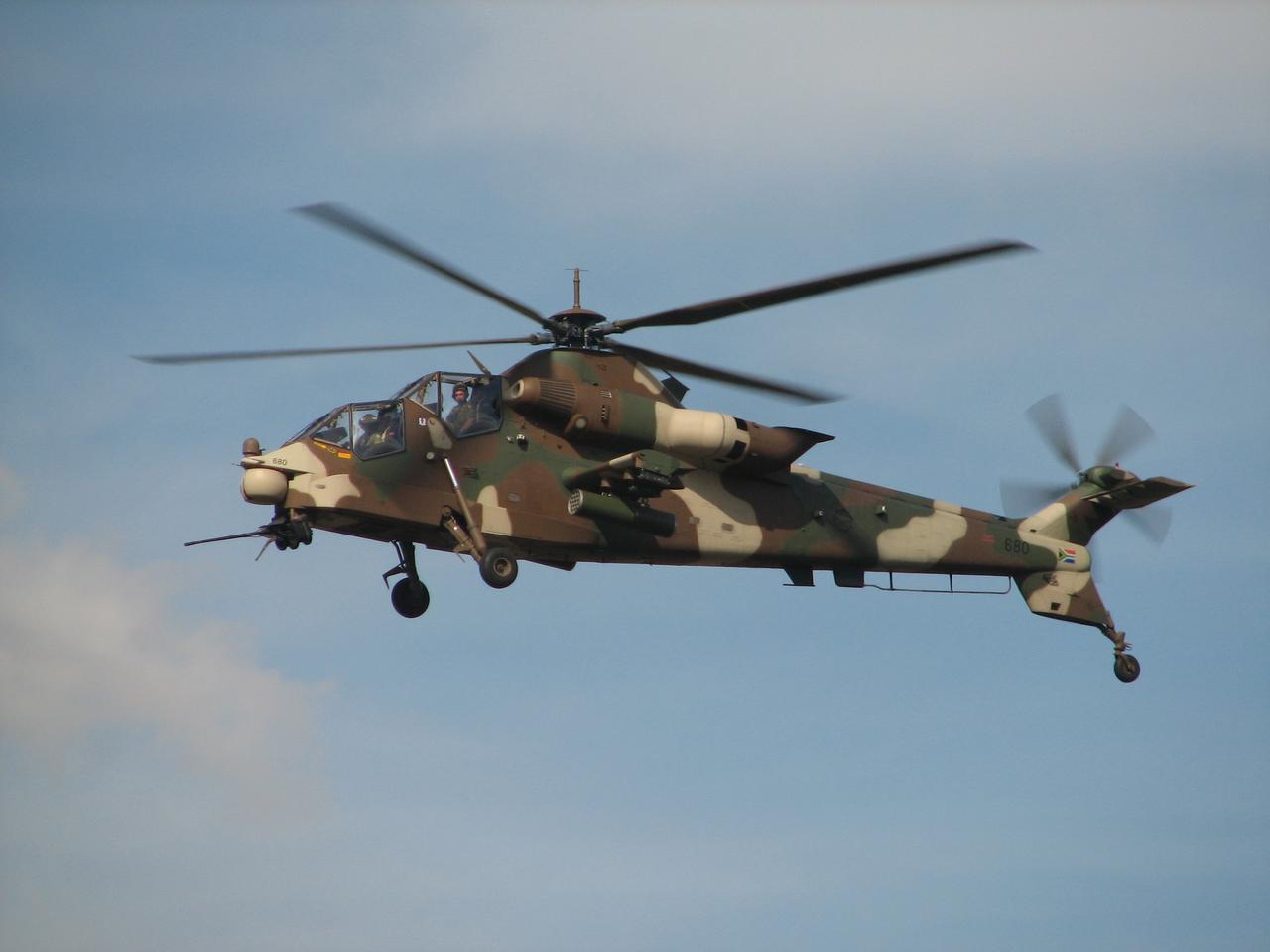
Denel is South Africa’s state-owned defense group, a company whose revenue collapsed from roughly 8 billion rand in 2016 to under 2 billion during a state-capture crisis that nearly killed it. The maker of the G6 howitzer, the Rooivalk attack helicopter and the Umkhonto missile is now attempting one of the industry’s hardest turnarounds, rebuilding trust, skills and an order book at the same time.
Denel at a glance
| Item | Detail |
|---|---|
| Full name | Denel SOC Ltd |
| Headquarters | Centurion, near Pretoria, South Africa |
| Ownership | 100% South African state |
| Founded | 1992, from the manufacturing subsidiaries of Armscor |
| Key divisions | Dynamics (missiles), Land Systems, Aeronautics, PMP ammunition, Overberg test range |
| Flagship products | G5/G6 155mm artillery, Rooivalk attack helicopter, Umkhonto SAM, A-Darter missile |
| Condition | Recovering from a near-fatal financial crisis; repeated going-concern warnings through the early 2020s |
What does Denel make
Denel’s catalog reads like a reminder of how advanced South African engineering once was, and in places still is. The G5 towed and G6 self-propelled 155mm guns set world range standards in the 1980s and remain respected, the Rooivalk attack helicopter, ranked among the world’s best airframes in our Top 10 attack helicopters, flies with the South African Air Force in a fleet of only 12, and Denel Dynamics builds the Umkhonto vertical-launch SAM, the Mokopa anti-tank missile and the A-Darter short-range air-to-air missile developed with Brazil.
The group also owns PMP, one of the southern hemisphere’s major small-caliber ammunition plants, and the Overberg test range, a geographic asset international missile programs pay to use. The Badger infantry fighting vehicle, a licensed derivative of Patria’s AMV, was meant to be the army’s flagship program before the crisis wrecked its schedule.
How Denel fell into financial crisis
The collapse was not primarily commercial, it was governance. During South Africa’s state-capture years, Gupta-linked appointees steered the board, a proposed Denel Asia joint venture drew public-protector scrutiny, and experienced executives and engineers left in waves. Revenue slid from roughly R8 billion in 2016 to under R2 billion, the company ran out of cash to the point of paying partial salaries for months during 2020 and 2021, and auditors issued going-concern warnings year after year.
The operational damage compounded the financial. The army’s Hoefyster/Badger program stalled for lack of working capital, export customers watched deliveries slip, and the skills that made Denel credible, guided-weapons engineers above all, took jobs abroad, many in the Gulf. A defense company can survive losing money; losing its engineers is closer to fatal.
The rescue and restructuring
Rescue came slowly. The state approved a R3.4 billion recapitalization in 2022, tied to a turnaround plan that sold non-core assets, shrank the corporate structure and re-centered the company on missiles, artillery, ammunition and the test range. Management reported a return to modest profitability in the mid-2020s, the first in roughly a decade, and began rebuilding delivery credibility on ammunition and artillery support contracts. The workforce, several thousand at the peak, is far smaller now, and rebuilding certified engineering teams remains the slowest part of the cure.
Can Denel recover its export markets
The assets for a comeback are real, artillery expertise the K9-dominated market still respects, a NATO-caliber missile house in Dynamics, and a test range in high demand. The obstacles are equally real, buyers remember missed deliveries, Gulf and Asian competitors hired Denel’s own people, and South Africa’s procurement budget is too small to anchor the company alone. Partnership, licensing Denel designs to better-capitalized producers, or joint ventures that bring foreign cash to Centurion, looks more plausible than a return to solo prime status.
Denel frequently asked questions
What happened to Denel?
State-capture-era mismanagement drove revenue from about R8 billion to under R2 billion, left staff partially unpaid in 2020-21, and required a R3.4 billion state rescue in 2022.
What does Denel manufacture?
G5 and G6 155mm artillery, the Rooivalk attack helicopter, Umkhonto surface-to-air and A-Darter air-to-air missiles, Mokopa anti-tank missiles and ammunition through PMP.
Is Denel still in business?
Yes. After recapitalization and restructuring it reported a return to modest profitability in the mid-2020s, though at a fraction of its former size.
Who owns Denel?
The South African government owns 100% of Denel SOC Ltd.
Will the Rooivalk ever be built again?
A restart has been studied, including export interest, but with only 12 airframes built and the production line cold, any relaunch would need a committed foreign partner.
- Denel and South African government disclosures
- South African parliamentary oversight records on state-owned enterprises
- Wikipedia – Denel (accessed October 2026)
- Defence & Tech reporting on African defense industry
Related Posts
The most consequential European drone company you have never heard of is Portuguese. Tekever's modest...

TKMS is the world's leading exporter of conventional submarines, the Kiel-based builder whose Type 212...

European defence startups raised a record $8.7 billion in 2025, according to Dealroom and the...