
If He Dies, a Nuclear Apocalypse Will Begin


 React
React
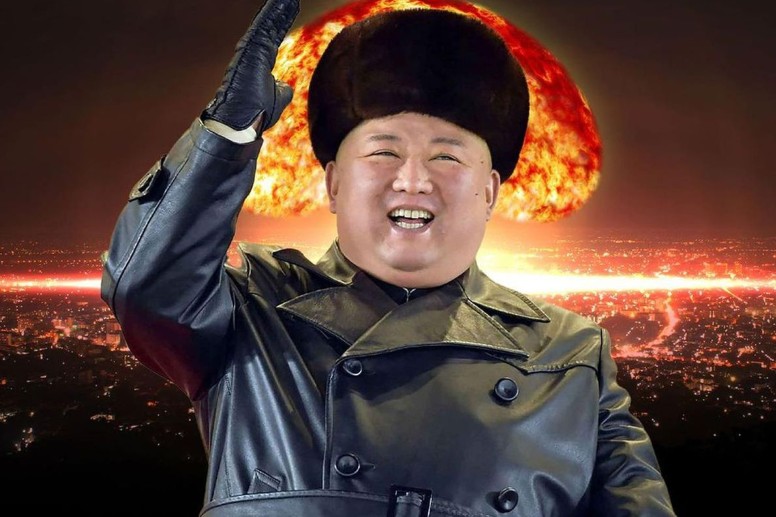
PYONGYANG — The phrase “dead man’s hand” has long been a chilling relic of Cold War deterrence theory, a fail-safe designed to guarantee mutual destruction even if a nation’s leadership is wiped out in a first strike. Today, that theoretical nightmare has been codified into law in the Indo-Pacific. North Korea has updated its constitution to ensure that the survival of Kim Jong-un is now inextricably linked to the physical launch mechanisms of its strategic nuclear arsenal.
To put it bluntly: if the Supreme Leader is killed, the protocol dictates that a nuclear apocalypse will automatically begin.
The Ultimate Insurance Policy
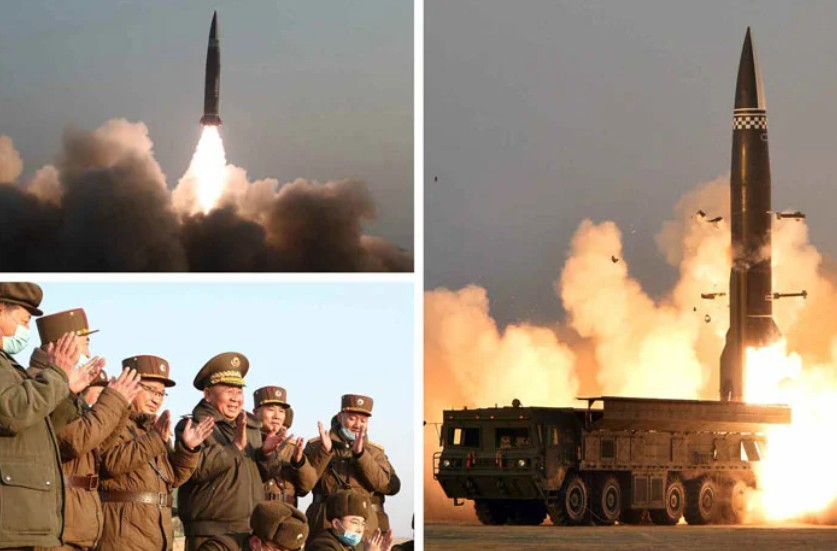
Recent intelligence assessments confirm that the Supreme People’s Assembly in Pyongyang has formally amended the state’s nuclear doctrine. The new constitutional mandate—specifically Article 3—stipulates that if the nation’s central command and control (C2) network is severed or if the leadership is incapacitated by a hostile attack, the Strategic Rocket Forces must immediately and automatically launch a nuclear retaliatory strike against pre-designated targets.
This is a profound shift from a policy of mere retaliation to one of guaranteed, automated vengeance. For years, allied wargames in the region, particularly those conducted by the United States and South Korea, have explored “decapitation strikes”—highly classified, surgical operations aimed at neutralizing North Korean high command before a nuclear launch sequence can be authorized. By publicizing this constitutional amendment, Pyongyang is directly countering that strategy, attempting to render any precision strike against Kim Jong-un suicidal for the attackers and their allies.
Learning from the Middle East
The strategic calculus behind this drastic measure is heavily influenced by recent global events. Defense planners assess that Pyongyang has been closely observing the tactical landscape in the Middle East, specifically the successful, high-profile targeted assassinations of senior Iranian military figures and proxy leaders by the U.S. and Israel.
Witnessing the effectiveness of these decapitation operations has likely fueled deep paranoia within the North Korean elite. Kim Jong-un’s response is a ruthless escalation of deterrence: by legally mandating an automatic launch upon his death, he effectively holds Seoul, Tokyo, and potentially the U.S. mainland hostage as his personal life insurance policy.
Zero Margin for Error
The institutionalization of this automated strike doctrine introduces a terrifying level of fragility into the region’s security architecture. Hardwiring a “dead man’s switch” into a nation’s constitution drastically narrows the window for diplomacy during a crisis. It also raises the catastrophic risk of an accidental launch triggered by false radar warnings, localized skirmishes, or mere miscommunication.
Deterrence relies on the rational fear of retaliation. But by removing the human element from the final launch decision in a decapitation scenario, North Korea has engineered a situation where a single tactical miscalculation won’t just trigger a war—it will automatically ignite a nuclear exchange.
React