

UK Defense News: The Top 5 Strategic Developments Shaping the MoD


 React
React
LONDON — The United Kingdom’s Ministry of Defence (MoD) is operating at a critical crossroads. Faced with the reality of a shrinking conventional force size and a highly volatile European theater, the British military is aggressively pivoting toward next-generation technology to maintain its status as a top-tier global military power.
For defense analysts and geopolitical observers tracking “Global Britain,” here are the top five most critical developments currently dominating UK Defense News.

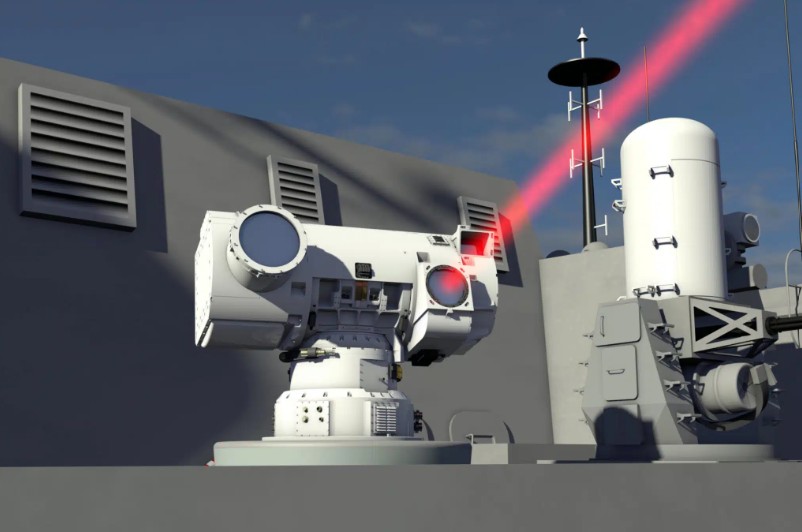
1. The DragonFire Laser: Accelerated Deployment to the Fleet In a massive leap for defensive technology, the MoD has officially accelerated the fielding of the DragonFire Directed Energy Weapon (DEW). Originally slated for deployment later in the decade, the pressing threat of cheap drone swarms and ballistic missiles—highlighted by operations in the Red Sea and Ukraine—has pushed the Royal Navy to fast-track the system. Capable of hitting a coin-sized target from miles away at the cost of less than £10 per shot, DragonFire is set to be rapidly integrated onto Type 45 Destroyers, fundamentally altering the economics of naval air and missile defense.
2. GCAP & The Tempest: The 6th-Generation Fighter Advances The Global Combat Air Programme (GCAP)—the trilateral alliance between the UK, Japan, and Italy—has entered a critical new phase. BAE Systems and its international partners have officially finalized the joint concept phase for the “Tempest” 6th-generation stealth fighter. The program recently announced major milestones in its advanced radar architecture (capable of processing 10,000 times more data than existing systems) and its “loyal wingman” drone integration. The UK remains firmly committed to flying the first demonstrator aircraft within the next three years, racing against the US NGAD program.

3. SSN-AUKUS: Steel Cut on the Next-Gen Submarine Facilities The AUKUS security pact is moving from paper to heavy industry. The UK has announced massive infrastructure investments at the Barrow-in-Furness shipyard to prepare for the construction of the SSN-AUKUS—the nuclear-powered attack submarine that will be operated by both the Royal Navy and the Royal Australian Navy. The MoD has finalized the core reactor design with Rolls-Royce, ensuring that the new fleet will maintain the UK’s continuous at-sea deterrence and deep-strike capabilities in both the Euro-Atlantic and the highly contested Indo-Pacific regions.
4. The Royal Navy’s Autonomous Pivot Facing a well-documented recruitment and retention crisis, the Royal Navy is attempting to turn a vulnerability into a technological advantage by heavily investing in unmanned systems. The MoD recently launched the autonomous minehunting “Mothership” concept, purchasing commercial vessels and retrofitting them to deploy swarms of Unmanned Surface Vessels (USVs) and underwater drones. This strategy aims to retire older, crew-heavy frigates and minehunters, replacing them with AI-driven maritime drones that can project power without risking British sailors.
5. The Munitions Renaissance: Rebuilding the Industrial Base The protracted war in Ukraine severely depleted British ammunition stockpiles, exposing a critical weakness in the UK’s defense industrial base. In response, the MoD has launched a massive, multi-billion-pound procurement drive to resupply its forces and expand domestic manufacturing. BAE Systems has received unprecedented contracts to increase the production of 155mm artillery shells by an astonishing eightfold. This marks a historic shift in British defense doctrine: abandoning the “just-in-time” supply chain models of the peacetime era in favor of deep, resilient, and domestic warfighting stockpiles.
React