
Breaking Analysis: Iran Walks Away from the Table – Will the War Restart?


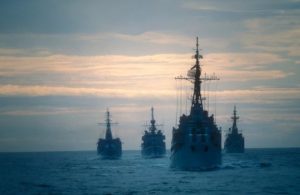
The fragile geopolitical ceasefire that temporarily halted the devastating US-Israel strikes on Iran has effectively collapsed. In a dramatic escalation of regional hostilities, Tehran has officially refused to participate in the highly anticipated second round of peace talks scheduled in Pakistan. The reason? Washington’s uncompromising naval blockade in the Strait of Hormuz.
As the diplomatic channels shatter, global defense analysts are now asking the most dangerous question of 2026: Will the war restart?
Diplomatic Collapse in Islamabad
The timeline of this diplomatic breakdown reveals a rapidly deteriorating situation. Following the grueling, 21-hour deadlocked negotiations in Pakistan on April 11, Iranian officials accused the US of presenting “excessive demands, unrealistic expectations, and a constantly shifting stance.”
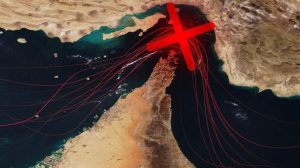
Despite ongoing backchannel messaging, the breaking point occurred over the weekend. While Iran briefly opened the Strait of Hormuz to all commercial shipping, the United States explicitly announced it would maintain its naval blockade against Iranian interests. In swift retaliation, Tehran reimposed strict restrictions on the vital waterway and pulled the plug on the diplomatic process.
In a striking display of this breakdown, diplomatic sources report that the US delegation had already landed in Islamabad, only to find that their Iranian counterparts had boycotted the summit entirely.
“We Will Shoot Down More Planes”
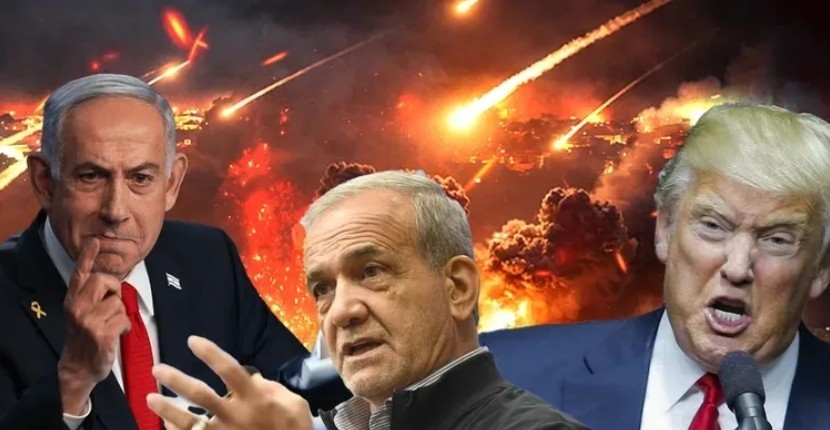
This is no longer just a standoff over maritime trade; the rhetoric has crossed back into kinetic military threats. Following US President Donald Trump’s aggressive ultimatum on Fox News—threatening that the “whole country is getting blown up” if the deal is rejected—Tehran’s response has been equally incendiary.
Quoting an anonymous Iranian official, semi-official state media outlets like the Tasnim News Agency confirmed that as long as the naval blockade continues, there will be zero negotiations. Furthermore, the official delivered a chilling warning regarding future military engagements: “In the next war, we will shoot down more planes,” promising a “chain reaction” to any further American provocations in the region.
Will the War Restart?
The April 8 ceasefire is now hanging by a microscopic thread. The refusal to negotiate removes the only safety valve that existed between two heavily armed, forward-deployed militaries operating in the confined waters of the Persian Gulf.
For defense strategists, the indicators are flashing red. When a nation completely withdraws from internationally mediated peace talks while simultaneously escalating its military rhetoric and reinforcing a strategic chokepoint like the Strait of Hormuz, it is traditionally the final precursor to armed conflict. The transition from the negotiating table back to the tactical war room appears complete. The question is no longer if the kinetic exchanges will resume, but who will fire the first shot in this inevitable second phase of the war.