WARSHIPS NEED MULTI-LAYERED DEFENSE AGAINST SWARM AND SUICIDE USVs
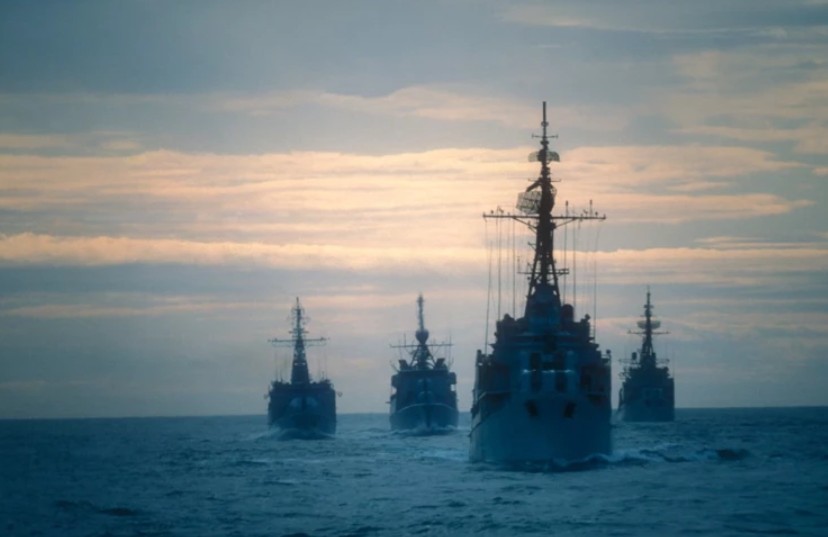
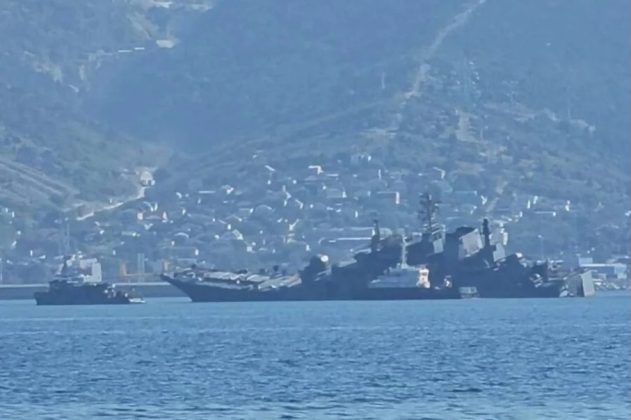
Modern naval platforms require an integrated, multi-layered defense doctrine to counter rapidly evolving low-cost asymmetric swarm attacks and suicide Unmanned Surface Vehicles (USVs). Such threats, characterized by speed, maneuverability and low radar cross-section, necessitate a combination of technological, tactical and operational measures.
ADVANCED DETECTION AND EARLY WARNING SYSTEMS
Suicide USVs present a significant detection challenge due to their small size and agility. Conventional radar systems may prove insufficient in identifying these targets. Therefore, naval vessels and port facilities must employ millimeter-wave radars capable of detecting low-signature objects, alongside high-resolution electro-optical and thermal imaging systems providing 360-degree surveillance in all weather and lighting conditions.
Integration with aerial reconnaissance assets further enhances early warning capabilities, enabling layered situational awareness and faster response times.
NEXT-GENERATION WEAPON SYSTEMS
Traditional naval guns, such as 76 mm systems, may struggle to neutralize fast-moving swarm threats effectively. As a result, modern defense concepts prioritize close-range, rapid-response weaponry, including:
- High-rate-of-fire stabilized gun systems paired with programmable airburst ammunition designed to fragment and destroy incoming targets.
- Integration of infrared imaging (IIR) guided tactical missiles, capable of engaging threats at ranges up to 20 kilometers with high precision.
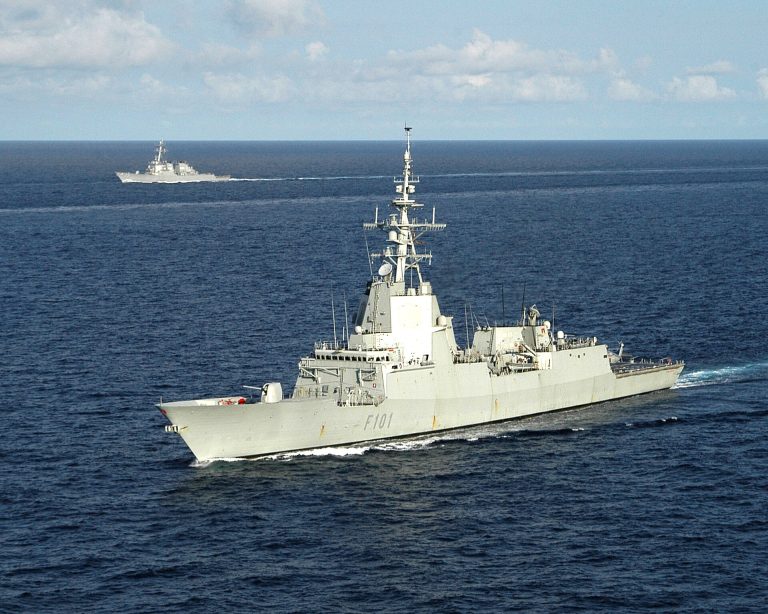
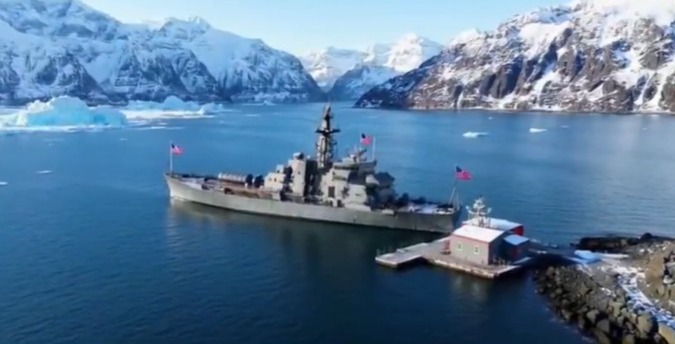
Türkiye has taken notable steps in this domain. Within the Barbaros-class frigates’ mid-life upgrade program, ROKETSAN-produced YALMAN weapon systems equipped with CİRİT and UMTAS missiles have been integrated, significantly enhancing defense against asymmetric threats.
TACTICAL, OPERATIONAL AND PHYSICAL MEASURES
Swarm attacks aim to overwhelm defensive systems by saturating sensors and weapons simultaneously. To mitigate this, naval forces must adopt comprehensive strategies:
- Port and Base Protection: Deployment of physical barriers in coastal and harbor approaches to prevent unauthorized surface access.
- Patrol and Escort Operations: Continuous surveillance through armed patrol boats and attack helicopters. Additionally, friendly USVs can be deployed for force protection and forward interception, engaging hostile elements before they reach high-value units.
- Crew Readiness and Maneuverability: Maintaining high operational readiness and advanced situational awareness is critical. Ship speed and maneuvering capabilities must be actively utilized to evade and disrupt incoming threats.