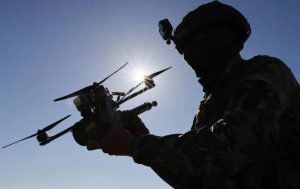

Deep Strikes on Orsk and Tuapse: The ‘Russia-Ukraine war latest’ and Kyiv’s Next Target Matrix

ORSK/TUAPSE, RUSSIA — In a dramatic escalation of its asymmetric warfare capabilities, Ukraine has launched a synchronized deep-strike campaign targeting critical Russian energy infrastructure across multiple time zones.
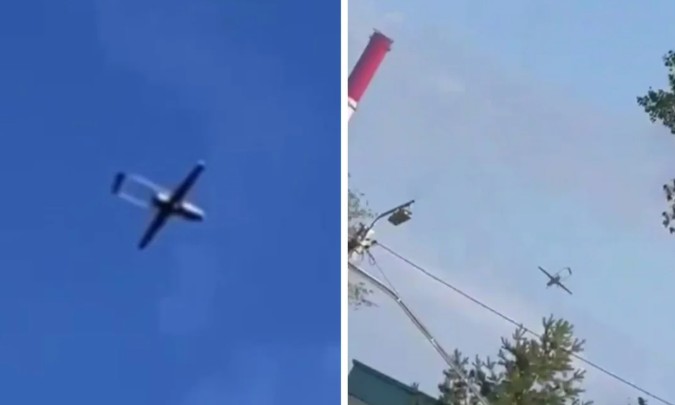
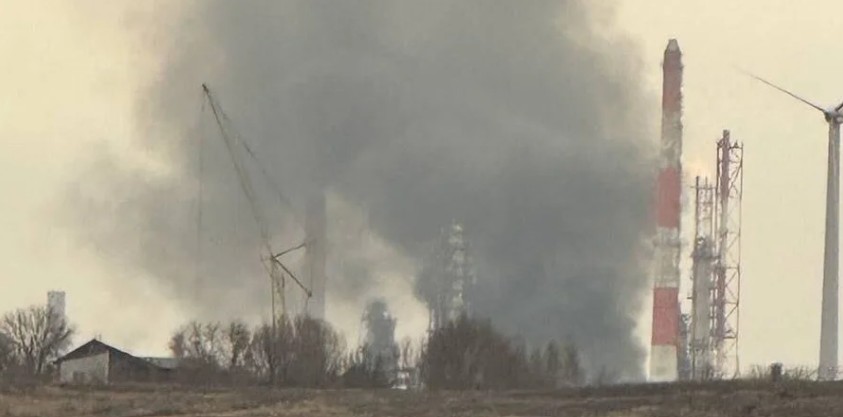
Following a catastrophic drone strike yesterday that engulfed the Tuapse oil refinery on the Black Sea coast, Ukrainian long-range unmanned aerial vehicles (UAVs) have now successfully navigated 1,400 kilometers (roughly 870 miles) to strike the massive Orsknefteorgsintez refinery in the Orenburg region, situated directly on the Russia-Kazakhstan border.
For global defense analysts and military monitors tracking the ukrayna rusya savaşı son durum (the latest situation in the Ukraine-Russia war), this one-two punch signals a severe degradation of Russia’s deep-rear air defense network and a unified strategy by Kyiv to cripple Moscow’s military logistics and petrodollar revenue.
The Target Matrix: Orsk and Tuapse
The operations executed over the last 48 hours demonstrate unprecedented operational reach by Ukraine’s military intelligence (GUR) and Security Service (SBU).
Tuapse (Krasnodar Krai): Yesterday’s strike on the Rosneft-operated Tuapse facility marked the third successful penetration of its airspace this month. The uncontained blaze has severely degraded a facility that handles both refining and direct maritime export, choking off vital aviation and diesel fuel.
Orsk (Orenburg Region): Striking Orsk, with its 6.6 million-ton annual crude processing capacity, forces the Russian Ministry of Defense into an impossible strategic dilemma: pull critical air defense systems away from active combat zones in Ukraine to protect domestic infrastructure, or leave multi-billion-dollar economic assets entirely exposed.
Predictive Intelligence: What Are the Next 3 Strategic Targets?
Given the established pattern of targeting both frontline fuel logistics and broader economic hubs, DefenseAndTech intelligence analysts assess that Ukraine’s long-range UAV swarms are likely pre-programmed for the following three high-value targets:
1. Ryazan Oil Refinery (JSC Ryazannefteproduct) Located southeast of Moscow, this Rosneft-controlled facility is one of the largest in central Russia. A successful strike here would cause immediate fuel shortages within the capital region and disrupt supply lines flowing toward the eastern front lines in Ukraine. Its proximity to Moscow makes it a highly symbolic and strategically devastating target.
2. Novorossiysk Naval and Port Infrastructure With Tuapse heavily damaged, the nearby port of Novorossiysk becomes even more critical for Russian oil exports and the remnants of the Black Sea Fleet. While heavily defended, targeting the Sheskharis oil terminal in Novorossiysk would directly paralyze Russia’s ability to fund its war economy through maritime hydrocarbon exports.
3. Engels-2 Strategic Bomber Base (Saratov Region) While energy infrastructure remains the primary focus, the Engels-2 air base houses Russia’s Tu-95 and Tu-160 strategic bombers—the very platforms used to launch cruise missiles at Ukrainian cities in retaliation. Striking Engels-2 would force Russia to relocate its bomber fleet even further east, significantly complicating their aviation logistics and increasing aircraft wear-and-tear.
As the conflict evolves, Ukraine’s strategy is undeniable. By systematically dismantling Russian refining and logistical capacity, Kyiv aims to trigger a localized collapse for the Russian military and accelerate an economic attrition that strikes at the heart of the Kremlin’s war machine.