

The “Carrier Killer” Dilemma: Is the $13 Billion Aircraft Carrier Becoming a Floating Legacy?

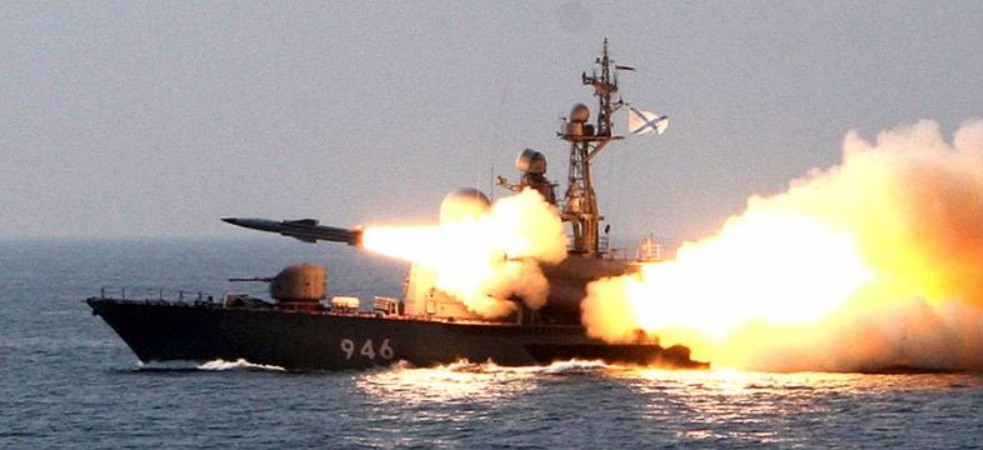

GLOBAL STRATEGIC BRIEFING – For over eight decades, the aircraft carrier has been the ultimate symbol of global power projection. However, as of 2026, a haunting question is echoing through the halls of the Pentagon, the Royal Navy, and the Indian Ministry of Defence: Is the $13.3 billion USS Gerald R. Ford class an indispensable asset or an expensive target?
Recent defense news reports and real-world engagements in the Red Sea have ignited a fierce debate over the viability of these steel giants in an era dominated by asymmetric “carrier killer” technologies.
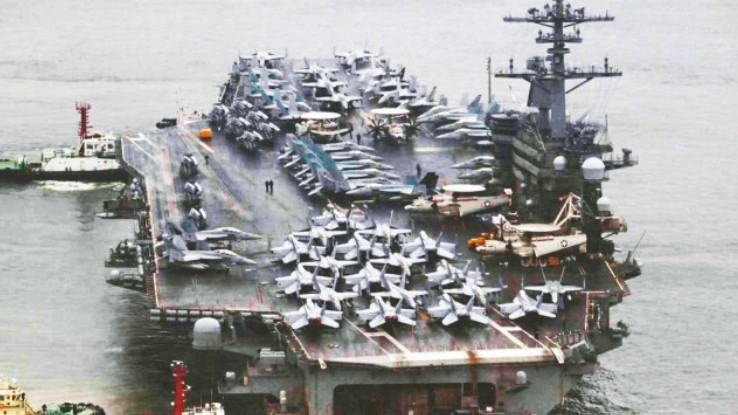
The Rise of the ASBM: From “Guam Express” to Intercontinental Reach
The primary shadow looming over the flight deck is China’s evolving arsenal of Anti-Ship Ballistic Missiles (ASBMs). According to intelligence reports from early 2026, the People’s Liberation Army (PLA) has successfully miniaturized and upgraded the DF-26B—often called the “Guam Express”—into a platform with near-intercontinental reach.
This means that a U.S. or allied carrier group could be targeted thousands of miles before it even enters the First Island Chain. The physics of a ballistic missile hitting a moving target at Mach 10 creates a “Kill Chain” that traditional Aegis defense systems are struggling to guarantee against.
Lessons from the Red Sea (2024-2025)
The 2024-2025 Red Sea crisis provided a sobering lesson in the economics of modern conflict. Houthi rebels utilized $10,000 to $20,000 kamikaze drones to threaten multi-billion dollar shipping lanes. While Western naval task forces, including carrier strike groups, successfully intercepted these threats, the “cost-per-kill” ratio was catastrophic.
As highlighted in recent defense news, firing a $2 million interceptor missile to stop a $10k drone is a strategy that even the wealthiest nations cannot sustain in a prolonged conflict. This asymmetric math is the silent “carrier killer” that critics argue will eventually exhaust naval budgets.
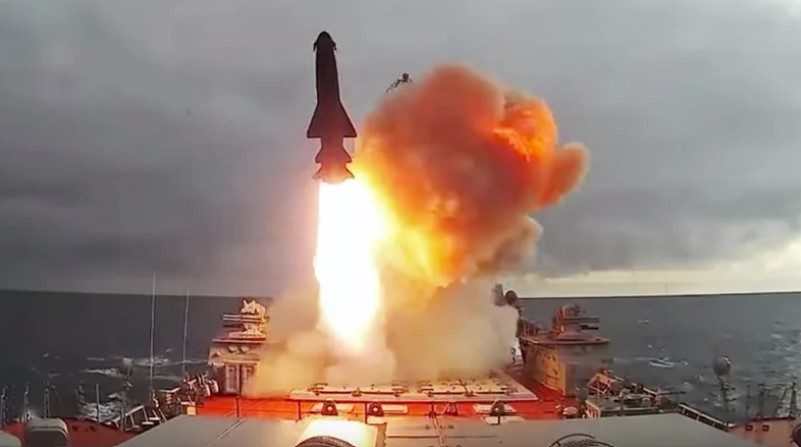
The Survival Evolution: Lasers and Drone Motherships
Despite the “obsolescence” narrative, the aircraft carrier is not surrendering. The platform is currently undergoing its most radical transformation since the transition from wood to steel.
-
Directed-Energy Weapons (DEW): By late 2025, the integration of high-powered laser systems has begun to offer a solution to the asymmetric drone threat. Lasers provide an “infinite magazine” with a cost-per-shot of less than $10, effectively neutralizing drone swarms.
-
The Unmanned Transition: Carriers are evolving into “Drone Motherships.” The deployment of MQ-25 Stingrays and other autonomous UCAVs (Unmanned Combat Aerial Vehicles) allows the carrier to stay further back from the “threat envelope” while still projecting air power.
-
Distributed Maritime Operations (DMO): Rather than a single concentrated target, the future carrier group is becoming a decentralized network of sensors and shooters, making it harder for “carrier killer” füzeleri (missiles) to achieve a decisive blow.
Strategic Intelligence Verdict: Irrelevant or Indispensable?
So, are these $13 billion ships “junk”? Not yet. The core justification for the carrier remains its sovereignty. In regions where land bases are politically sensitive or vulnerable to ground strikes—as seen in the 2026 tensions across the Middle East—the aircraft carrier remains the only assured instrument of rapid, mobile response.
However, the “Carrier Killer” dilemma has forced a paradigm shift. The carrier of the 2030s will not be the primary combatant; it will be the secure, mobile hub of an autonomous, AI-driven network. For global defense news followers, the story is no longer about the death of the carrier, but the death of the carrier as we knew it.
Editor’s Note: This analysis incorporates 2026 naval procurement updates and Red Sea operational lessons. Defense & Tech will continue to monitor the deployment of Directed-Energy Weapons on the Ford-class fleet.