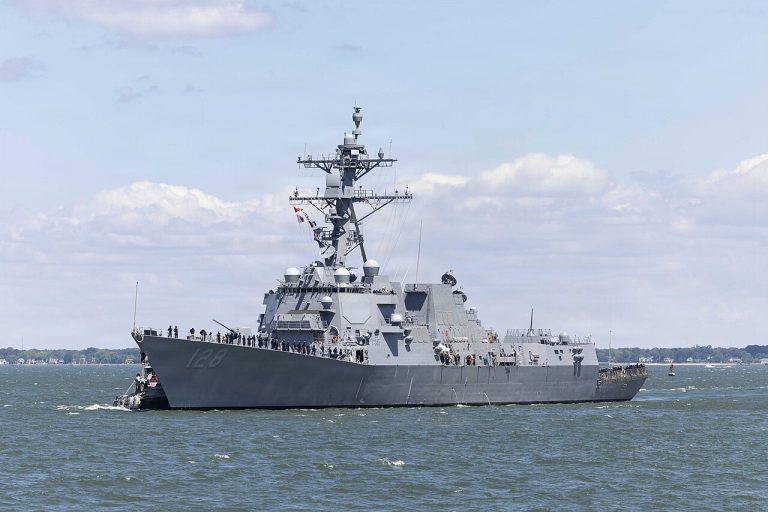

THE ILLUSION OF THE PLATFORM: WHY 12 “INVISIBLE” SYSTEMS MAKE OR BREAK MODERN DEFENSE PROGRAMS

STRATEGIC ANALYSIS — When a new UAV, helicopter, or armored vehicle makes headlines, the focus is almost always on the “shiny object”—the platform itself. However, as we have witnessed in the high-intensity theaters of 2026, the hull is merely an enclosure. The true narrative of success is written in the “kitchen” of the defense industry: the ecosystem of integrated subsystems.
A modern defense platform is not a single product; it is a living organism. If one “organ” fails to speak the same language as the others, even the most advanced stealth jet becomes a multi-million dollar liability. To understand why some platforms dominate the market while others wither, one must deconstruct the 12 pillars of the defense ecosystem.
The Anatomy of Integration: 12 Essential Subsystems
Propulsion & Power Systems: The Heart. Whether it is a turbo-prop for an İHA or a hybrid engine for a tank, this defines range, payload capacity, and mission duration.
Structural Integrity & Materials: The Skeleton. The use of advanced composites versus metals dictates weight, durability, and thermal/radar signature management.
Flight & Motion Control: The Reflexes. This layer translates pilot or AI intent into stable physical action. Without precise control, performance remains theoretical.
Avionics & Vehicle Electronics: The Nervous System. This is the hub that collects, processes, and distributes data from every corner of the platform.
Navigation (INS/GNSS): The Internal Compass. In GPS-denied environments, the ability to maintain positioning and orientation is the difference between a mission and a crash.
Communication & Data Links: The Voice. Secure telemetry, video feeds, and command-and-control (C2) flows through this vital pipe.
EO/IR Sensor Packages: The Vision. Day/night vision, target acquisition, and thermal tracking provide the primary visual data for the operator.
Radar & Detection Layers: The Sixth Sense. AESA radars and sensing arrays provide the 360-degree situational awareness required for modern survival.
Electronic Warfare (EW): The Cloak. In 2026, the most lethal advantage is often “invisible”—jamming, spoofing, and counter-measures live in this layer.
Mission Computer & Software: The Intelligence. The “Brain” of the platform. This is where mission planning, automation, and AI-driven functions reside.
Weaponry & Munition Integration: The Teeth. Effective lethality requires more than just a bolt-on missile; it requires deep software and mechanical harmony.
Ground Support & Simulation: The Immune System. Success doesn’t end at delivery. Sustainability is found in training, spare parts, and simulation loops that keep the platform alive.
The Verdict: The Three Pillars of Success
In the 2026 defense market, a platform’s value is no longer measured by its top speed alone. It is measured by three critical questions:
Performance: Does it function as a unified system in the field?
Sustainability: Can the supply chain and maintenance loops survive a prolonged conflict?
Scalability: Can the architecture grow to accommodate new AI, different missions, or export requirements?
A platform backed by a robust subsystem ecosystem isn’t just a vehicle; it’s a long-term strategic asset.