
PRECISION REVOLUTION: THE STRATEGIC EVOLUTION OF ROBOTIC SURGERY SYSTEMS


TECHNOLOGY ANALYSIS — In the landscape of modern medicine, the traditional scalpel is rapidly being superseded by high-fidelity robotic systems. Once a niche tool for specialized urological procedures, Robotic Surgery has matured into a multi-disciplinary powerhouse. Today, these systems represent the pinnacle of medical engineering, merging aerospace-grade robotics with advanced artificial intelligence to redefine the boundaries of human intervention.
Defining the Robotic Interface: Beyond Mechanical Extension
At its core, robotic surgery—or robot-assisted surgery—is a sophisticated method where a surgeon performs complex procedures through a computerized interface. Unlike the common misconception of autonomous machines, these systems function as a highly refined extension of the surgeon’s own hands.
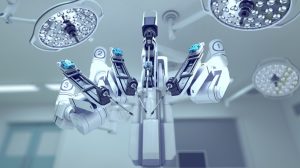
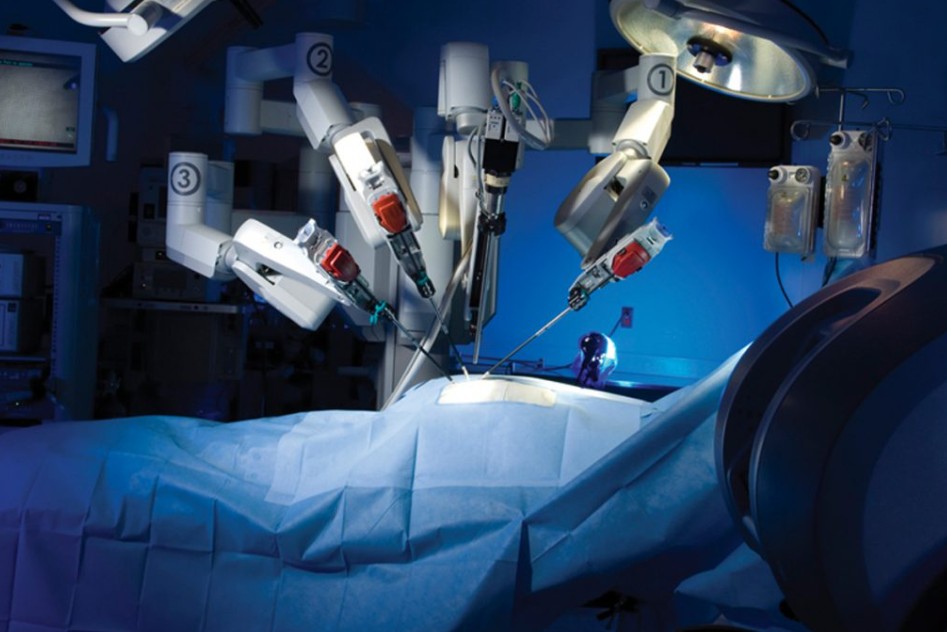
The system typically consists of an ergonomic surgeon console, a patient-side cart featuring interactive robotic arms, and a high-definition 3D visualization system. By translating the surgeon’s large-scale hand movements into micro-movements within the patient’s body, the technology eliminates human tremors and provides a level of dexterity that surpasses the physical limitations of the human wrist.
The New Frontiers: AI Integration and Haptic Feedback
The current state of robotic surgery is defined by two major technological leaps: Artificial Intelligence (AI) and Kinesthetic Haptics.
Modern surgical platforms are now equipped with AI-driven “Active Constraints.” These algorithms analyze the patient’s anatomy in real-time, providing a digital safety net. If a surgeon’s movement inadvertently approaches a critical nerve or major blood vessel, the system can provide resistive feedback or temporary pauses, significantly reducing the margin for human error.
Furthermore, the long-standing challenge of “tactile loss”—the inability to feel tissue resistance—has been solved through advanced haptic sensors. Surgeons now receive instantaneous force-feedback through the console’s controls. This “Sense of Touch” allows for the delicate manipulation of fragile tissues, a capability that was previously only available in traditional open surgery.
The Strategic Edge: Advantages for Modern Healthcare
The adoption of robotic systems offers a transformative suite of advantages that benefit both the patient and the healthcare provider:
-
Minimal Invasiveness and Rapid Recovery: By utilizing small incisions rather than large traditional openings, robotic systems minimize blood loss and tissue trauma. For the patient, this translates into a drastic reduction in hospital stay duration and a significantly faster return to normal activity.
-
Enhanced Visualization: Surgeons operate with a magnified, 3D high-definition view of the surgical site. This depth perception and clarity allow for the identification of anatomical structures that are often invisible to the naked eye during conventional laparoscopy.
-
Surgeon Longevity and Ergonomics: Traditional surgery is physically demanding, often leading to chronic fatigue or injury for the surgeon. Robotic consoles are designed for ergonomic comfort, reducing physical strain and allowing for sustained peak performance during long, complex procedures.
-
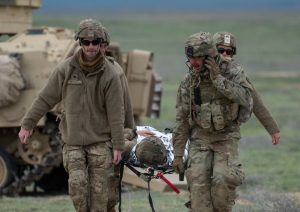
Global Reach via Telesurgery: Enabled by ultra-low latency 6G connectivity, robotic systems are now capable of performing remote operations. This has profound implications for global health and defense, allowing a specialist in a major urban center to operate on a patient in a rural clinic or a forward-operating military base.
Tactical Outlook: The Defense and Tech Perspective
From a strategic standpoint, the miniaturization of these robotic units is the next logical step. The development of deployable, ruggedized surgical pods is already underway, aimed at providing life-saving surgical intervention on the front lines of conflict or in isolated maritime environments.
As we move forward, the convergence of robotics and machine learning will continue to lower the “barrier of complexity” in surgery. At Defense and Tech, we view the mastery of robotic surgery not merely as a medical advancement, but as a critical component of national technological sovereignty and human resilience.