
THE INVISIBLE SHIELD: UNDERSTANDING MODERN AIR DEFENSE SYSTEMS
GLOBAL STRATEGY DESK — In an era where threats can move at five times the speed of sound or hide in the shadow of a small drone, an integrated Air Defense System (ADS) is a nation’s most vital insurance policy. An ADS is not just a missile on a launcher; it is a sophisticated “system-of-systems” that combines sensors, command centers, and interceptors to create a seamless umbrella of protection.
What is an Air Defense System?
At its core, an air defense system is a defensive network designed to identify, track, and neutralize aerial threats before they reach their target. These threats include manned aircraft, helicopters, cruise missiles, ballistic missiles, and the increasingly dominant loitering munitions (kamikaze drones).

The Three Pillars of Defense:
Sensors (The Eyes): Ground-based radars, electro-optical sensors, and satellite links that detect incoming objects.
Command & Control (The Brain): Highly automated software that analyzes the threat, prioritizes targets, and decides which weapon to fire in milliseconds.
Effectors (The Muscles): The missiles, guns, or directed-energy weapons (lasers) that physically destroy the threat.
The Concept of “Layered Defense”
Modern military doctrine relies on Layered Air Defense. This ensures that if a threat slips through one layer, the next is ready to engage. Systems are primarily classified by their Range and Altitude:
1. VSHORAD (Very Short Range)
Range: 0 – 10 km
Purpose: The final line of defense against low-flying drones, helicopters, and rockets.
Examples: MANPADS (shoulder-fired missiles), C-RAM systems, and anti-aircraft guns like the KORKUT.
2. SHORAD (Short Range)
Range: 10 – 30 km
Purpose: Protecting maneuver units (tanks and infantry) and critical bases from tactical aircraft and cruise missiles.
Examples: Tor-M2, NASAMS (early versions), or the GÜRZ tactical system.
3. MRAD (Medium Range)
Range: 30 – 100 km
Purpose: Defending cities and large military installations. These systems often handle multiple targets simultaneously.
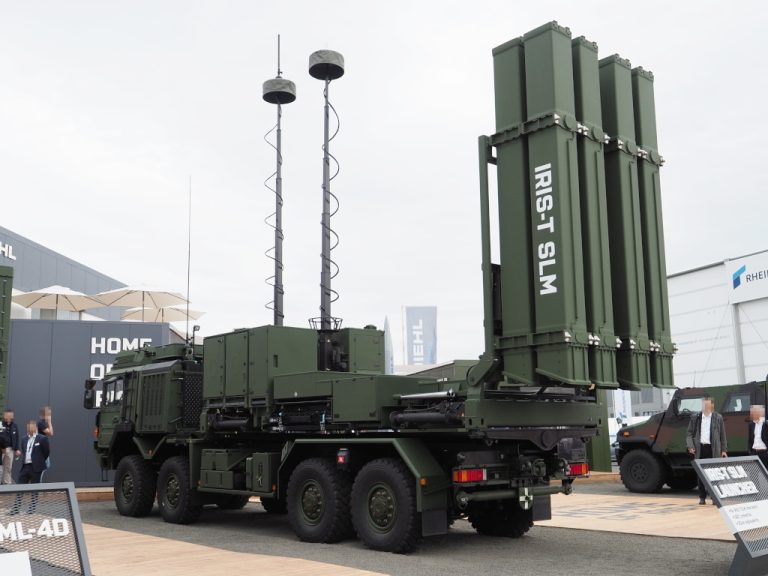
Examples: IRIS-T SLM, Patriot PAC-3 (lower tier), or the HİSAR-O+.
4. LRAD (Long Range) & BMD (Ballistic Missile Defense)
Range: 100 km – 400+ km
Purpose: Strategic defense. These systems can intercept targets at high altitudes, including at the edge of space.
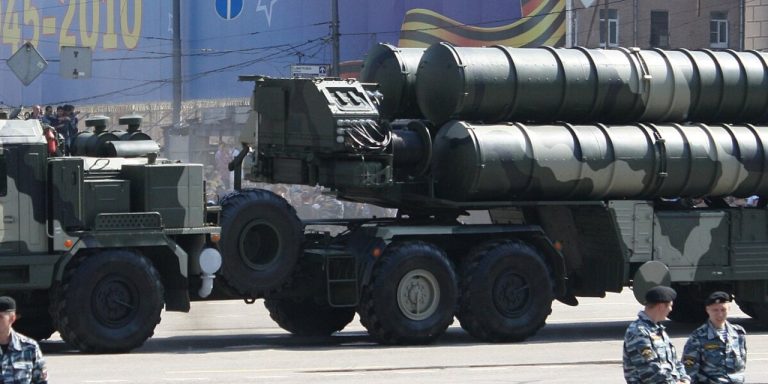
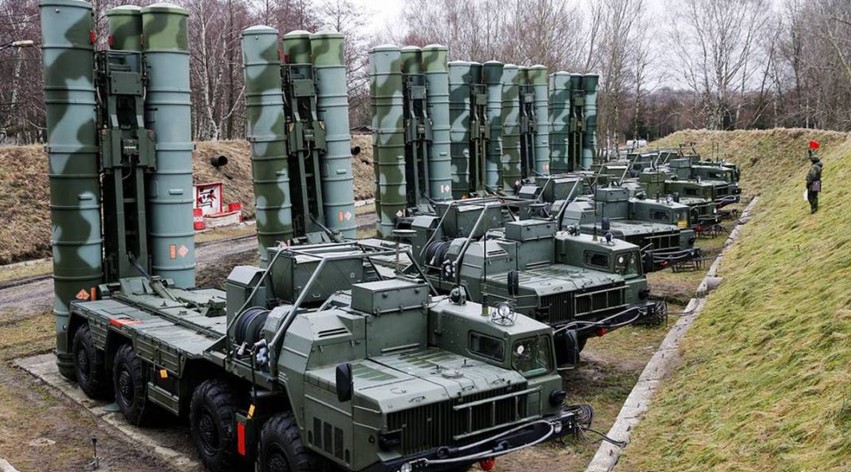
Examples: S-400, Patriot PAC-3, THAAD, and the long-range SİPER system.
[Image comparing the interception altitudes of Patriot, THAAD, and S-400 systems]
2026 Trends: The Shift to “Steel Dome” Concepts
The future of air defense is moving toward Integrated Air and Missile Defense (IAMD). In 2026, we are seeing the rise of “Steel Dome” architectures (like Türkiye’s ÇELİK KUBBE), where every sensor and weapon—regardless of its range—is connected to a single AI-driven network. This allows a long-range radar to guide a short-range missile, maximizing efficiency and minimizing the “cost-per-kill.”