Project 75I Explained: India’s Air-Independent Propulsion Submarine Deal With Germany
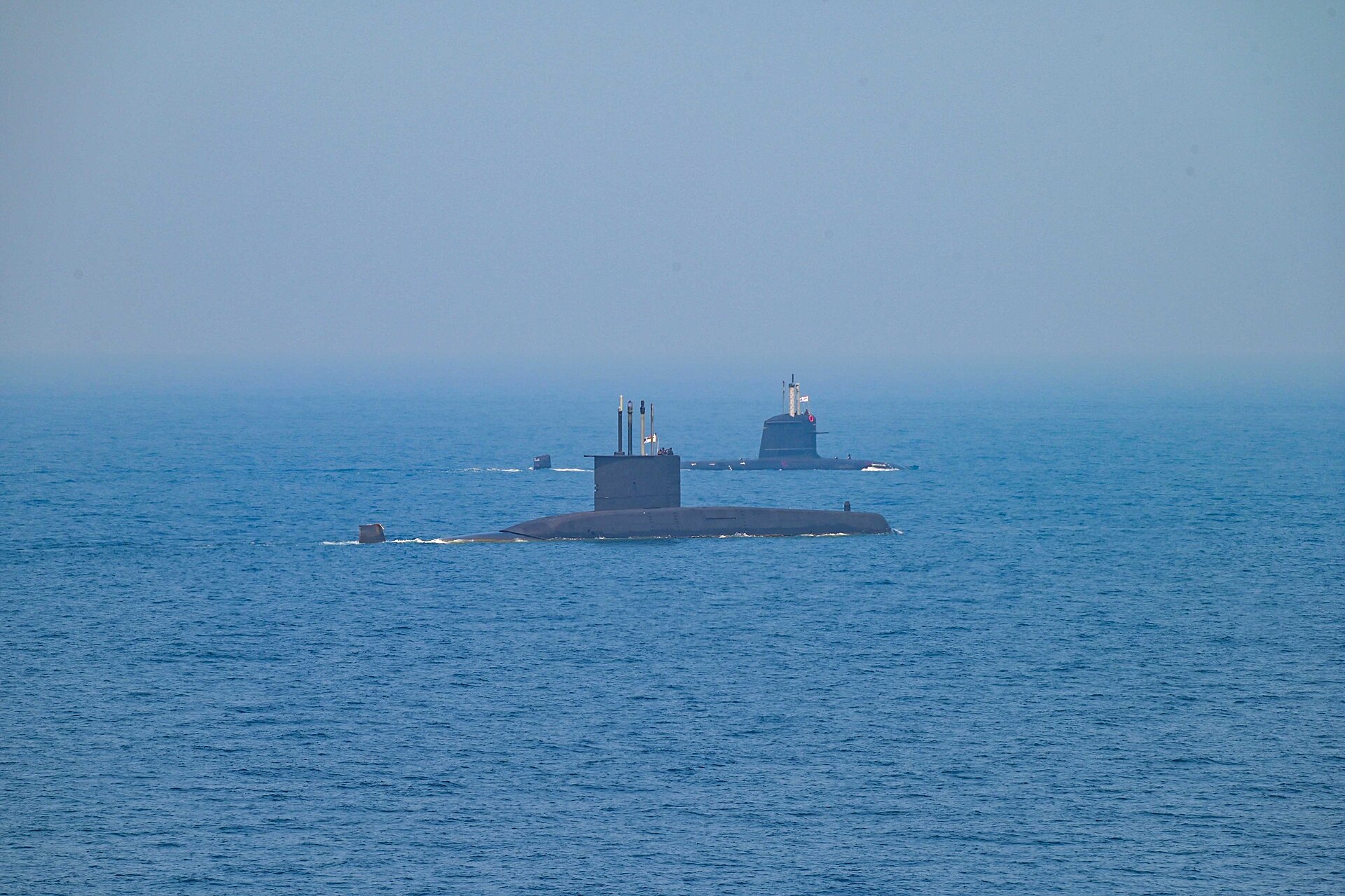
Project 75I (often written P-75I) is one of the biggest and longest-running defence procurements in India. It aims to give the Indian Navy six modern conventional submarines with air-independent propulsion (AIP), built in India with German technology. After more than two decades of delays, the programme is finally close to a contract.
- Six diesel-electric submarines with air-independent propulsion
- Partnership between Mazagon Dock Shipbuilders (MDL) and Germany’s TKMS
- Design derived from TKMS’s Type 214 family with fuel-cell AIP
- Estimated value of around Rs 70,000 crore (about $8 billion) or more
- First boat expected roughly seven years after contract signature
What is Project 75I?
India’s 30-year submarine plan, approved in 1999, called for two lines of conventional submarines. The first, Project 75, produced six French-designed Kalvari-class (Scorpene) boats at Mazagon Dock in Mumbai; the last, INS Vagsheer, was commissioned in January 2025. Project 75I is the second line, with the “I” standing for India: the boats must be built locally under the Strategic Partnership model with significant technology transfer.
Why AIP matters
Conventional submarines must surface or snorkel regularly to run diesel engines and recharge batteries, which makes them vulnerable to detection. Air-independent propulsion lets a submarine stay submerged for up to two to three weeks at low speed. TKMS uses hydrogen fuel cells, a system already proven at sea in German, Italian, South Korean and other navies.
Who is building the submarines?
Two Indian shipyards made it to the final stage: MDL with TKMS, and Larsen & Toubro with Spain’s Navantia. In 2025 the MDL-TKMS bid emerged as the only compliant offer after field evaluations, and the Ministry of Defence opened commercial negotiations with it. Reports in 2026 say price negotiations have been concluded, with the contract awaiting approval from the Cabinet Committee on Security.
How much will it cost?
Official figures have not been published. Indian media put the value at around Rs 70,000 crore (roughly $8 billion), with some estimates higher once weapons, spares and infrastructure are included. That would make it one of the largest Make in India defence contracts ever signed.
Why the Indian Navy needs it
India’s underwater fleet is ageing. Several Russian-built Kilo-class and German Type 209 boats are more than 30 years old. At the same time, China’s navy is expanding rapidly and deploying submarines into the Indian Ocean, while Pakistan is receiving Chinese Hangor-class AIP submarines. The Navy has long said it needs at least 18 conventional submarines, and it operates far fewer modern boats than that.
Verdict
Project 75I has become a symbol of India’s slow procurement system, but it is now closer than ever to reality. If the contract is signed as expected, the first submarine would still be years away, so the Navy will rely on upgrades and stopgap measures in the meantime. Getting the programme moving matters as much for India’s shipbuilding industry as for its naval power.
Featured image: Government of India / GODL-India, via Wikimedia Commons