Tor-M2 Air Defence System: Range, Missiles and Combat Record
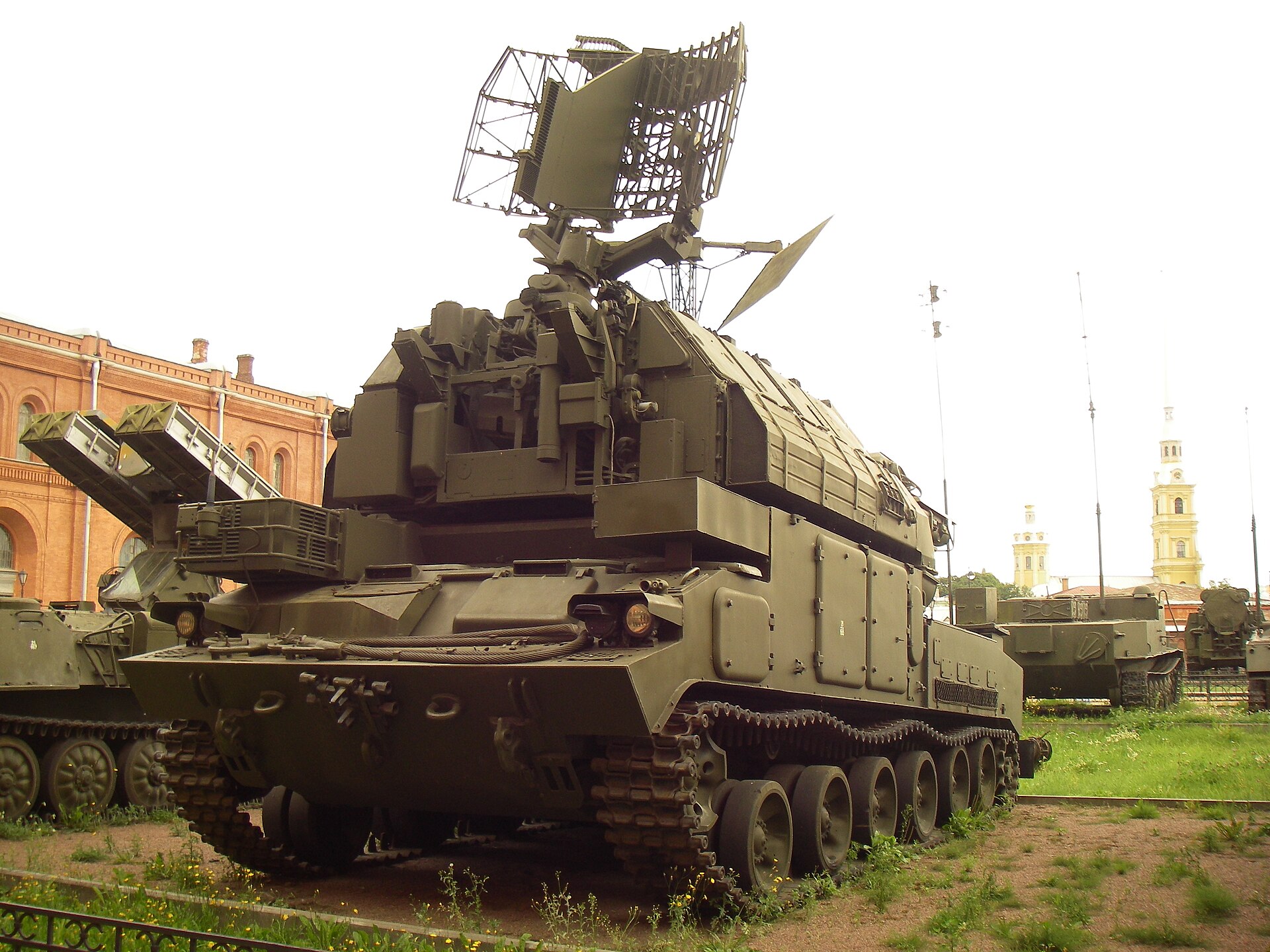
Long-range systems like the S-400 get the headlines, but Russia’s armies are protected day to day by short-range defences such as the Tor-M2. Designed to shoot down aircraft, helicopters, cruise missiles and drones close to the front line, it is one of the most widely used Russian air defence systems in the war in Ukraine. Here is what it is and how well it works.
- Short-range SAM system, successor to the Soviet Tor
- 16 9M338 missiles per launcher
- Engagement range about 15 km, altitude up to about 10 km
- Can engage four targets at once and fire on the move
- Tracked, wheeled and Arctic versions exist
What is the Tor-M2?
The Tor-M2 (9K332) is the latest member of the Tor family, first fielded by the Soviet Army in the 1980s. Each self-contained combat vehicle carries its own search radar, tracking radar and missiles, so it can fight alone or as part of a network. The family’s NATO reporting name is SA-15 Gauntlet.
Missiles and performance
The Tor-M2 fires the 9M338 missile, which is smaller than earlier Tor missiles, so each launcher carries 16 rounds in four container modules instead of eight. The system can engage targets out to about 15 kilometres and up to roughly 10 kilometres altitude, and it can guide missiles against four targets at the same time. Its most important advantage over older versions is the ability to fire while moving, letting it protect columns of tanks and vehicles on the march.
Versions
Several variants exist. The Tor-M2U is the standard tracked version for the Russian Army. The Tor-M2K is mounted on a wheeled chassis, and the Tor-M2KM is a modular version that can be placed on almost any truck or even on a ship’s deck. The Tor-M2DT is built on a two-section articulated tracked vehicle for operations in the Arctic.
Combat use in Ukraine
In Ukraine, Tor-M2 units protect front-line forces from drones, glide bombs and guided rockets. Russian sources credit them with many interceptions, but the system has also shown limits: swarms of small FPV and loitering drones can saturate a launcher with only 16 missiles, and several Tor systems have been destroyed by Ukrainian drones and artillery. Ukraine has also captured Tor launchers and turned them against Russian aircraft.
Who uses it?
Russia is the main operator. Belarus, Egypt and Armenia have bought Tor-M2 variants, while older Tor-M1 systems serve in countries such as Iran, Greece, Cyprus and Venezuela. Earlier Tor versions have a mixed record, including the tragic downing of a Ukrainian airliner by an Iranian Tor-M1 in 2020.
Verdict
The Tor-M2 is a capable, mobile short-range air defence system and an essential layer of Russia’s integrated air defence. Its weakness is not the radar or the missile but the economics of modern war: a costly interceptor fired at a cheap drone is a losing trade, which is why Russia, like everyone else, is now adding guns, jammers and interceptor drones alongside it.
Featured image: User:One half 3544 / Public domain, via Wikimedia Commons