Top 10 Counter-Drone Systems in the World (2026)
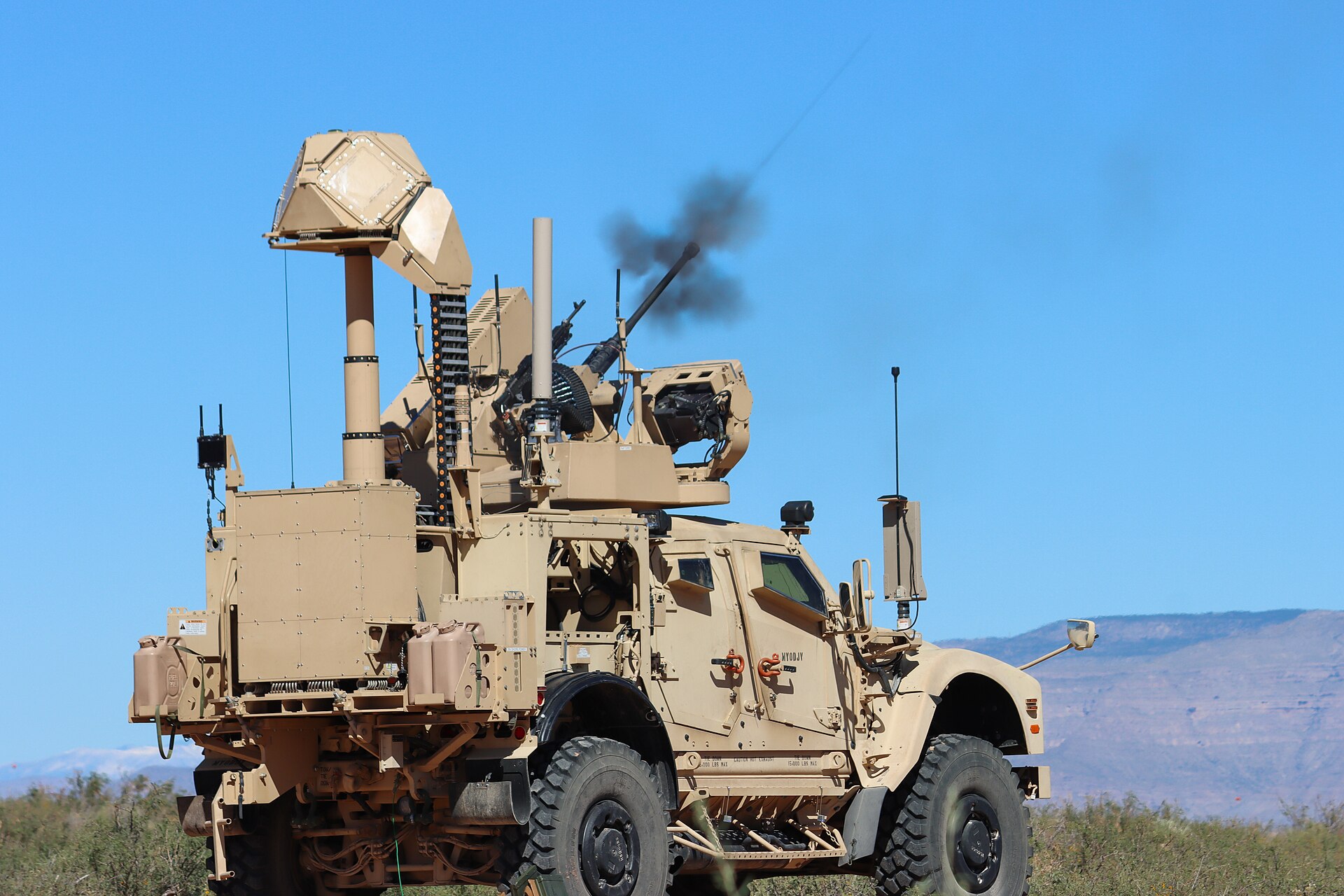
Cheap drones have changed war faster than any weapon in decades. From Ukraine to the Red Sea, armies now need defences that can stop swarms of small, inexpensive aircraft without firing a million-dollar missile at each one. Here are ten of the most important counter-drone systems in 2026, chosen for combat record, technology and cost per kill.
- Drones are now the most common threat on the battlefield
- Defences mix guns, missiles, jammers, lasers and microwaves
- Cost per kill is the key metric
- Iron Beam and DragonFire bring lasers into service
- Ukraine’s interceptor drones are the cheapest answer yet
1. Raytheon Coyote (United States)
The Coyote is a small, tube-launched interceptor drone guided by the KuRFS radar. Used by the US Army in the Middle East, it has destroyed many hostile drones and is cheaper than a conventional surface-to-air missile. A non-explosive version is designed for reuse.
2. L3Harris VAMPIRE (United States)
VAMPIRE turns a pickup truck into a counter-drone launcher firing laser-guided APKWS rockets. It was rushed to Ukraine and proved that a guided rocket costing a fraction of a missile can bring down Shahed-type drones.
3. Rheinmetall Skynex (Germany)
Skynex links 35 mm revolver cannons firing programmable AHEAD ammunition to a radar and fire control system. Each round bursts into a cloud of tungsten pellets in front of the target. Ukraine has used it against cruise missiles and drones.
4. Rheinmetall Skyranger 30 (Germany)
Skyranger 30 puts a 30 mm cannon, radar and optional missiles on armoured vehicles such as the Boxer, giving moving troops their own drone shield. Germany, Austria, Denmark, the Netherlands and other countries have ordered it.
5. Iron Beam (Israel)
Rafael’s Iron Beam is a high-energy laser that destroys rockets, mortar bombs and drones for the cost of electricity. After years of development, it began entering Israeli service in 2025, making Israel one of the first countries with an operational high-power air-defence laser.
6. DragonFire (United Kingdom)
The UK’s DragonFire laser has hit targets at long range in trials and is being fitted to Royal Navy Type 45 destroyers from 2027. Britain says each shot costs around £10, a dramatic contrast with missiles.
7. Epirus Leonidas (United States)
Leonidas uses high-power microwaves to fry the electronics of many drones at once. That makes it one of the few systems designed specifically to defeat swarms, and the US Army is testing it to protect bases.
8. DroneShield (Australia)
DroneShield specialises in electronic warfare: handheld “drone guns”, vehicle-mounted jammers and sensors that detect and disrupt a drone’s control and navigation links. Its products are now used by militaries and security forces worldwide, including in Ukraine.
9. ASELSAN Korkut and İHTAR (Türkiye)
ASELSAN’s Korkut is a tracked 35 mm air-defence gun using programmable ammunition, while İHTAR combines radar, cameras and jammers to detect and neutralise small drones. Together they form a layered Turkish counter-drone shield.
10. Ukrainian interceptor drones (Ukraine)
Ukraine’s answer to mass Shahed attacks is fast, cheap interceptor drones such as the Sting. Costing a few thousand dollars, they hunt attack drones at night and have become one of the most cost-effective counter-drone tools ever fielded.
The bottom line
No single system can stop every drone. The armies doing best combine sensors, jammers, guns, interceptors and, increasingly, lasers in layers. The winner in this race will be whoever brings the cost of each kill closest to the cost of the drone itself.
Featured image: Spc. Everett Sharp / Public domain, via Wikimedia Commons