How Strong Is South Korea’s Military in 2026? Troops, K2 Tanks, KF-21 and Arms Exports
South Korea has the fifth most powerful military in the world in 2026, according to Global Firepower, ahead of France, Japan and the United Kingdom. Built to deter North Korea across one of the most heavily armed borders on Earth, it combines a large conscript force with modern, mostly homegrown equipment, and its defense industry has become one of the world’s biggest arms exporters.
- Global Firepower 2026 rank: 5th
- Defense spending: roughly $45 billion (~2.5% of GDP)
- Active personnel: about 450,000 (conscription ~18 months)
- Flagship systems: K2, K9, KF-21, KSS-III, Hyunmoo-5
- US troops in South Korea: about 28,500
Budget and people
Seoul spends roughly $45 billion a year on defense, around 2.5% of GDP, one of the highest shares among developed democracies. The armed forces have around 450,000 active personnel, kept up by compulsory military service of about 18 months for men. That number is shrinking fast: South Korea has the lowest birth rate in the world, and planners are turning to drones, robots and automation to fill the gaps.
Ground forces: K2 and K9
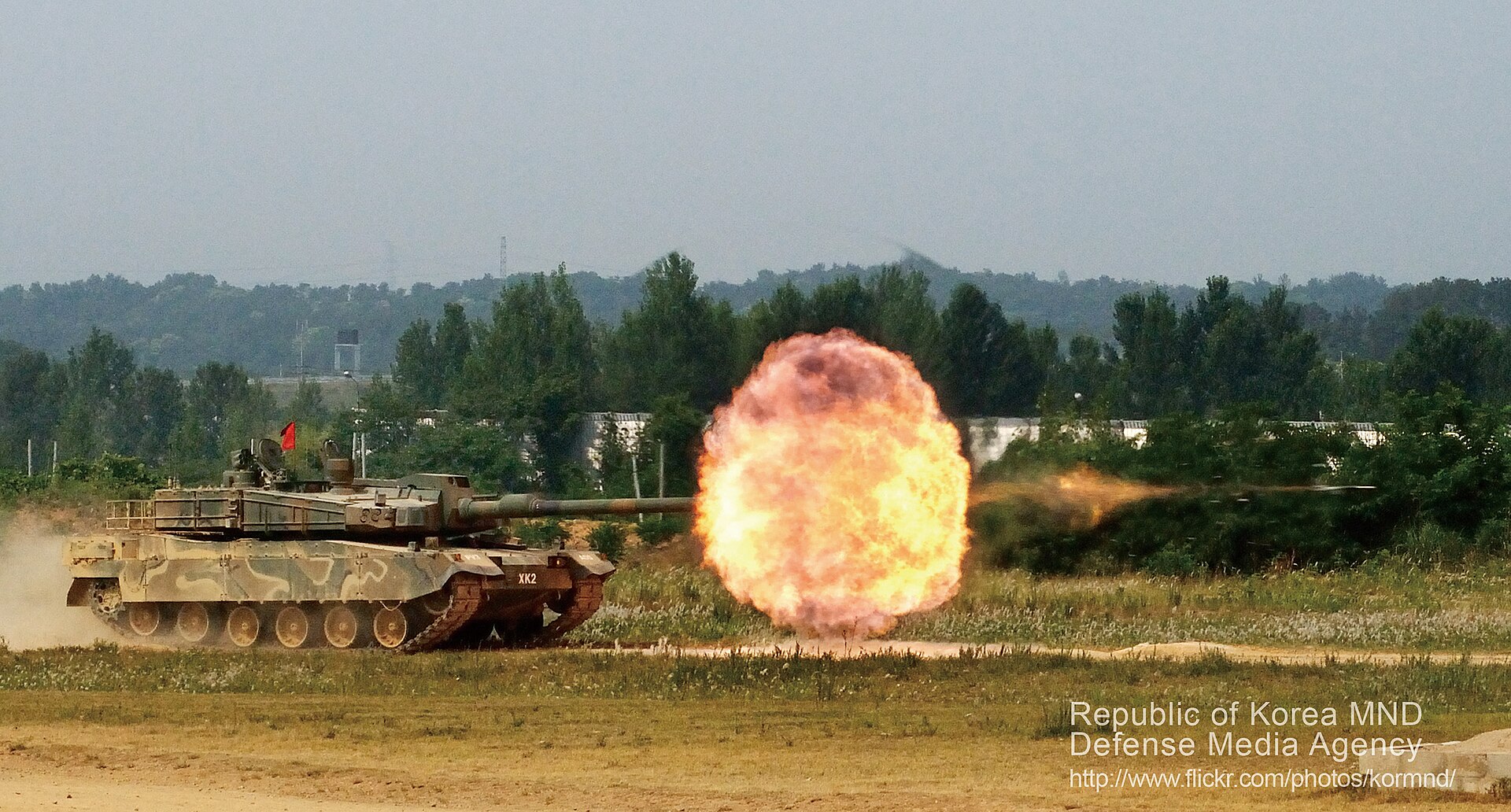
The Army fields the K2 Black Panther, one of the most advanced tanks in service, alongside upgraded K1 tanks, K21 infantry fighting vehicles and the K9 Thunder self-propelled howitzer, the world’s best-selling modern artillery system. The K239 Chunmoo rocket launcher adds long-range fires.
Air Force: F-35s and the KF-21
The Republic of Korea Air Force flies F-35As, F-15Ks and upgraded KF-16s. Its biggest program is the KF-21 Boramae, a domestically developed 4.5-generation fighter designed with future stealth upgrades in mind, which is moving from flight testing into service. The light FA-50 has become a major export success.
Navy: Aegis destroyers and SLBM submarines
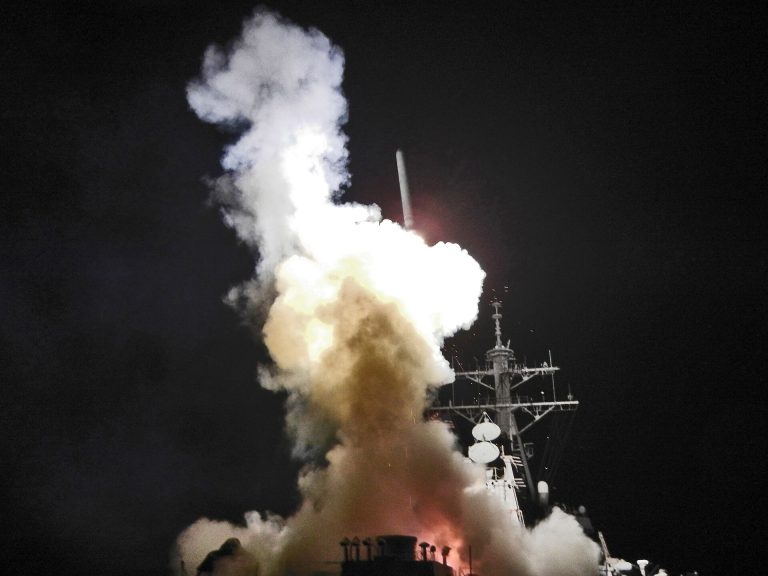
The Navy operates Sejong the Great-class Aegis destroyers, which carry more missiles than any other destroyer in service, and KSS-III Dosan Ahn Changho-class submarines capable of launching ballistic missiles, a rare capability for a non-nuclear state.
Missiles
South Korea has built a powerful conventional missile force, including the Hyunmoo family of ballistic missiles. The Hyunmoo-5 carries an extremely heavy warhead designed to destroy deep underground bunkers, part of Seoul’s “Three-Axis” strategy to pre-empt and punish North Korean attacks.
K-defense: an export powerhouse
Since 2022, Korean firms such as Hyundai Rotem, Hanwha Aerospace and KAI have signed huge deals, led by Poland’s orders for K2 tanks, K9 howitzers, FA-50 jets and Chunmoo launchers. Korean equipment is now sold from Europe and the Middle East to Australia and Southeast Asia, prized for quick delivery and competitive prices.
Weaknesses
South Korea does not have nuclear weapons and relies on the US “nuclear umbrella” and around 28,500 American troops based in the country. Shrinking manpower is a long-term threat, and North Korea’s growing nuclear arsenal keeps the pressure high.
Verdict
South Korea is one of the world’s top conventional military powers, with modern equipment, high readiness and an industry that can produce at scale. Its main strategic questions are how to keep enough soldiers in uniform and how to deter a nuclear-armed neighbor.
Featured image: Republic of Korea Army / CC BY-SA 2.0, via Wikimedia Commons