US Clears $2.68B Ukraine Air Defense Sale With S-300 Compatible Missiles
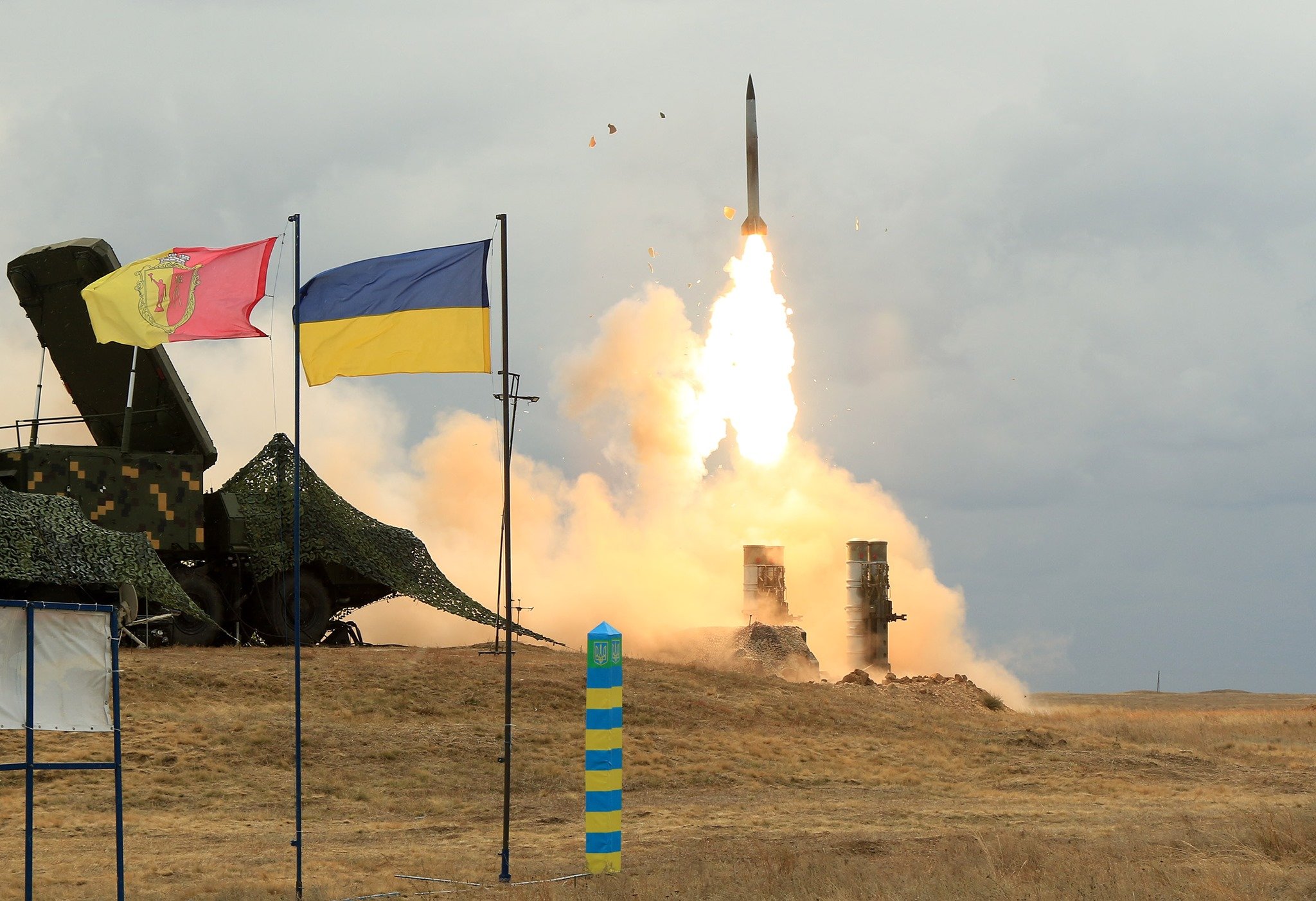
The U.S. State Department cleared a potential $2.68 billion foreign military sale to Ukraine on 18 September 2026, covering interceptors, counter-drone radars, launcher conversion kits and the sustainment package needed to hold the whole arrangement together. The approval is notable less for its headline value than for its shape: it is a package designed to keep Ukraine’s existing, improvised air-defence network running rather than to hand Kyiv another Western system to learn from scratch.
What Is in the Package
The notification from the Bureau of Political-Military Affairs lists several distinct capability lines. Chief among them are what the release describes as S-300 Clone missiles and GAM-67 missiles — Western-produced rounds intended to be fired from Soviet-pattern launchers Ukraine already fields. Alongside them are Range-Extended Air Defense Laser Guided Rockets, a lower-cost interceptor class aimed at the drone and cruise-missile end of the threat spectrum rather than at ballistic targets.
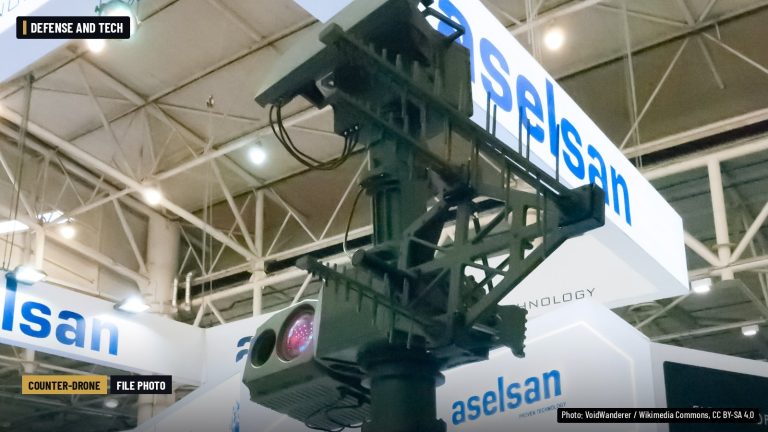
The hardware side includes Improvised Transporter Erector Launcher 1.5 equipment and modification kits for mobile launching systems, RPS 202 counter-unmanned aircraft system radars, and erectable mast trailers to get those sensors above terrain clutter. Spare parts, software and technical publications round out the request.
Read together, the list describes a layered architecture rather than a single system: sensors to find low, slow targets; cheap interceptors to engage them; adapted launchers so Ukraine can fire new munitions from old rails; and the logistics tail to keep it in the field.
The S-300 Interceptor Problem
The most consequential item is the S-300-compatible round. Ukraine inherited a dense Soviet air-defence network — S-300P and S-300V batteries, Buk-M1 systems and a wide range of legacy radars — and it has spent more than four years burning through a finite stock of Russian-made interceptors that no friendly country can resupply. Every S-300 launcher that runs dry is a trained crew and a working radar taken off the board for want of a missile.
Filling that magazine with Western production has been an obvious requirement since 2022 and a genuinely hard engineering problem, involving launcher interfaces, guidance datalinks and fire-control integration. A U.S.-funded programme to field compatible rounds at scale would extend the service life of hardware Ukraine already knows how to operate and maintain, and would do so without the training and basing overhead that accompanies each new Western battery.
No Prime Contractor Yet
Unusually for a sale of this size, the State Department identified no principal contractor. Instead, the release says the requirement will be met through competitive procurements run by the U.S. government under federal acquisition rules. That is a structure more typical of a rapid-acquisition programme than of a classic FMS case, and it suggests the government intends to keep multiple suppliers in play on interceptor lines where production capacity, not design maturity, is the constraint.
The financing arrangement is equally distinctive. Ukraine would pay through a combination of European contributions and previously appropriated U.S. Foreign Military Financing, with the American portion credited to the Ukraine Reconstruction Investment Fund. In practice this is the mechanism that has come to characterise 2026-era transfers: European money buying American production, with Washington acting as contracting authority rather than donor.
Why the Counter-Drone Lines Matter
The RPS 202 radars and laser-guided rockets address a cost problem that has shaped the air war. Russian one-way attack drones of the Shahed/Geran family cost a fraction of the surface-to-air missiles historically used to shoot them down, and Russia has expanded launch volumes to the point where nightly raids are measured in the hundreds. Defending against that with high-end interceptors is arithmetic no defence budget survives.
Pairing a dedicated counter-UAS sensor with a guided rocket in the tens of thousands of dollars per shot changes the exchange ratio without asking Patriot or NASAMS batteries to spend rounds reserved for ballistic and cruise threats. The mast trailers are part of the same logic — low-flying drones are a line-of-sight detection problem, and elevation is the cheapest fix available.
Approval Is Not a Contract
A State Department clearance and congressional notification authorise a sale; they do not obligate one. Quantities, delivery schedules and final value routinely change between notification and contract, and some notified cases are never executed at all. What the 18 September approval establishes is that the U.S. government has cleared the policy and export path for Ukraine to buy Western-built interceptors for Soviet-pattern launchers at scale, financed largely by European partners.
For Ukraine, the practical question is how quickly the production lines behind those interceptors can deliver. Air defence attrition is continuous, and the difference between a notified sale and a fielded round is measured in the months of raids that occur in between.
Sources
- U.S. Department of State, Bureau of Political-Military Affairs — “Ukraine – Air Defense Development Upgrade,” 18 September 2026
- Army Recognition — “U.S. Clears Potential $2.68B Package to Expand Ukraine’s Air Defense Network”
- Kyiv Post — “State Dept Approves $2.68B Air Defense Package for Ukraine”