Typhon Missile System Explained: The US Army’s Tomahawk Launcher That Worries China
For more than three decades, the US had no ground-launched missiles with ranges between 500 and 5,500 kilometres, because the 1987 INF Treaty with the Soviet Union banned them. The treaty collapsed in 2019, and the US Army has since fielded a new system to fill that gap: the Typhon, also called the Mid-Range Capability. Here is what it is and why it matters.
- US Army land-based launcher built by Lockheed Martin
- Fires Tomahawk cruise missiles and SM-6 missiles
- First battery fielded in 2022
- Deployed to the Philippines in 2024 and used in exercises in Australia and Japan
- Possible only since the INF Treaty ended in 2019
What is Typhon?
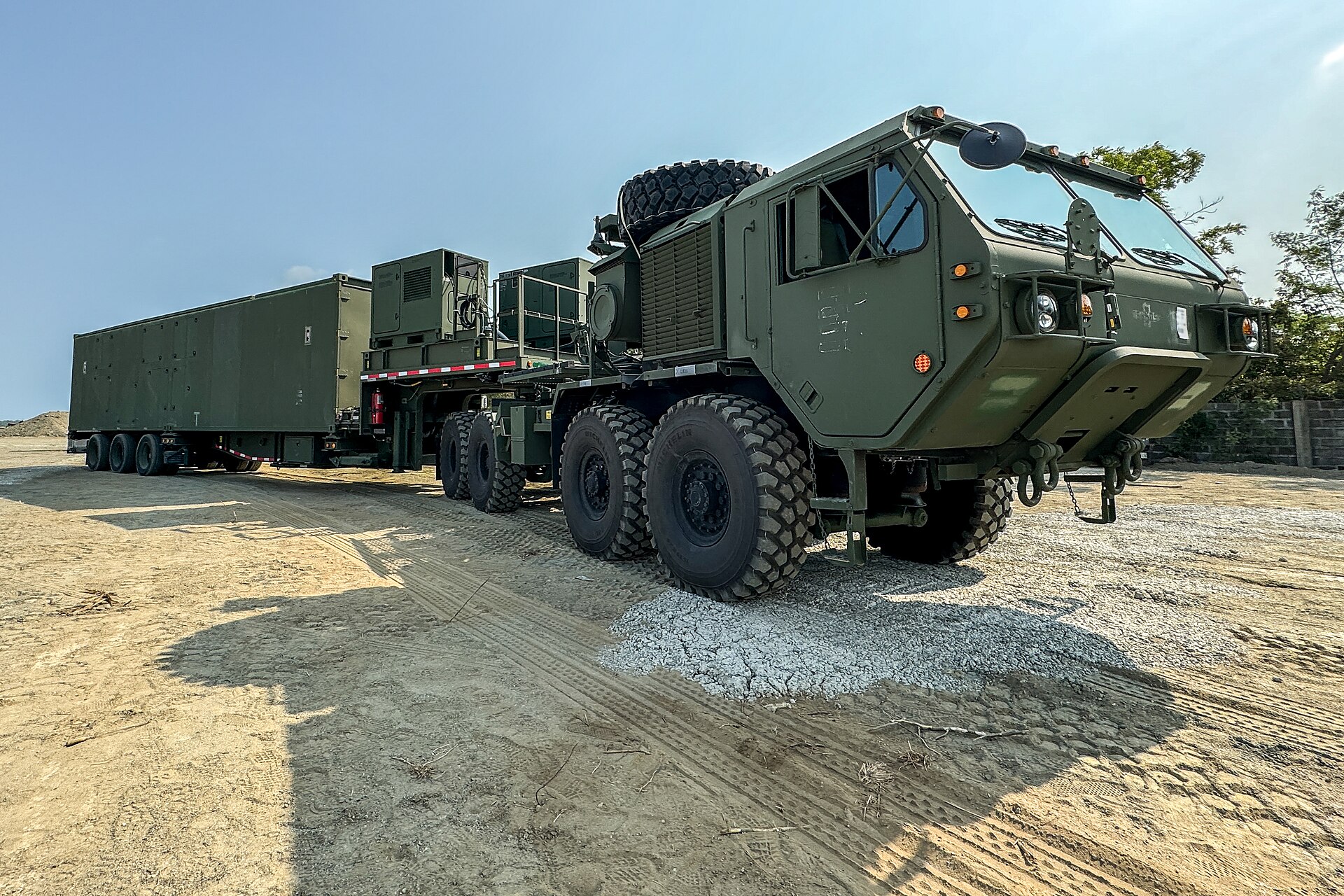
Typhon, built by Lockheed Martin, takes missiles normally fired from Navy warships and puts them on land. A battery consists of a command post and four trailer-mounted launchers, each based on the Navy’s Mk 41 vertical launch system and holding four missiles. The trailers are pulled by trucks and can be moved by large transport aircraft such as the C-17.
The missiles
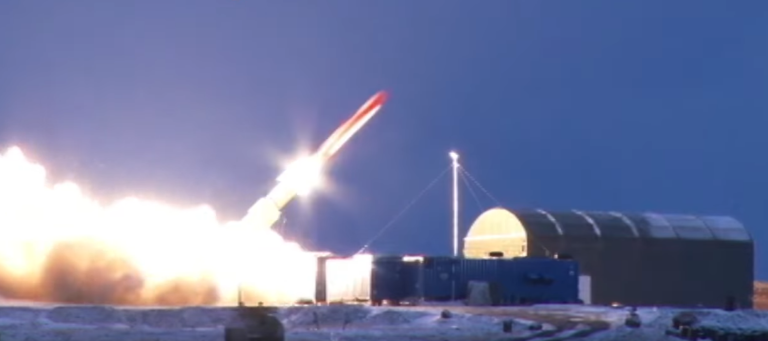
Typhon fires two missiles. The Tomahawk cruise missile can strike land and, in its newest versions, moving ships at ranges of more than 1,600 kilometres. The SM-6 is a fast, multi-role missile that can intercept aircraft and missiles or strike ships and land targets at shorter ranges. That combination gives Typhon both long-range strike and anti-ship roles.
Deployments
The Army fielded its first Typhon battery in late 2022 with the 1st Multi-Domain Task Force. In April 2024 it deployed the system to the Philippines for an exercise and kept it there, the first time US ground-based missiles of this range had been stationed in the region. Typhon has since taken part in exercises in Australia, where it fired an SM-6 in 2025, and in Japan. Washington has also announced plans to rotate long-range fires, including Typhon, through Germany.
Why China and Russia object
From the Philippines, Typhon’s Tomahawks can reach large parts of the South China Sea and the Chinese coast. Beijing has repeatedly demanded its withdrawal and called it destabilising. Russia also condemned the planned deployments in Europe, while pointing to its own new intermediate-range missiles. For the US and its allies, however, Typhon is a way to complicate Chinese planning and support allied defence of key straits and islands.
Strengths and weaknesses
Typhon’s strengths are reach, flexibility and the use of proven Navy missiles. Its weaknesses are size and cost: the launchers are large, easy to spot and not as mobile as truck-mounted rocket systems such as HIMARS. The Army is also developing smaller, cheaper long-range missiles, and allies like Japan are building their own.
Verdict
Typhon marks the return of US land-based intermediate-range missiles after the INF era. It is still small in number, but its presence in Asia and possibly Europe is already reshaping deterrence and arms control debates.
Featured image: Capt. Ryan DeBooy, United States (US) Army / Public domain, via Wikimedia Commons