Top 10 Armored Personnel Carriers in the World in 2026
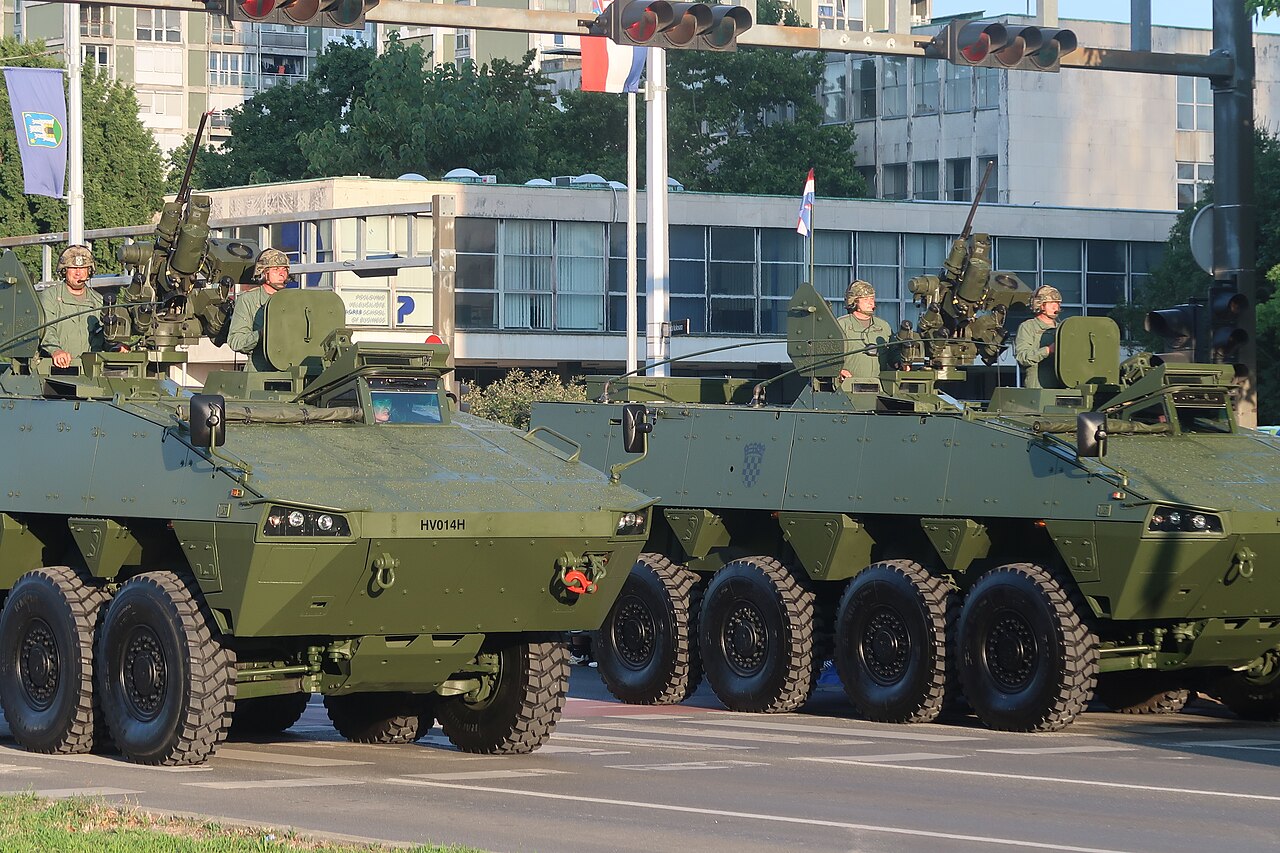
The best armored personnel carrier of 2026 is the Boxer, a modular 8×8 vehicle of up to about 38 tonnes now in service with Germany, the Netherlands, the UK and Australia. This ranking orders the ten best armored personnel carriers (APCs) by protection, mobility, modularity, combat record and export success.
How this ranking works
Each vehicle was scored on five factors weighted roughly equally: protection against mines, artillery fragments and small arms, mobility on road and off road, modularity for different missions, and combat record with adoption and upgrade potential. Production numbers and export success break ties. The list focuses on vehicles designed mainly to carry troops, although the line between APCs and infantry fighting vehicles is blurry, and some entries carry turrets. Figures for Russian and Chinese vehicles come largely from manufacturer claims and state media and are treated with caution. Consistent with this site’s editorial policy, companies and platforms headquartered in Israel are excluded from consideration.
Top 10 armored personnel carriers in 2026
| Rank | Vehicle | Country | Layout | Edge |
|---|---|---|---|---|
| 1 | Boxer | Germany / Netherlands | 8×8 wheeled | Modular mission modules, strong protection |
| 2 | Patria AMV XP | Finland | 8×8 wheeled | Proven, widely exported, adaptable |
| 3 | Stryker | USA | 8×8 wheeled | Large fleet and combat experience |
| 4 | Griffon | France | 6×6 wheeled | Part of the Scorpion program, networked |
| 5 | AMPV | USA | Tracked | Replaces the M113, better mine protection |
| 6 | ACV | USA | 8×8 amphibious | Marine Corps vehicle with swim capability |
| 7 | Piranha V | Switzerland / USA | 8×8 wheeled | Long family heritage, flexible |
| 8 | FNSS Pars and Kaplan | Türkiye | 8×8 and tracked | Strong export record, active use |
| 9 | BTR-82A | Russia | 8×8 wheeled | Mass-produced, claims from the maker |
| 10 | ZBL-09 (Type 08) | China | 8×8 wheeled | Standard PLA wheeled APC, state-reported |
The top ten explained
The Boxer takes first place for its modular design. A drive module carries interchangeable mission modules for troop transport, ambulance, command, or turreted infantry fighting roles, which makes it cheap to adapt. See our Boxer specifications guide for details. The Patria AMV XP is a close second, with a record from Finnish, Polish, Japanese and Slovak users, and our Patria AMV XP guide covers the improved version.
The Stryker is third because of its sheer numbers and experience from Iraq and Afghanistan, although it is older and less well protected than newer designs. Our Boxer vs Stryker comparison shows the trade-offs. France’s Griffon is a lighter 6×6, but it is networked into the Scorpion program and is being built in large numbers.
The US Army’s Armored Multi-Purpose Vehicle, or AMPV, is a tracked successor to the old M113, and it offers better mine protection and more internal volume. The Marine Corps’ Amphibious Combat Vehicle brings swim capability. The Piranha V continues the Swiss-origin family with strong export sales. Türkiye’s FNSS vehicles have become regular exports and combat users.
Russia’s BTR-82A is cheap and widely produced, but losses in Ukraine have exposed weak protection, according to operator-reported and open-source assessments. China’s ZBL-09 is the People’s Liberation Army’s standard wheeled infantry vehicle, and claims about its armor and mobility rest on state media. Both rank lower because verification is limited.
APC vs IFV, what is the difference
An APC is designed primarily to carry infantry safely to the battlefield, usually with a machine gun or small cannon. An infantry fighting vehicle, or IFV, carries a heavier autocannon and is intended to fight alongside tanks. In practice, many modern 8×8 vehicles can be either, depending on the turret fitted, which is why classification debates continue.
| Feature | APC | IFV |
|---|---|---|
| Main purpose | Carry troops, protect them | Carry troops and fight with them |
| Armament | Machine gun or small cannon | 20 to 40 mm autocannon, often missiles |
| Protection | Varies, mine-resistant designs common | Usually heavier armor |
| Cost | Lower | Higher |
Armored personnel carriers frequently asked questions
What is the best APC in the world in 2026?
The Boxer leads this ranking for modularity, protection and adoption, with the Patria AMV XP and Stryker close behind.
What is the difference between an APC and an IFV?
An IFV has heavier weapons and is meant to fight alongside tanks, while an APC focuses on carrying troops safely.
Are wheeled APCs better than tracked ones?
Wheels give better road speed and lower running cost, while tracks have better off-road mobility and protection potential.
What APC is replacing the M113?
The US Army is replacing it with the AMPV, which offers improved mine protection.
How many soldiers does an APC carry?
Most carry between 8 and 11 soldiers, depending on the design and mission fit.
- Manufacturer product literature
- SIPRI Arms Transfers Database
- Wikipedia – armoured personnel carrier articles (accessed October 2026)
- Defence & Tech reporting