

Signs of Life on Mars Found? Unpacking NASA Curiosity’s 3.5-Billion-Year-Old Organic Discovery
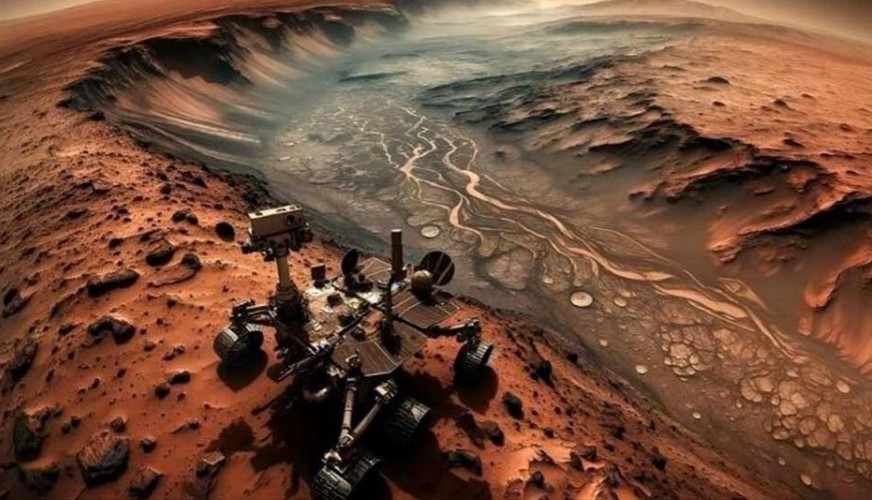
In the ultimate quest to discover life in space, global attention has once again locked onto the Red Planet. Amid a flurry of sensationalized media headlines claiming “signs of life on Mars found,” a profound and highly technical engineering triumph has been quietly achieved by NASA’s veteran Curiosity rover.
Scientists have confirmed the detection of 3.5-billion-year-old organic molecules in Martian sedimentary rocks. Astonishingly, at least seven of these molecules had never before been identified on the planet. But how was this deep-space discovery made, and what does it actually mean for the future of astrobiology?
The “Wet Chemistry” Fix: A Masterclass in Remote Engineering
The discovery is the result of a brilliant backup plan. When the drill on the Curiosity rover experienced a mechanical malfunction, it compromised the standard protocol of dropping powdered rock into the rover’s internal SAM (Sample Analysis at Mars) oven for thermal vaporization.
Knowing that extreme heat can destroy fragile molecular bonds, NASA engineers pivoted to a secondary, highly preserved system onboard. They utilized a specialized chemical solvent—held in reserve for years—to conduct a “wet chemistry” (derivatization) experiment. By soaking the Martian dust in this solvent rather than baking it, the delicate molecules were protected from thermal degradation, allowing the sensors to successfully identify complex carbon structures.
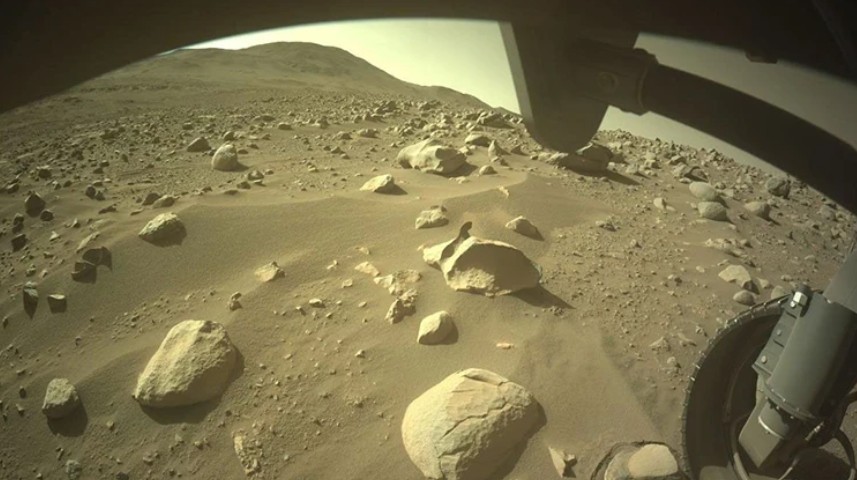
Does “Organic” Mean “Aliens”?
Herein lies the critical distinction that separates defense and aerospace intelligence from mainstream hype. The molecules discovered—such as ammonia and benzoic acid—are organic.
However, in the realm of chemistry, “organic” simply dictates that a molecule contains Carbon (C).
Biotic Origin: On Earth, the vast majority of organic molecules are produced by biological, living processes (plants, bacteria, humans).
Abiotic Origin: Crucially, organic molecules can also be forged through completely lifeless, non-biological processes, such as volcanic activity, hydrothermal vents, or deep-space asteroid impacts.
NASA’s official stance is clear: Curiosity has not found a living organism or a fossilized microbe. However, it has definitively proven that 3.5 billion years ago—when the Gale Crater was a vast lake—Mars possessed a habitable environment and the exact chemical building blocks (the raw materials) required to spark biological life.
The Future of the Hunt
Curiosity’s breakthrough serves as the ultimate targeting map for its successor, the Perseverance rover. We now know definitively that the ancient Martian environment possessed the right chemistry. The ultimate question of whether those raw materials ever ignited into biological life will likely be answered in the 2030s, when the highly anticipated Mars Sample Return mission brings these pristine rocks back to high-containment laboratories on Earth.


