Nidus Raises $30 Million to Put AI-Guided Robots in US Defense Factories
Nidus, a New York robotics software startup founded this year, has raised $30 million from Kleiner Perkins and Costanoa to automate precision assembly work in US defense factories, beginning with wire harnesses. The company announced the funding on November 10.
Ludlow Ventures, SF1, Absolute Partners and Tau also took part, alongside angel investors including Hadrian founder Chris Power, Adrian Aoun and Archer chief commercial officer Nikhil Goel. Nidus did not disclose a valuation or name its customers.
Two Rounds, One $30 Million Announcement
| Item | Detail |
|---|---|
| Company | Nidus (nidus.tech) |
| Amount | $30 million |
| Lead backers | Kleiner Perkins and Costanoa |
| Other investors | Ludlow Ventures, SF1, Absolute Partners, Tau |
| Angel investors | Chris Power (Hadrian), Adrian Aoun, Nikhil Goel (Archer) |
| Valuation | Not disclosed |
| Use of funds | Engineering hiring, more factory workflows, more deployments with US defense manufacturers |
| Announced | November 10, 2026, New York |
The company’s release presents the money as a single $30 million figure. Upstarts, which interviewed chief executive Justin Sealy, reported that it combines a pre-seed round led by Costanoa and a seed round led by Kleiner Perkins.
Nidus said the capital will go toward a larger engineering team, expansion into additional factory workflows and more deployments with US defense manufacturers. Its website says the company is “currently integrating with defense primes” and runs a factory pilot programme, without identifying any of them.
Why Nidus Is Starting With Wire Harnesses
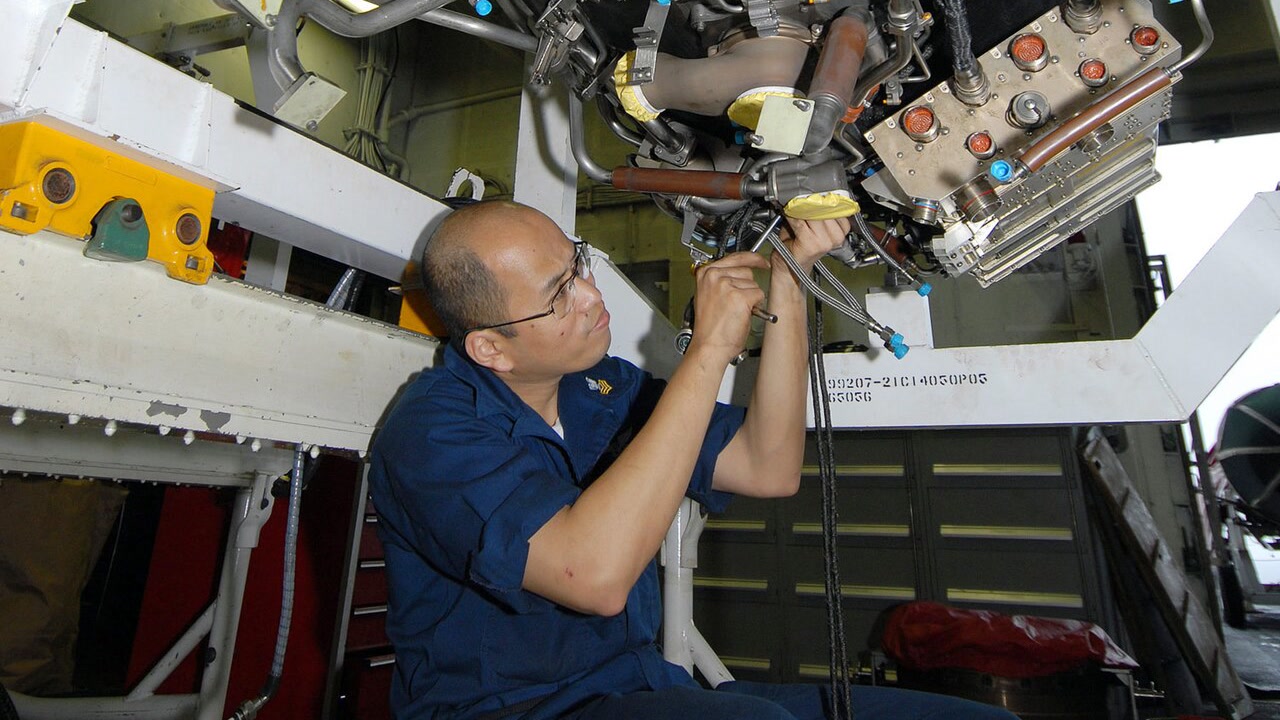
A wire harness is the bundled set of cables and connectors that carries power and signals through an aircraft, missile or vehicle. Nidus has made it the first target for its software, and the release describes a platform for wire harness automation built to meet Department of War security requirements.
The company does not build robots. It writes the models that let industrial arms already on the market handle precision assembly. Its website lists three supported arms, the UR5e, the YAM and the FANUC CRX-10iA, and five applications: wire assembly, kitting, subassembly, CNC machine tending and unpack-and-store.
Teleoperated Rigs and Models Kept Inside the Plant
According to Upstarts, operators run teleoperated robotic arm rigs and their demonstrations become training data. Nidus then fine-tunes existing AI models on that proprietary data for a specific industrial task, having started with open-source models before moving to frontier ones. The finished model runs on a GPU placed beside the robots on the factory floor.
The release calls this “sovereign AI training” and said customers keep their own data and process know-how. That matters for defense suppliers handling controlled technical data, although the company has not published details of any certification or accreditation. That reading is analysis, not a company claim.
Sealy drew a line between his market and consumer-style robot demos. “Defense is just such a different customer than folding towels at Holiday Inn,” he told Upstarts.
Where the Release and Independent Reporting Differ
| Topic | Nidus press release | Upstarts report |
|---|---|---|
| Round structure | $30 million backed by Kleiner Perkins and Costanoa | Pre-seed led by Costanoa, seed led by Kleiner Perkins |
| Early traction | Seven figures in revenue within the first four months | More than $1 million in bookings in four months from unnamed defense industrial customers |
| Founding | Not stated | March 2026, by four former colleagues from Vannevar’s hardware team |
| Headcount | Not stated | About a dozen |
| Next workflows | Additional factory workflows | Kitting, pre-assembly, printed circuit boards |
One detail is contested elsewhere. AlleyWatch’s New York funding report lists the same four founders but gives 2025 as the founding year, while Upstarts puts it at March 2026.
Nidus Company Profile
| Item | Detail |
|---|---|
| Headquarters | New York (Flatiron district, per Upstarts) |
| Founded | March 2026, per Upstarts |
| Employees | About a dozen (November 2026, per Upstarts) |
| Chief executive | Justin Sealy, co-founder |
| Co-founders | Harrison Nguyen, Charu Dwivedi, Cane Punma |
| Business | Embodied AI software for industrial robot arms in defense manufacturing |
| Listed applications | Wire assembly, kitting, subassembly, CNC machine tending, unpack-and-store |
| Funding to date | $30 million announced |
Sealy grew up in a military family in Greenwood, South Carolina, and worked as an engineer at a local manufacturer while studying at Clemson, Upstarts reported. He spent three years as a deployment strategist at Palantir in New York before joining the safety startup Peregrine and then Vannevar, where he met his co-founders.
Venture Money Moves Toward the Factory Floor
Nidus is raising into a crowded field. Upstarts named Physical Intelligence, Skild AI and Figure AI as general-purpose robotics AI labs working on related problems, along with Jeff Bezos’s Prometheus project for fully autonomous factories. Nidus is betting that a narrow start in one defense task will count for more than breadth. Kleiner Perkins investor Aatish Nayak told the outlet that “speed is the name of the game.”
The round also fits a wider flow of capital into the plumbing of defense production, from companies on our list of the top defense startups of 2026 to inspection specialists such as Gecko Robotics, whose Navy contract ceiling rose to $300 million. Established primes are spending as well, as with Lockheed Martin’s $300 million Texas missile parts expansion.
Nidus Funding and Technology FAQ
How much has Nidus raised?
$30 million, announced on November 10, 2026. Upstarts reported that the total covers a pre-seed round led by Costanoa and a seed round led by Kleiner Perkins.
What does Nidus make?
Software. The company builds AI models that let existing industrial robot arms carry out precision assembly tasks, starting with wire harness work in defense factories.
Does Nidus build its own robots?
No. Its website lists third-party arms it supports, the UR5e, YAM and FANUC CRX-10iA.
Who runs Nidus?
Co-founder and chief executive Justin Sealy. Upstarts and AlleyWatch list Harrison Nguyen, Charu Dwivedi and Cane Punma as the other founders.
Who are Nidus’s customers?
The company has not named any. It says it is integrating with defense primes and reported seven-figure revenue in its first four months.
- Nidus – “Nidus Raises $30M to Deploy Embodied Intelligence in America’s Defense Factories” (press release, November 10, 2026): prnewswire.com
- Upstarts – “Startup Nidus Raises $30M For Defense Industrial-Focused Robotics AI” (November 2026): upstartsmedia.com
- Nidus – company website (applications, supported robot arms): nidus.tech
- AlleyWatch – The New York Tech Daily Funding Report, November 10, 2026