LGM-35A Sentinel ICBM: America’s New Nuclear Missile, Its Cost and Delays
For more than half a century the land leg of America’s nuclear triad has rested on one missile: the Minuteman III. Its replacement, the LGM-35A Sentinel, is one of the largest and most controversial defence programmes in the world. Here is what Sentinel is, why it costs so much and when it might enter service.
- Replaces the Minuteman III, in service since 1970
- Built by Northrop Grumman
- Three-stage solid-fuel ICBM with intercontinental range
- Programme cost estimate rose about 81% to roughly $141 billion in 2024
- Requires hundreds of new silos across Wyoming, Montana and North Dakota
Why replace Minuteman III?
About 400 Minuteman III missiles stand on alert in silos in Wyoming, Montana and North Dakota. They entered service in 1970 and have been upgraded many times, but the airframes, launch control centres and command systems are reaching the end of their life. The Air Force argues that a new missile is cheaper and more reliable than another life extension.
What is Sentinel?
Sentinel, formerly known as the Ground Based Strategic Deterrent, is a new three-stage solid-fuel intercontinental ballistic missile built by Northrop Grumman. It is designed with a modular, digitally engineered architecture so that it can be upgraded over its expected service life into the 2070s. It will carry the new W87-1 warhead in an Mk21A re-entry vehicle and have the range to hit targets on other continents within about 30 minutes.
The cost explosion
In January 2024 Sentinel breached the Nunn-McCurdy law, which is triggered when a programme’s cost rises sharply. The Pentagon’s estimate for the acquisition programme rose by about 81 percent to roughly $141 billion. The biggest driver was the discovery that the old Minuteman silos could not simply be reused, so the Air Force must build hundreds of new silos and a new command and communications network across three states. After a review, the Pentagon certified that the programme was essential and should continue, but restructured it.
When will it enter service?
The restructuring has pushed the schedule back. The first flight tests are now expected around the end of the decade, and the missile is not expected to reach initial operational capability until well into the 2030s. That means Minuteman III must keep flying longer than planned.
The debate
Supporters say a land-based ICBM force is vital because it forces any attacker to target hundreds of silos, making a disarming first strike almost impossible. Critics argue that ICBMs are vulnerable and risky in a crisis and that the money would be better spent on submarines or conventional forces. With New START expired in 2026 and China rapidly building new silo fields, however, political support for Sentinel remains strong in Washington.
Verdict
Sentinel is meant to secure America’s nuclear deterrent until the 2070s. It is also a test of whether the Pentagon can deliver a huge, complex programme on time and on budget, a test it has so far struggled to pass.
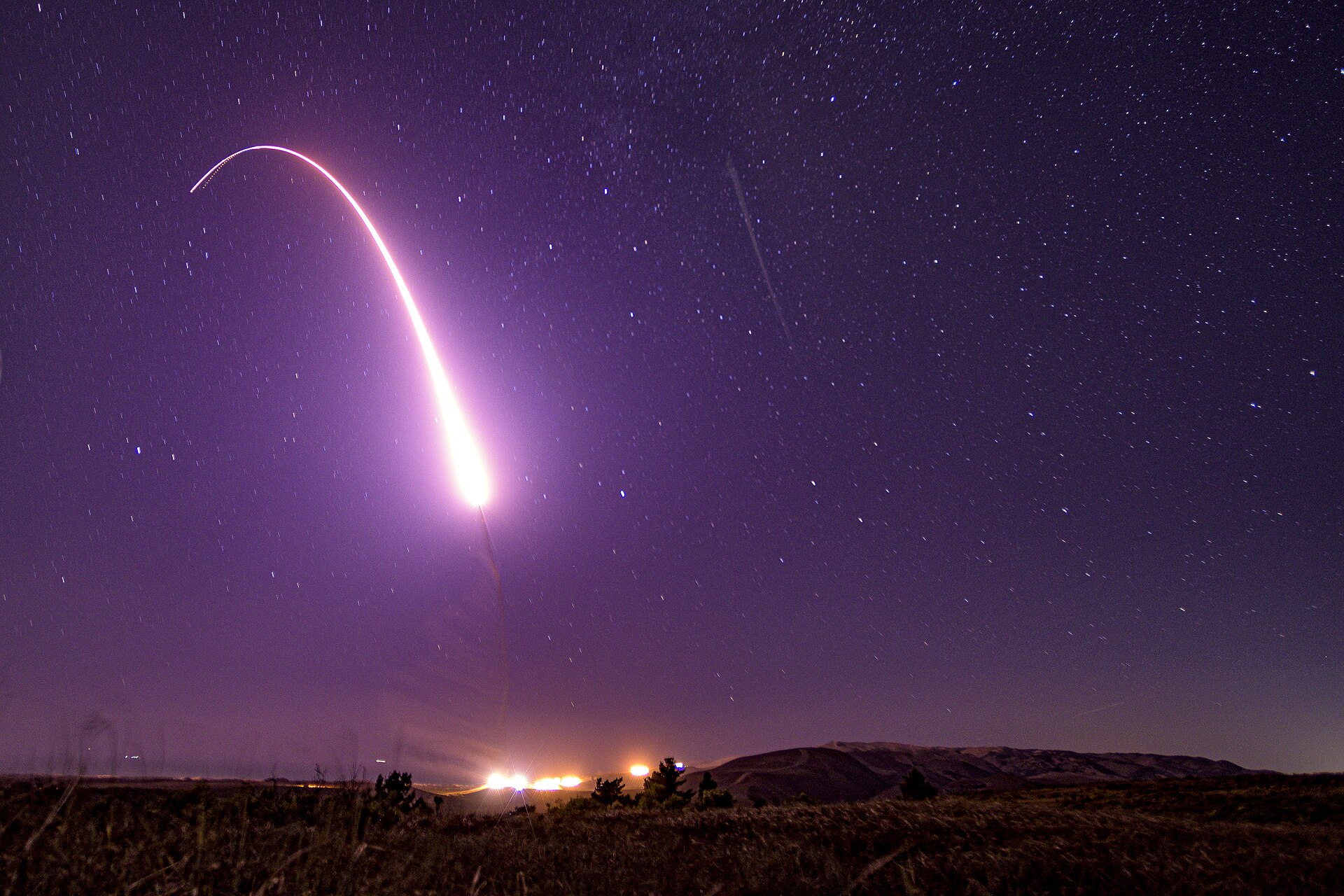
Featured image: Staff Sgt. JT Armstrong / Public domain, via Wikimedia Commons