World Military Spending Explained: Who Spends the Most and Why It Keeps Rising
The world has never spent more on its militaries. According to the Stockholm International Peace Research Institute (SIPRI), global military expenditure reached about $2.9 trillion in 2025, the eleventh consecutive year of growth. Wars in Ukraine and the Middle East, rivalry between the US and China and NATO’s new targets are all pushing budgets higher. Here is who spends the most and why.
- World total: about $2,887 billion in 2025 (SIPRI)
- The 11th straight year of growth
- US $954bn, China $336bn, Russia $190bn
- Germany up 24% in a single year to $114bn
- Europe is the fastest-growing region
The top spenders
The United States remains in a league of its own, with about $954 billion in 2025, roughly a third of the world total. China is second at an estimated $336 billion, followed by Russia at about $190 billion. Germany has climbed to fourth with $114 billion after a 24 percent jump in a single year. India ($92.1 billion), the UK ($89.0 billion), Ukraine ($84.1 billion), Saudi Arabia ($83.2 billion), France ($68.0 billion) and Japan ($62.2 billion) complete the top ten.
Europe rearms
Europe is the fastest-growing region. Russia’s war against Ukraine and doubts about long-term US commitment have pushed European governments to spend at levels not seen since the Cold War. Germany relaxed its constitutional debt brake for defence, Poland is spending more than 4 percent of GDP, and NATO’s new 5 percent target for 2035 means further growth is built in. Spain, with about $40.2 billion, made one of the sharpest increases in 2025.
Asia and the Middle East
In Asia, China’s steady increases drive responses from Japan, which is doubling defence spending toward 2 percent of GDP, Taiwan ($18.2 billion), South Korea, Australia and India. In the Middle East, Israel spent about $48.3 billion amid wars with Hamas, Hezbollah and Iran, while Saudi Arabia remains one of the biggest spenders in the world. Iran’s reported spending, about $7.4 billion, is low in dollar terms but supplemented by off-budget funding for the Revolutionary Guards.
Why the boom?
Three forces drive the trend: active wars, especially in Ukraine; great-power competition, above all between the US and China; and lessons about ammunition, air defence and drones that show how quickly modern wars consume equipment. Inflation in defence industries also means countries must spend more just to buy the same amount.
How to read the numbers
Military spending figures are not perfect. Countries define defence differently, and authoritarian states such as China and Russia publish limited data, so SIPRI uses estimates. Spending in dollars also hides differences in purchasing power: a dollar buys far more soldiers and equipment in China or India than in the US or Europe.
What comes next
With NATO’s 5 percent goal, Asian tensions and ongoing conflicts, most analysts expect global military spending to keep rising for years. The key question is whether economies, especially in Europe, can sustain it without cutting other priorities.
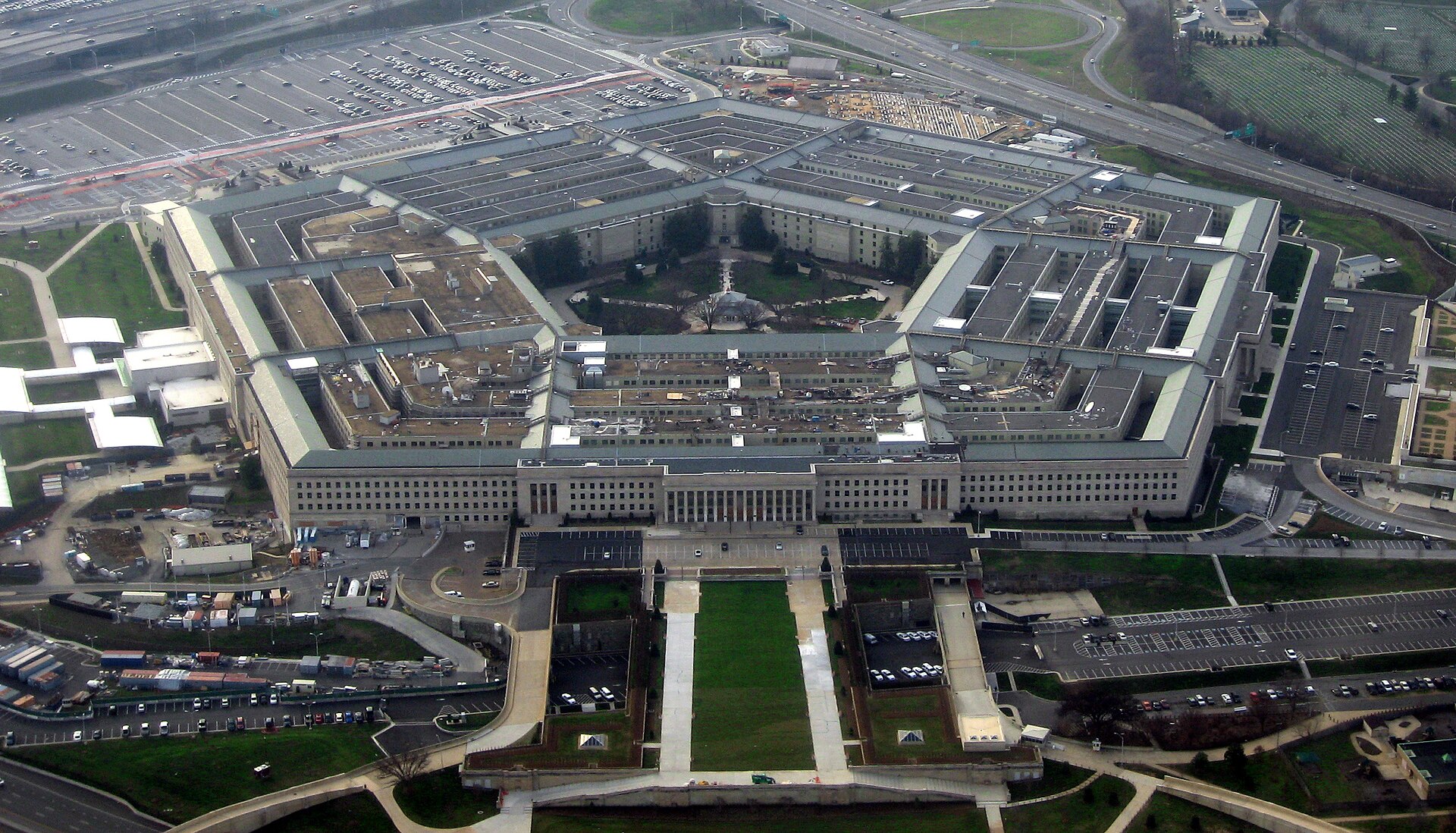
Featured image: David B. Gleason from Chicago, IL / CC BY-SA 2.0, via Wikimedia Commons