Arrow 3 Explained: How Israel’s Space Interceptor Works, Its Combat Record and Germany’s Purchase
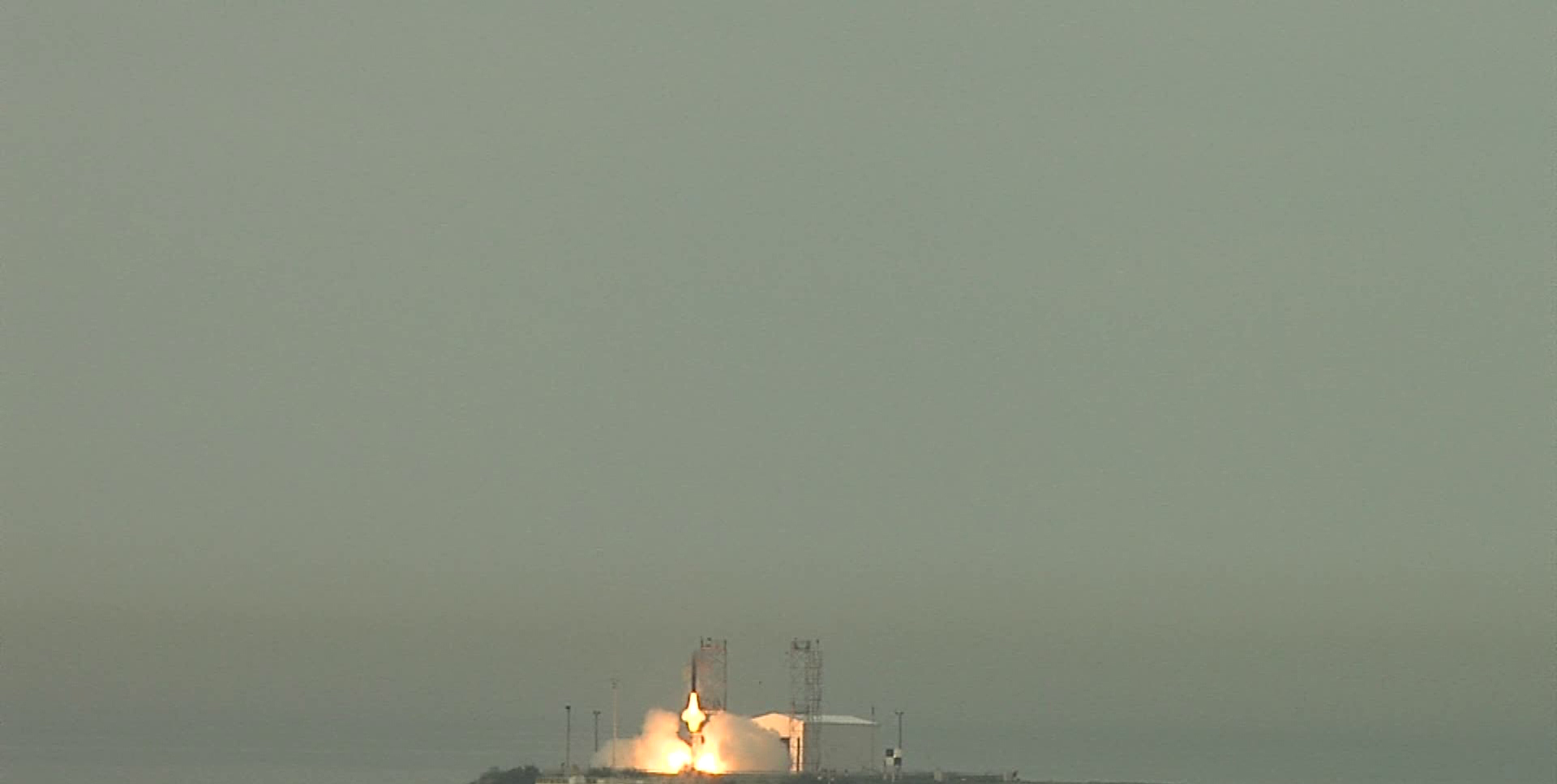
Arrow 3 is Israel’s top-tier missile defense interceptor, designed to destroy long-range ballistic missiles in space before they re-enter the atmosphere. Developed by Israel Aerospace Industries (IAI) with Boeing and funded jointly with the United States, it has gone from test program to one of the most combat-proven interceptors in the world, and it is now Germany’s first line of defense against ballistic missiles too.
- Developers: IAI and Boeing (Israel–US program)
- Type: two-stage exo-atmospheric hit-to-kill interceptor
- In service since 2017
- First combat use: November 2023 (Houthi missile)
- Export customer: Germany (operational since late 2025)
How it works
Arrow 3 is a two-stage, exo-atmospheric “hit-to-kill” interceptor. Instead of exploding near its target like many older missiles, it rams the incoming warhead directly with a maneuverable kill vehicle, destroying it through sheer kinetic energy. Because it engages targets above the atmosphere, often hundreds of kilometers away, any debris, including chemical, biological or nuclear material, is destroyed far from populated areas.
It works alongside the Green Pine and newer Super Green Pine radars, which detect and track threats at very long range, and the lower-tier Arrow 2, which engages missiles inside the atmosphere.
Place in Israel’s layered defense
Israel’s missile shield has several layers: Iron Dome and the Iron Beam laser for short-range rockets and drones, David’s Sling for medium-range threats, and Arrow 2 and Arrow 3 for ballistic missiles. Arrow 3 sits at the very top, handling the most dangerous, long-range threats.
Combat record
Arrow 3 entered service in 2017. Its first combat interception came in November 2023, when it destroyed a ballistic missile fired by Yemen’s Houthis, the first known interception in space. It was then used heavily against Iran’s mass missile attacks in April and October 2024 and during the June 2025 war, when Israel and the United States intercepted most of the hundreds of missiles fired. The intensity of that fighting raised concerns about interceptor stocks, and production has since been accelerated.
Germany’s Arrow 3
In 2023 Germany signed a deal to buy Arrow 3, its largest-ever defense export for Israel, and later expanded the order. The first German Arrow 3 system was declared initially operational in late 2025, forming the high-altitude layer of the European Sky Shield initiative alongside Patriot and IRIS-T SLM.
What’s next: Arrow 4
Israel is developing Arrow 4, designed to counter hypersonic glide vehicles and maneuvering warheads, the newest generation of threats that older interceptors struggle to stop.
Why it matters
Arrow 3 shows that ballistic missile defense can work at scale in real wars. Its main limits are cost, with each interceptor costing millions of dollars, and production capacity, both of which become critical when an enemy fires hundreds of missiles at once.
Featured image: U.S. Missile Defense Agency / Israel Missile Defense Organization / Public domain, via Wikimedia Commons