Missile Defense Layers Explained, From Boost Phase to Terminal
Missile defense layers exist because no single interceptor can cover a ballistic missile’s whole flight, so defenders stack systems across the boost, midcourse and terminal phases of a trajectory that can span 30 minutes and thousands of kilometers. Understanding the three layers, and which systems own each one, explains most of the daily news about interceptors, from Alaska’s silos to Patriot batteries outside Kyiv.
What are the layers of missile defense
| Layer | When it engages | Main systems |
|---|---|---|
| Boost | First 3-5 minutes, while the rocket burns | No fielded interceptor; directed energy and drones studied |
| Midcourse | Coast through space, up to ~20 minutes | GMD Ground-Based Interceptors, Aegis SM-3 |
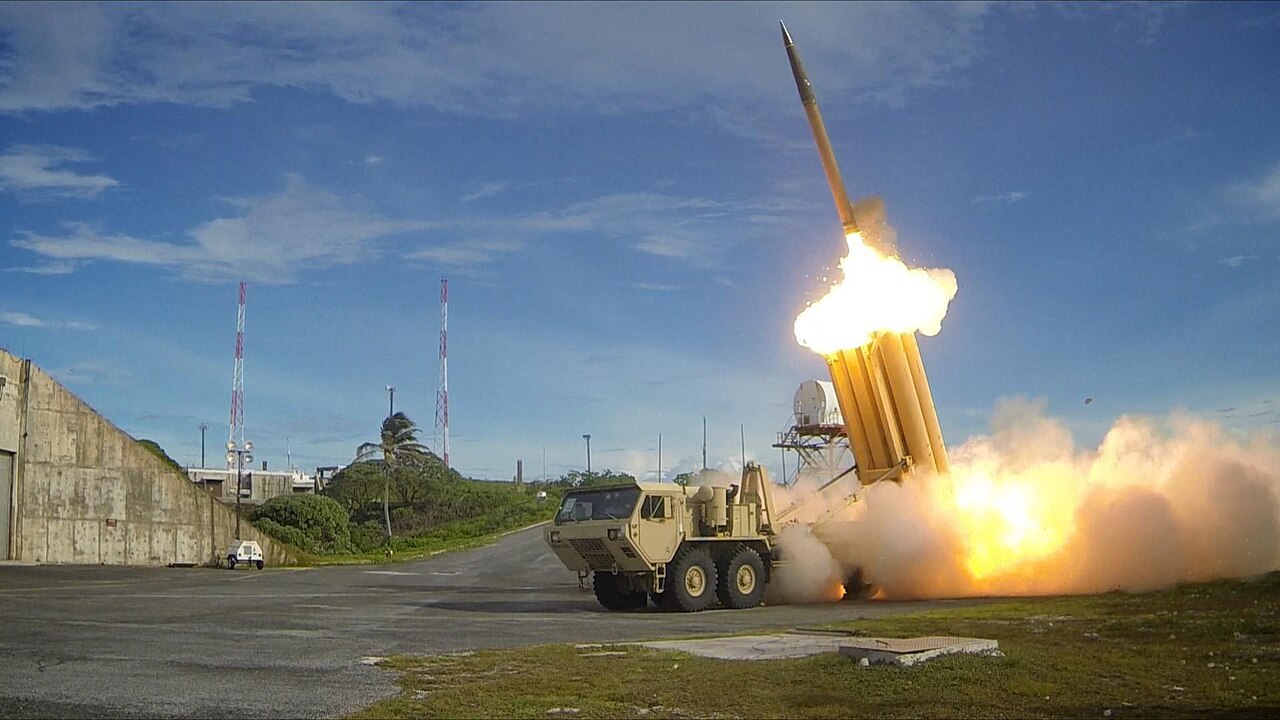
| Terminal, upper tier | Final 1-2 minutes, high endo/exoatmospheric | THAAD, Aegis SM-6, Arrow-class systems elsewhere |
| Terminal, lower tier | Final seconds, inside the atmosphere | Patriot PAC-3, SAMP/T, medium-range SAMs |
The logic of layering is simple probability. If each layer kills only a fraction of what it sees, stacking independent layers multiplies the odds, and it forces an attacker to design against three different kill mechanisms at once.
Boost phase, the layer nobody owns
Boost phase is the theoretical sweet spot, the missile is slow, bright, and has not yet released warheads or decoys. It is also the layer with no fielded system. The engagement window lasts barely three to five minutes, and the interceptor must be loitering nearly on top of the launch site when it opens. The US canceled its Airborne Laser after years of trials, and current work centers on high-altitude drones and directed energy. Until something works, every ballistic missile, and every multiple-warhead payload it carries, gets a free ride to space.
Midcourse defense, GMD and Aegis
Midcourse is where the US places its homeland bet. The Ground-based Midcourse Defense system fields 44 Ground-Based Interceptors in Alaska and California, each releasing a kill vehicle that destroys a warhead by direct collision in space, and the Next Generation Interceptor is being developed to expand and modernize the fleet. GMD is sized against limited North Korean or Iranian-class attacks, not against a Russian or Chinese salvo of MIRVs and decoys.
The mobile midcourse layer is naval. Aegis ships, and the two Aegis Ashore sites in Romania and Poland, fire the SM-3 family of exoatmospheric interceptors against short, medium and intermediate-range missiles, a capability demonstrated repeatedly in tests and, operator-reported, in the April and October 2024 defenses of the Red Sea region and beyond.
Terminal defense, THAAD and Patriot
Terminal defense is the last vote. THAAD takes the upper tier, hitting warheads at reported altitudes up to around 150 kilometers as they begin descent, with seven US batteries plus Gulf operators. Below it sits Patriot with the PAC-3 MSE hit-to-kill missile, the system whose operator-reported intercepts of Kinzhal and Iskander-class weapons over Ukraine rewrote assumptions about what terminal defense can do. Terminal interceptors defend points, not countries, which is why batteries cluster around capitals, ports and airbases.
How Europe is building its own layers
Europe’s layered build-out accelerated after 2022. France and Italy field SAMP/T with Aster 30 for the upper-lower tier, Germany’s IRIS-T SLM has compiled a strong operator-reported record in Ukraine at the lower tier, and the German-led European Sky Shield Initiative is coordinating purchases from IRIS-T through Patriot to exoatmospheric interceptors. The American Golden Dome initiative announced in 2025, with its space-based ambitions, would add yet another layer above all of these if it survives budgetary reality.
Missile defense layers frequently asked questions
What are the three layers of missile defense?
Boost phase, while the rocket burns; midcourse, as warheads coast through space; and terminal, as they descend on targets.
Why is boost-phase intercept so hard?
The window lasts only a few minutes and an interceptor must already be close to the launch area, so no boost-phase system is currently fielded.
What is the difference between THAAD and Patriot?
THAAD intercepts descending warheads at high altitude over a wide area; Patriot defends specific sites at lower altitude, including against aircraft and cruise missiles.
Does missile defense work against ICBMs?
GMD has intercepted ICBM-class targets in tests and is sized for limited attacks, but no system is designed to stop a full peer-power salvo.
What missile defense systems does Europe have?
Patriot, SAMP/T with Aster 30, IRIS-T SLM and NASAMS at lower tiers, plus Aegis Ashore sites, coordinated partly through the European Sky Shield Initiative.
- US Missile Defense Agency public documents and test announcements
- Congressional Research Service reports on missile defense
- Wikipedia – Missile defense (accessed October 2026)
- Operator-reported intercept accounts from Ukraine compiled from public statements
- Defence & Tech reporting on European air defense programs