
US Airstrikes Target Bandar Abbas As Iran Retaliates: A Strategic Breaking Point in the Strait of Hormuz
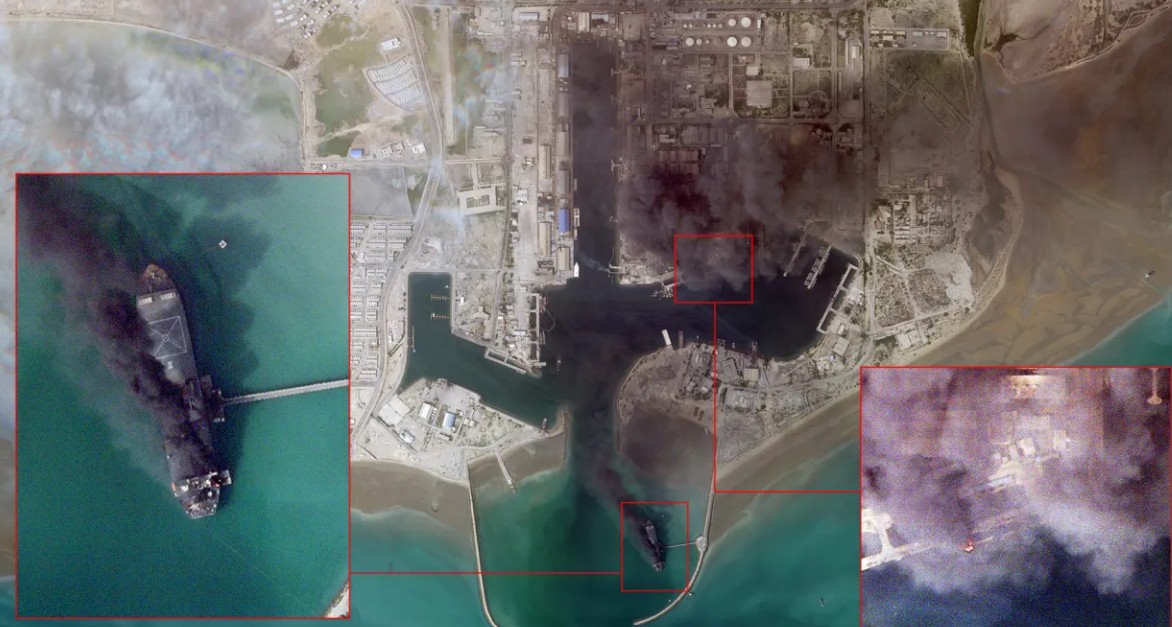
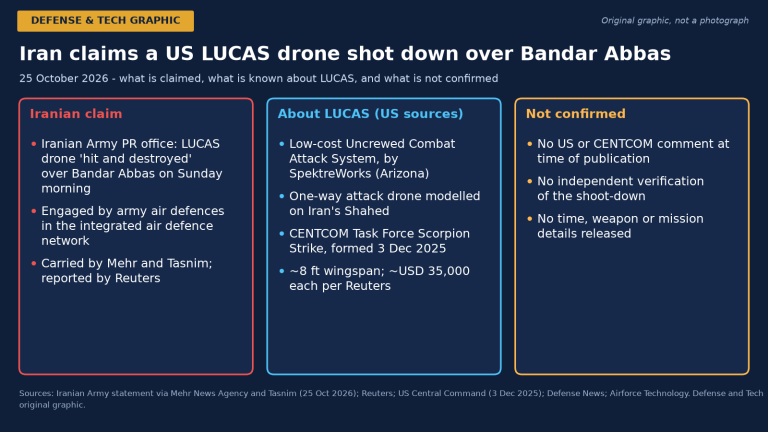
Following the interception of four kamikaze UAVs threatening commercial shipping, US Central Command (CENTCOM) launched a preemptive strike on a military drone facility in Bandar Abbas, southern Iran. The Islamic Revolutionary Guard Corps (IRGC) retaliated swiftly, targeting a regional US airbase. Shuttering the fragile April ceasefire, this high-intensity clash is already sending shockwaves through global energy markets and the Gulf’s security architecture. Beyond the kinetic strikes, what are the underlying strategic messages?
The Tactical Reality on the Ground
Based on the latest Open-Source Intelligence (OSINT) data and official statements, the chronology of the engagement unfolded with rapid escalation. Here is a breakdown of the tactical moves:
| Actor | Tactical Deployment | Military Target / Rationale |
| US (CENTCOM) | Interception of 4 UAVs & Direct Airstrike | Preemptive strike to protect commercial transit and neutralize the launch of a 5th UAV. |
| Iran (IRGC) | Ballistic Missile & UAV Salvo | A “decisive response” to US strikes, dictated by IRGC rules of engagement. |
| Kuwait | Air Defense System Activation | Interception of unidentified incoming missiles/UAVs violating sovereign airspace. |
While the Pentagon characterizes the operation as “strictly defensive and aimed at preserving the ceasefire,” Tehran has framed its retaliation as a “severe warning that enemy aggression will not go unanswered.”
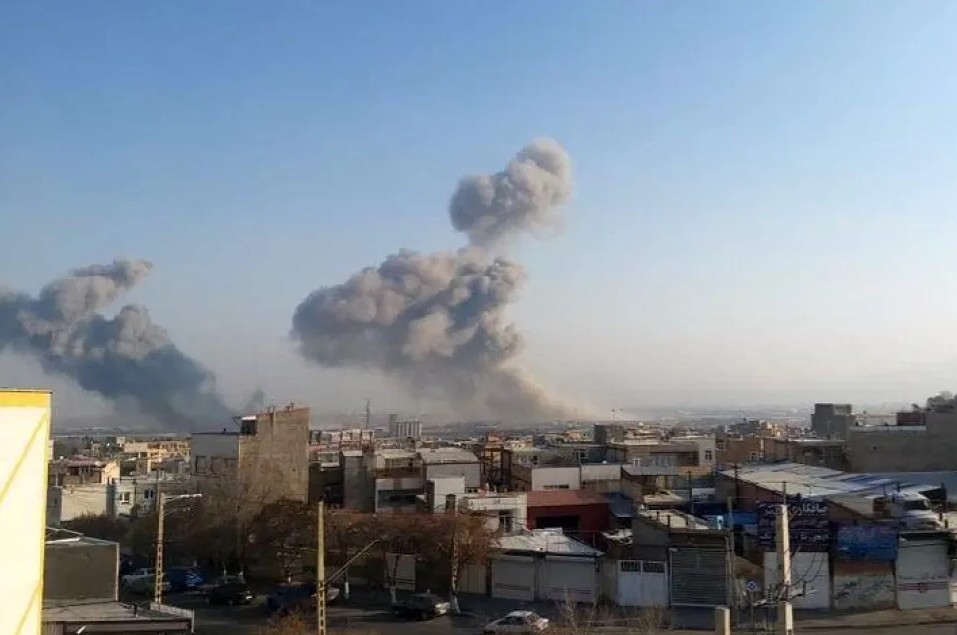
The Doctrinal Shift: What Changes on the Battlefield?
This incident is far more than a standard border skirmish; it is a direct stress test of power projection in the Persian Gulf. Moving beyond the raw data, three fundamental strategic shifts must be acknowledged:
1. The A2/AD Stranglehold on the Strait of Hormuz
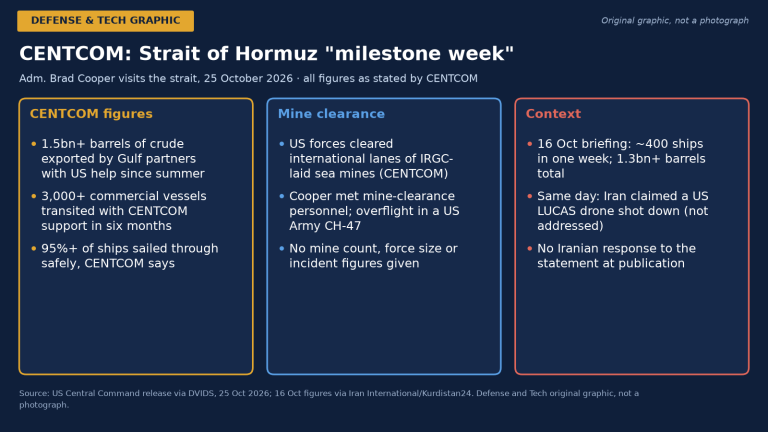
Iran continues to leverage the Strait of Hormuz not merely as a geographic chokepoint, but as an asymmetric Anti-Access/Area Denial (A2/AD) weapon. The imposition of “safe transit” extortion and localized blockades directly threatens one-fifth of global oil supplies. Consequently, following the initial strike reports, Brent crude prices experienced a rapid spike, surging to $96.15 per barrel.
2. Intelligence Signals and Kuwaiti Airspace
While Iran has not officially disclosed the exact location of the “regional US airbase” it claims to have targeted, the simultaneous activation of Kuwait’s air defense grid points heavily toward the Ali Al Salem or Ahmed Al Jaber airbases. Iran’s willingness to aim directly at US installations hosted by allied nations is a stark indicator that the geographic boundaries of this conflict could expand instantaneously.
3. Testing the Ceasefire Through “Coercive Diplomacy”
The ceasefire brokered by Pakistan in April is now effectively on the verge of collapse. The forceful rhetoric emanating from Washington—asserting that the “Strait of Hormuz will remain open to all”—combined with threatening postures toward Oman, signals that the US is pivoting away from diplomatic negotiation. Instead, Washington is reverting to a cycle of “coercive diplomacy” and aggressive military deterrence.