

Defense News UK: From ‘Skyhammer’ Interceptors to £900M Helicopter Deals – The Weekly Briefing



 React
React
LONDON – As global tensions escalate from the Persian Gulf to Eastern Europe, the UK Ministry of Defence (MoD) is rapidly accelerating its modernization programs and readiness protocols. This week in defense news UK, we have seen a flurry of activity ranging from counter-drone acquisitions and massive fleet maintenance contracts to intense domestic debates over the national defense budget.
Here is your executive summary of the five most critical defense developments in the United Kingdom for the week of April 16, 2026.
1. Countering the Swarm: The “Skyhammer” Deal
In a direct response to the proliferation of “Shahed-style” kamikaze drones in the Middle East and Ukraine, Defense Secretary John Healey announced a multi-million-pound contract with the British start-up Cambridge Aerospace. The MoD is fast-tracking the acquisition of the “Skyhammer” interceptor missiles. Boasting a 30-kilometer range and a top speed of 700 km/h, the first batch is slated for delivery in May. These interceptors will not only protect UK Armed Forces but are also earmarked to bolster the air defense networks of Gulf allies currently threatened by the Strait of Hormuz blockade.
2. £50 Million Push for Naval Autonomy in Plymouth
As asymmetric naval warfare reshapes maritime strategy, the MoD has unveiled a £50 million defense growth deal centered in Plymouth. The investment aims to expand the region’s “National Centre for Coastal Autonomy.” By fostering collaboration between defense giants like Thales, Babcock, and BAE Systems alongside innovative start-ups, the UK intends to rapidly scale its production of Unmanned Surface Vessels (USVs) and underwater drones, securing its position in next-generation maritime combat.
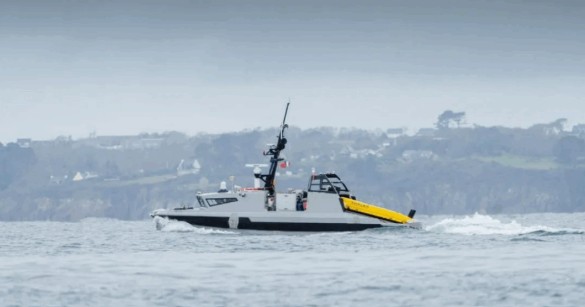
3. Royal Navy Core Support: Babcock Secures Two-Year Extension
Ensuring the operational readiness of the current fleet, Babcock International has officially extended its Future Maritime Support Programme (FMSP) contract with the MoD for another two years. This critical extension guarantees uninterrupted engineering, maintenance, and operational support for the Royal Navy’s Type 23 frigates, amphibious ships, and Sandown-class minehunters stationed at the Devonport and Rosyth dockyards.

4. £900 Million Lifeline for the Helicopter Fleet
To maintain a high state of operational readiness across all branches, the MoD signed a massive £900 million maintenance and sustainment agreement for the UK military helicopter fleet. Beyond keeping the rotary-wing assets “mission-ready” for global deployments, the deal serves as a significant industrial stimulus, supporting over 1,200 highly skilled defense manufacturing and engineering jobs across the United Kingdom.
5. The Political Battlefield: Budget Crisis Warnings
While procurement is moving fast, the political debate surrounding how to fund these programs is reaching a boiling point. The UK press has been dominated by warnings from a former NATO chief, who publicly accused Prime Minister Keir Starmer of “corrosive complacency” regarding defense spending. Simultaneously, the Conservative opposition has proposed radical measures—including cutting specific domestic welfare programs—to urgently inject more capital into the national defense budget. The debate highlights the stark reality of the 2026 threat landscape: modernization requires immense financial sacrifice.
Editor’s Note: This weekly briefing aggregates the most strategic defense developments in the UK. Stay tuned to Defense & Tech as we dive deeper into the technical specifications of the new Skyhammer interceptor in our upcoming tech analysis.
React