

Defense News: 2nd Generation Missile Systems
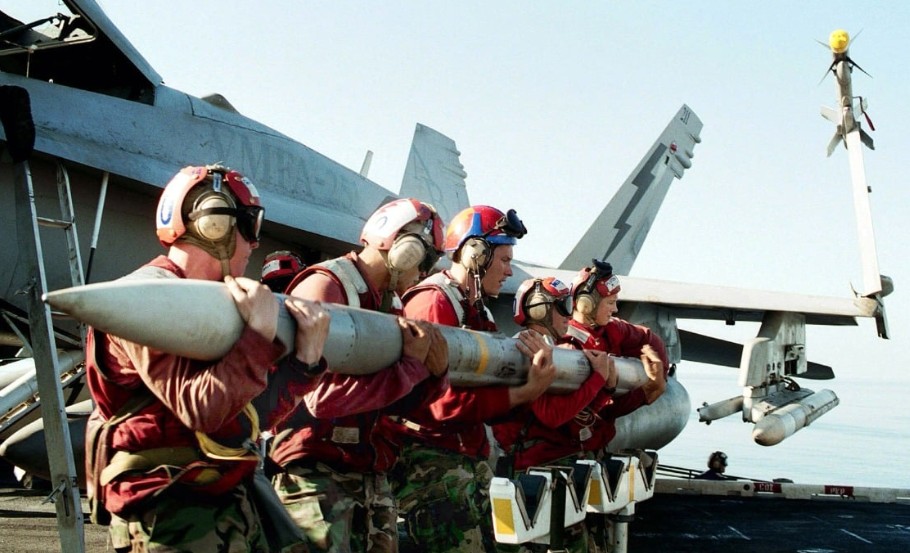
If you frequently read global defense news, you understand that technological superiority on the battlefield is often determined by accuracy. While 1st generation missiles introduced the concept of guided warfare, they were plagued by high failure rates and required operators to manually fly the weapon into the target using a joystick. The military industrial complex quickly realized that to make guided weapons truly effective, they needed to remove the human error from the actual flight of the missile.
This urgent tactical need birthed the 2nd generation missile systems—a monumental leap in military engineering that introduced computers into the guidance loop, drastically increasing lethality and reshaping Cold War doctrines.
The Technological Leap: Enter SACLOS and SARH
The defining characteristic of a 2nd generation missile is that the operator no longer flies the weapon; they simply aim at the target. The system’s internal tracking hardware handles the rest.
1. SACLOS (Semi-Automatic Command to Line of Sight)
This technology revolutionized ground combat, particularly for Anti-Tank Guided Missiles (ATGMs). In a 1st generation MCLOS system, the soldier had to watch the missile and steer it manually. In a 2nd generation SACLOS system, the operator only needs to keep the targeting crosshair directly on the enemy tank. A sensor on the firing post automatically tracks a flare or infrared beacon on the back of the missile. If the missile drifts off the crosshair’s path, the firing post’s computer instantly calculates the necessary course correction and sends commands to the missile via a trailing wire or radio link.
2. SARH (Semi-Active Radar Homing)
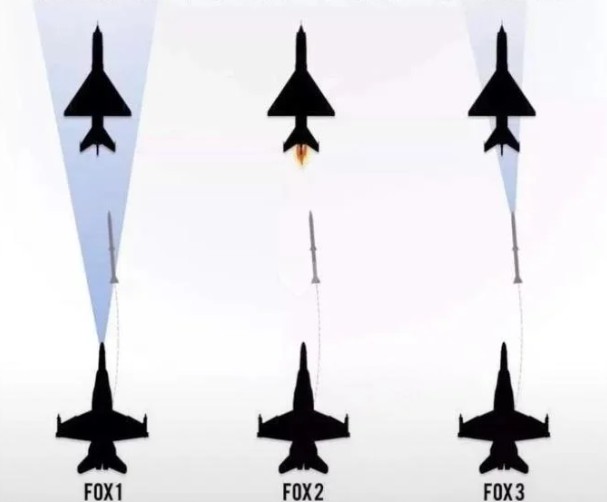
In the realm of aerial combat, 2nd generation systems introduced SARH for beyond-visual-range (BVR) engagements. Instead of relying on primitive, easily distracted heat seekers, a fighter jet would use its powerful nose radar to “paint” or illuminate the enemy aircraft. The missile, equipped with a passive radar receiver, would simply ride the reflected radar waves directly to the target.
Iconic 2nd Generation Systems
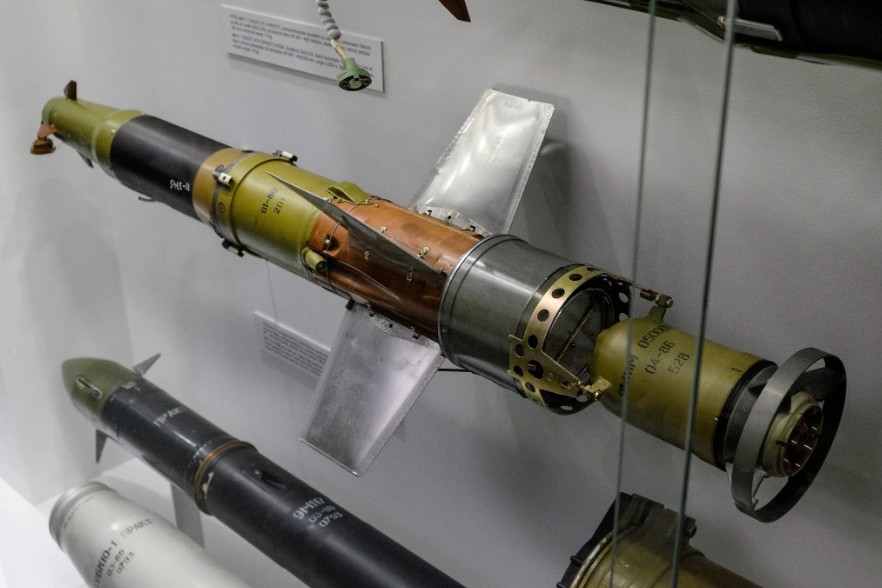
Several weapons developed during this era were so effective that heavily upgraded versions of them are still featured in today’s defense news and active combat zones.
BGM-71 TOW (USA): Perhaps the most famous 2nd generation ATGM in history. Introduced during the Vietnam War, the Tube-launched, Optically tracked, Wire-guided (TOW) missile utilized SACLOS technology to devastating effect. It allowed infantry and light vehicles to consistently destroy heavy armor at ranges exceeding 3,000 meters.
MILAN (France/West Germany): A highly portable European SACLOS anti-tank system that became the backbone of NATO infantry squads during the Cold War. It was significantly lighter than the TOW, providing massive firepower to mobile units.
AIM-7 Sparrow (USA): The quintessential 2nd generation air-to-air missile. Utilizing Semi-Active Radar Homing, it allowed American fighter pilots to engage Soviet-built MiGs from miles away, long before the enemy aircraft could be seen with the naked eye.
The Tactical Advantages and Remaining Vulnerabilities
The shift to 2nd generation technology provided a massive tactical advantage: hit probability. The Circular Error Probable (CEP) plummeted. If an operator could keep their crosshairs steady, a hit was almost mathematically guaranteed.
However, these systems still harbored a fatal flaw. They were not “fire-and-forget.”
A TOW operator had to remain perfectly still, staring through the optics until the missile impacted the target, making them highly vulnerable to suppressive artillery or sniper fire.
A fighter pilot firing a Sparrow missile had to fly straight at the enemy to keep them illuminated by radar, preventing the pilot from taking evasive maneuvers if the enemy fired back.
These critical vulnerabilities forced engineers back to the drawing board, paving the way for the autonomous, highly intelligent 3rd generation systems that dominate modern arsenals today.