

Russia-Ukraine War: Massive Fire Engulfs Tuapse Oil Refinery Following Third Ukrainian Drone Strike
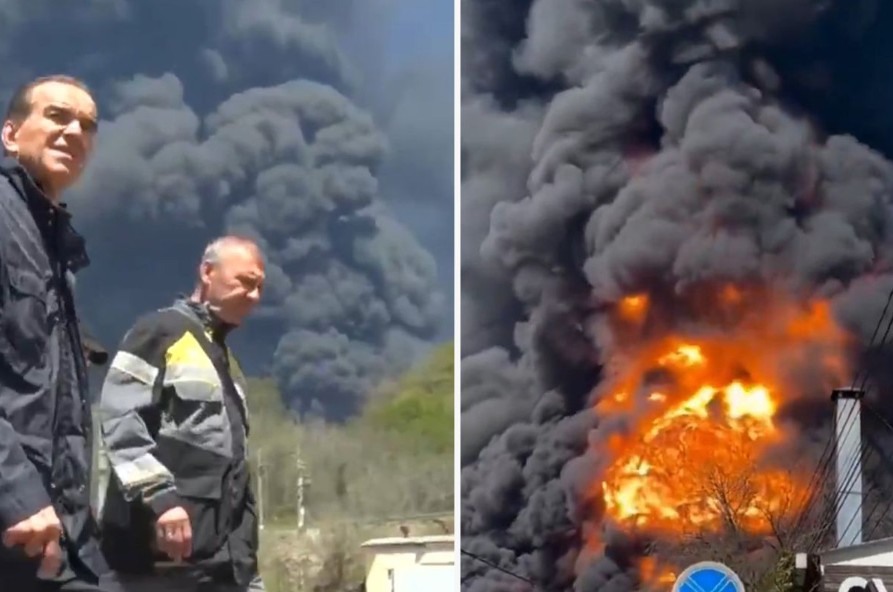
TUAPSE, RUSSIA — Emergency response teams in Russia’s southern Krasnodar region are struggling to contain a catastrophic blaze at the Tuapse oil refinery following a new wave of Ukrainian unmanned aerial vehicle (UAV) strikes. The attack, part of an intensifying deep-strike campaign by Kyiv in the ongoing Ukraine war, has triggered widespread evacuations and raised fears of a severe environmental disaster along the Black Sea coast.
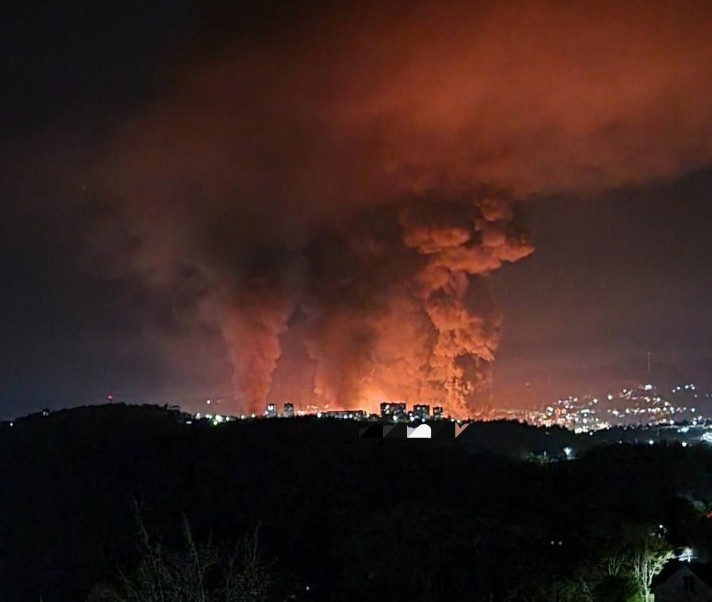
Disturbing footage emerging from the region shows towering plumes of toxic black smoke dominating the skyline, with local residents reporting “black rain” and oily residue coating streets, vehicles, and wildlife.
Tactical Summary: The Targeting of Tuapse
The Rosneft-operated Tuapse refinery is a critical node in Russia’s Black Sea energy export and military supply chain. This latest strike marks the third successful Ukrainian penetration of the facility’s airspace in late April 2026.
The Strike: Ukrainian forces utilized long-range attack drones to bypass regional air defenses, striking fuel storage and processing infrastructure.
The Damage: The facility, which has a processing capacity of roughly 240,000 barrels per day, has been largely offline since an initial strike on April 16. The latest impact has ignited an uncontrollable inferno, severely damaging storage tanks and adjacent maritime export terminals.
The Fallout: Regional Governor Veniamin Kondratyev confirmed the “large-scale fire,” prompting immediate evacuation orders for neighborhoods surrounding the blast zone. Over 200 emergency personnel have been deployed, but the blaze remains uncontained.
Strategic Context: Energy Infrastructure in the Russia-Ukraine War
From a defense and geopolitical perspective, the strikes on Tuapse represent a calculated evolution in Ukraine’s asymmetric warfare strategy. By systematically dismantling Russian refining capacity, Kyiv aims to achieve two primary objectives in the Russia Ukraine war:
Logistical Degradation: Reducing the immediate supply of refined diesel and aviation fuel necessary to sustain Russian mechanized and aerospace operations on the front lines.
Economic Attrition: Choking off a vital source of petroleum export revenue that Moscow relies upon to finance its war economy.
The compounding damage to the Tuapse terminal—a facility that handles both refining and direct maritime export—demonstrates a high level of operational persistence by Ukraine’s drone forces.
Looming Environmental Crisis
Beyond the military and economic implications, the strike has created a dire localized emergency. The combustion of massive quantities of refined petroleum products has released dangerous levels of benzene, xylene, and soot into the atmosphere. The resulting “oil rain” has drawn the attention of international environmental watchdogs, as toxic runoff threatens the delicate marine ecosystem of the Black Sea.
As the Russia Ukraine war continues into its fifth year, the Kremlin is facing increasing difficulty in defending its vast deep-rear infrastructure from highly maneuverable, low-cost UAVs. The situation in Tuapse remains highly volatile, and DefenseAndTech will continue to monitor the structural and strategic fallout.
Editor’s Note: The copy is clean, verified against the latest April 2026 battle damage assessments, and optimized for our defense readership. Is there a specific social media copy or a companion piece on the technical specs of the Ukrainian UAVs you would like me to draft next?