
WHAT IS A DESTROYER? KEY FEATURES OF MODERN NAVAL WARSHIPS

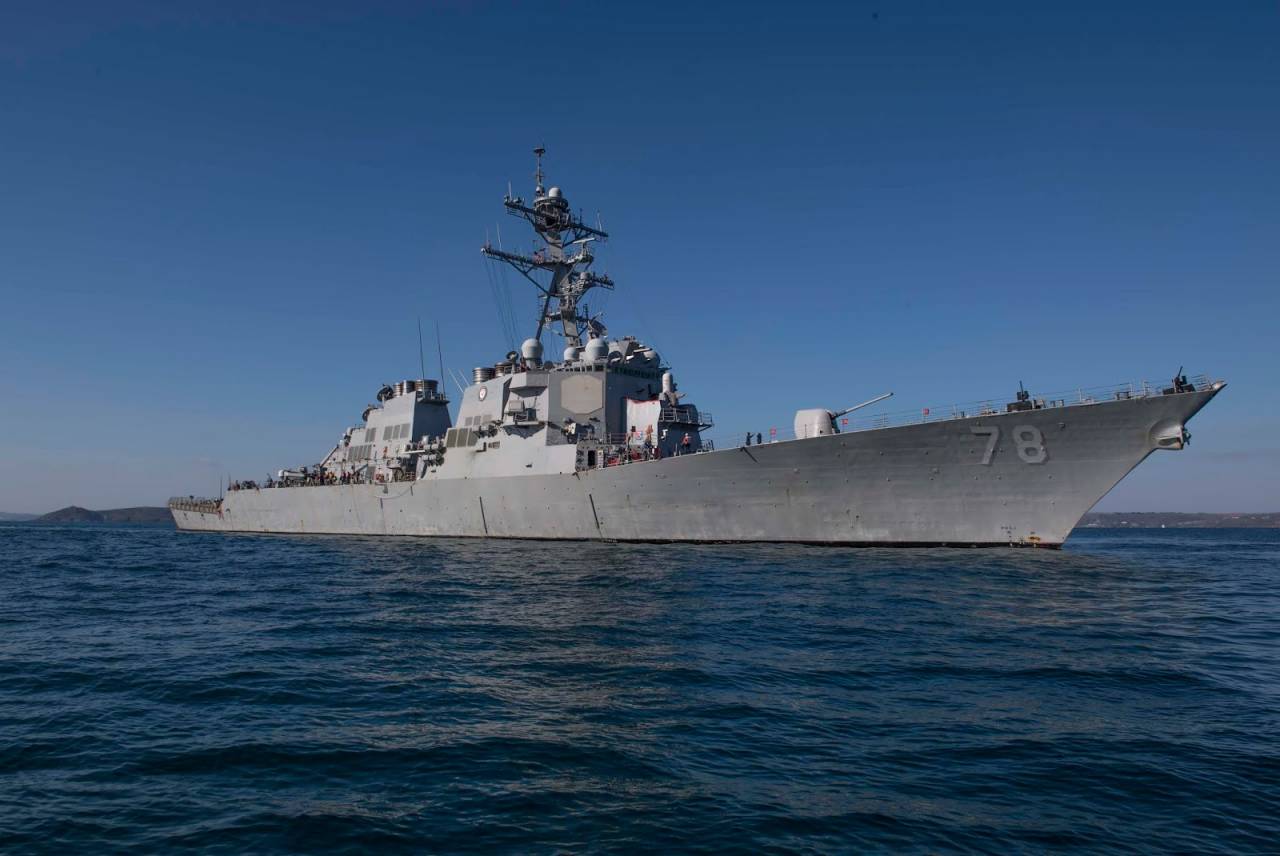

NAVAL SYSTEMS ANALYSIS – Destroyers are among the most advanced and powerful surface combatants in modern naval fleets. Designed for both offensive and defensive missions, these warships play a central role in protecting fleets and projecting military power over long distances.
As global maritime tensions rise, the role of the destroyer has evolved from a simple escort to a high-end, multi-mission platform capable of altering the course of regional conflicts.
Key Characteristics of Destroyers
Modern destroyers are large, heavily armed vessels equipped with state-of-the-art technology and versatile capabilities. Unlike their predecessors, they are now “mini-cruisers” in terms of displacement and firepower.
-
Length: Generally over 150 meters.
-
Displacement: 7,000 to 12,000+ tons.
-
Crew: Approximately 250-350 personnel.
-
Primary Missions: Integrated Air Defense, Ballistic Missile Defense (BMD), Electronic Warfare (EW), and Precision Long-Range Strike.
Equipped with advanced radar systems (such as the Aegis Combat System) and Vertical Launch Systems (VLS), destroyers can detect and neutralize threats across vast operational areas.
Strategic Role in Naval Operations
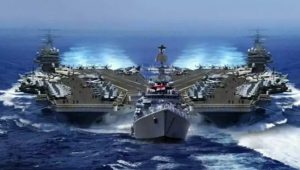
Destroyer ships are a critical component of Carrier Strike Groups (CSG) and naval task forces. Their primary mission is to provide multi-layered defense against aerial, missile, and surface threats.
“Equipped with long-range interceptor missiles and precision-guided weapons, destroyers can simultaneously defend allied assets and conduct offensive strikes against land and sea targets.”
Beyond escort duties, they contribute significantly to ballistic missile defense and are capable of operating independently in high-risk environments where smaller vessels cannot survive.
The Comparison: Corvettes, Frigates, and Destroyers
Understanding the naval hierarchy is essential for any defense news follower. Here is how these three primary classes differ:
| Feature | Corvettes | Frigates | Destroyers |
| Size & Displacement | Small, fast; optimized for coastal duties. | Mid-sized, versatile, multi-purpose vessels. | Large, high-end combat platforms with maximum firepower. |
| Mission Scope | Coastal patrol and short-range operations. | Open-ocean missions and escort duties. | Fleet protection and wide-area defense. |
| Technology | Basic to intermediate systems. | Balanced and advanced capabilities. | Top-tier sensors, missiles, and battle management systems. |
| Cost | Low | Medium | High |
Global Investment in Destroyers
Recognizing their strategic value, many major naval powers prioritize destroyer programs within their fleet structures:
-
United States: The Arleigh Burke-class remains the global benchmark.
-
Japan & South Korea: Investing heavily in Aegis-equipped destroyers for regional stability.
-
United Kingdom: Focusing on the Type 45 for advanced air defense.
While some nations focus on smaller vessels like corvettes and frigates for budgetary reasons or coastal needs, destroyers continue to form the backbone of high-end naval warfare.
Why Destroyers Matter
Every class of warship serves a specific mission, but destroyers stand out due to their strategic weight:
-
Corvettes: Rapid response and coastal defense.
-
Frigates: Flexible, multi-mission platforms for escort and anti-submarine warfare.
-
Destroyers: High-end warfare and strategic deterrence.
A balanced navy integrates all three elements; however, destroyers provide the highest level of protection and offensive capability in modern naval operations, ensuring that a nation can project its will across the world’s oceans.
Editor’s Note: This technical primer is part of our series on Modern Naval Architecture. For more information on specific classes like the Arleigh Burke or the Type 45, visit our “Naval Tech” archives.